Accident Interviews Show Pilots Lose Control Diving for the Runway After Breaking Out at Precision-Approach Minimums
Why It MattersThe accident pattern suggests low-visibility landings are lost less to missing skill than to habits trained in good-weather practice, so approach training and stabilized-approach definitions may need to reflect IMC minimums.
What happened
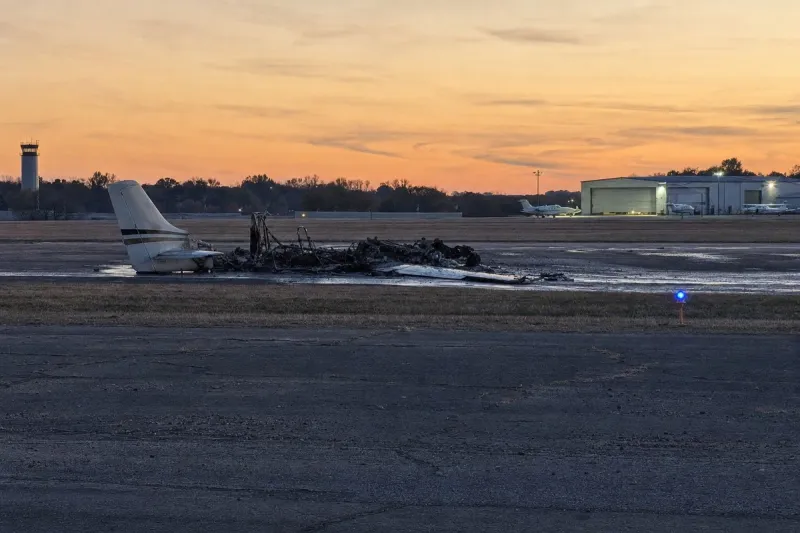
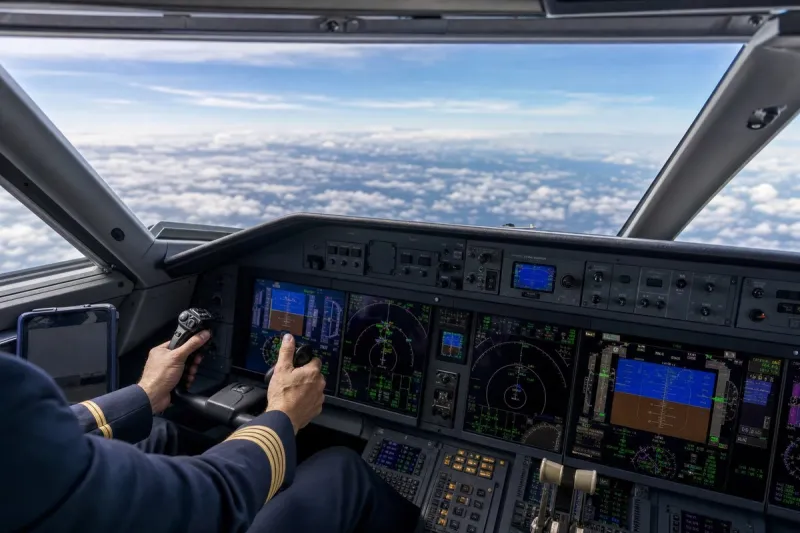
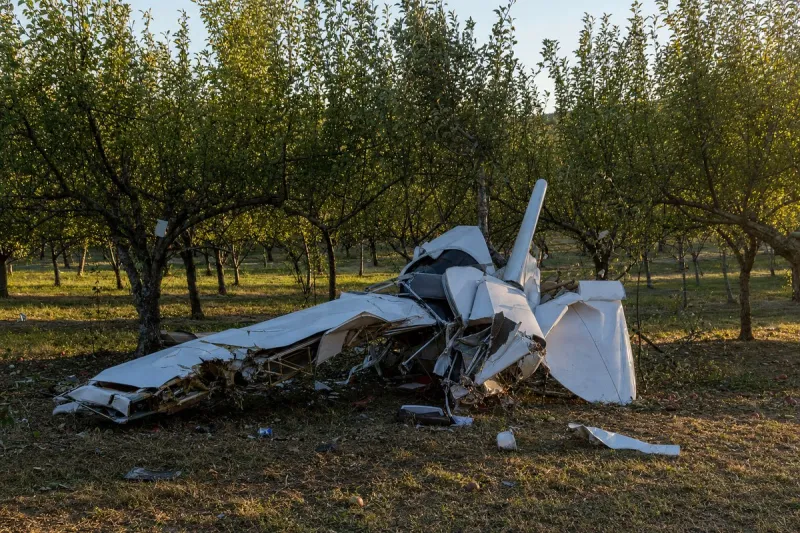
A column in the September issue (974) of FLYING magazine says some pilots have crashed into, or just short of, the approach lights after breaking out of cloud on a precision approach. In these cases the pilots threw the aircraft into a dive for the runway.

The author interviewed surviving pilots and found a common theme. They believed they had a good view of the runway, even with visibility as low as a half mile, and did what they normally did in practice once the instrument hood came off: they dove for the runway. The author says the lack of a horizon and the trim changes from power and configuration alteration contribute to the loss of control.
The column's hypothesis, drawn from discussions with other instructors, is that pilots fall back on how they practiced in good VFR conditions. That means pulling off the hood at decision altitude (DA), seeing a dry runway and a horizon, and making a power-off dive to a normal VFR landing near the threshold.
The author notes that flying an ILS at the normal landing approach speed of 1.3 V SO in a piston single would be impractically slow. ILS approach speeds for prop-driven airplanes are generally 90 to 120 KIAS, he says. He adds that the usual stabilized-approach definition, requiring landing configuration and 1.3 V SO by 500 feet AGL, does not fit an IMC precision approach to minimums below 500 feet AGL.
He prefers the idea of 'getting the airplane collected' after breaking out, with the FAA stabilized-approach definition applying only from about 30 seconds from touchdown, or 50 feet up. His recommended technique is to change nothing when the runway first comes into view, since it takes several seconds to transition from instruments to visual references. The pilot keeps descending on the localizer and glide slope until over the approach end of the approach light array or about 150 feet AGL. Then the pilot reduces power smoothly, makes any desired flap change, and trims to reach 1.3 V SO and landing configuration at 50 feet AGL. The column notes that being on glide slope, at 1.3 V SO and configured at 50 feet leaves at least 3,000 feet of runway.
Industry impact & what to watch
Instrument training habits are the central issue here. Practice approaches flown under a hood end with a pilot who sees a runway and a horizon at once and lands visually, so the maneuver a trainee rehearses most is a visual dive to the threshold. An actual breakout at minimums offers neither a horizon nor a settled aircraft, and the habit then works against the pilot.
The stabilized-approach debate follows from that. A single rule built around 500 feet AGL describes visual approaches well but sits awkwardly on precision approaches that end below that height. Training programs, flight reviews and operators' standard operating procedures that borrow the 500-foot gate for IMC work may be asking for something the approach geometry cannot deliver.
For flight instructors and operators of piston singles and light turboprops, the practical check is whether the transition after breakout is explicitly briefed and practiced, not left to instinct. The column's argument rests on instructor discussions and accident interviews, so how widely schools and operators adopt this staged transition is the next thing to follow.