Middle East FBO Operators Shift Focus from Lounges to Full Operational Service as Region Faces Airspace Disruption
Why It MattersWhere airspace shocks and hub competition coexist, FBO value shifts from premium terminal amenities toward measurable operational performance and network breadth, pushing investment toward capacity and staffing rather than showpiece lounges.
What happened
Business aviation in the Middle East has matured over the past decade, and expectations of fixed-base operators have changed. Tom Murphy, Managing Director, FBO Services at Gama Aviation, and Gökçehan Daçe, Managing Partner for the MENA region at GJM Aviation Group, described the shift. Murphy said clients now ask how efficiently a movement can be handled and what operational advantages one location offers over another, not simply whether it can be accommodated.
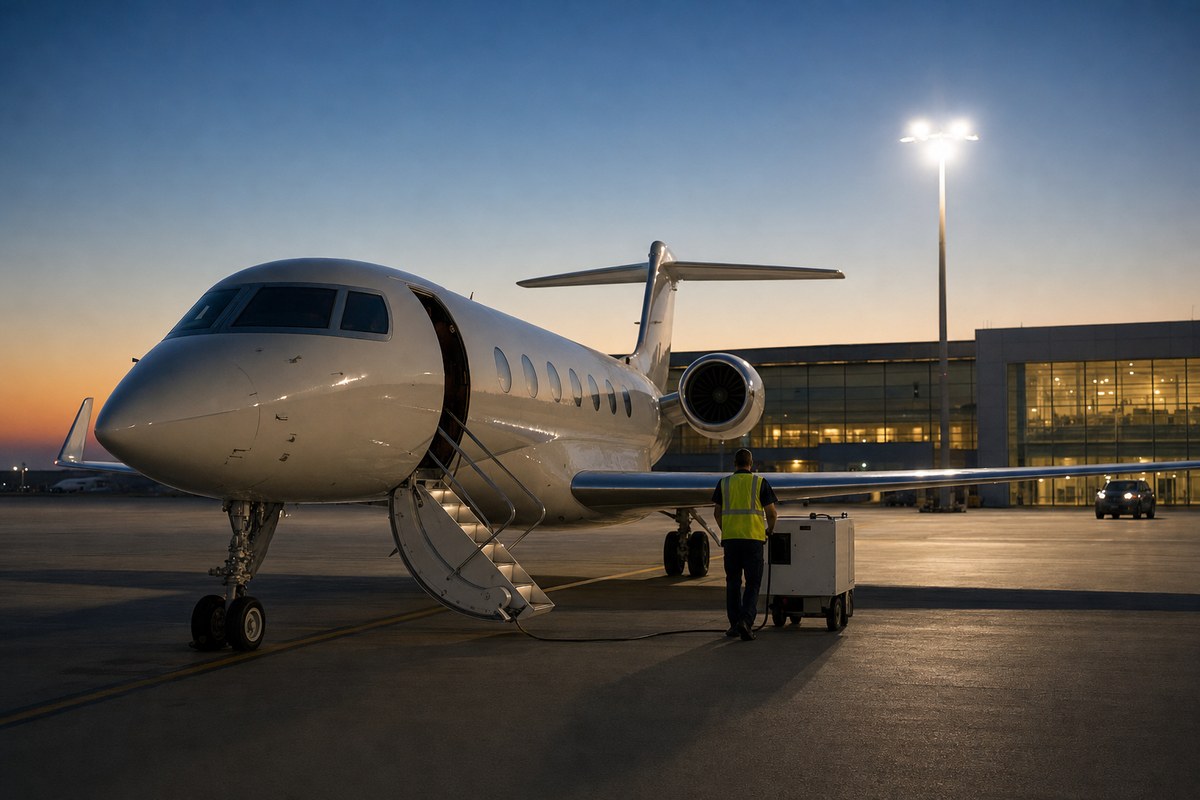
Operators look at the whole proposition: airport access, taxi times, parking and hangar capacity, and fuelling. Murphy said clients in the UAE are increasingly willing to consider different airports if there is a tangible operational benefit, weighing the total journey rather than the airport name. Daçe said competition is clearest in Dubai, where several major FBO brands compete between Dubai International Airport and Dubai World Central.
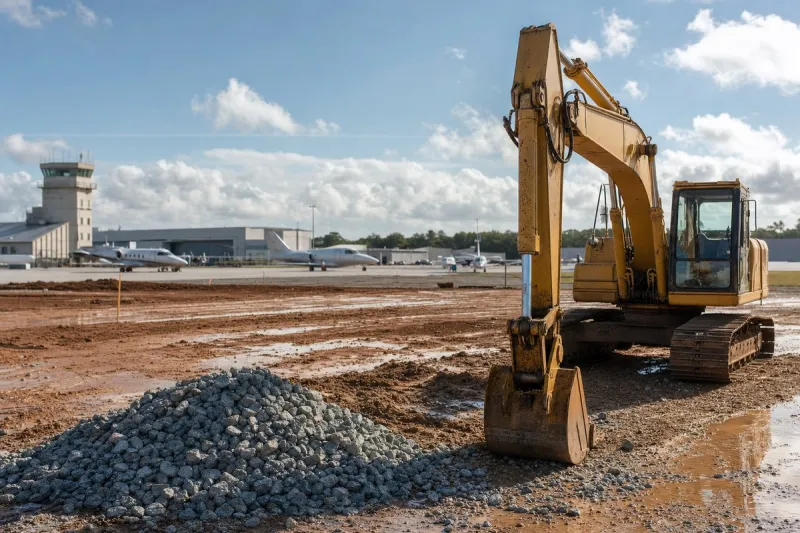
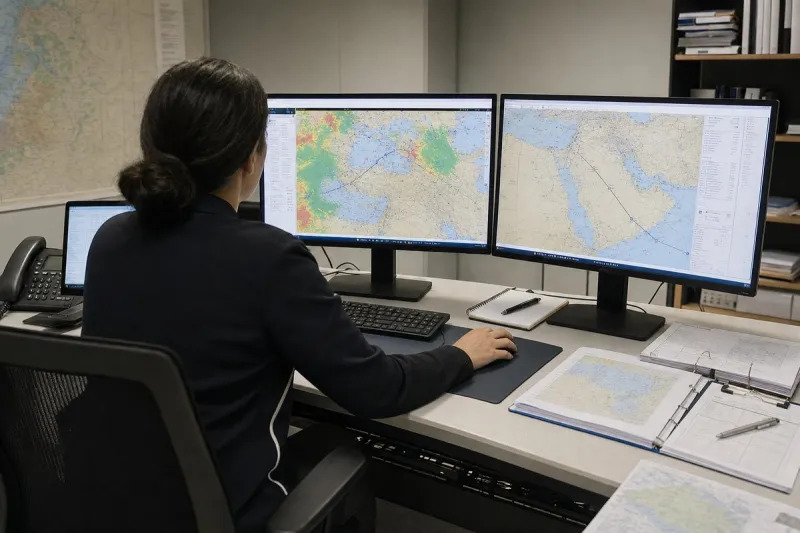
Daçe called 2026 a very unusual year. The Iran conflict that began at the end of February closed much of the Gulf's airspace within hours, and private traffic out of the region has not yet recovered. New infrastructure continues to open all the same: Universal Aviation opened a dedicated FBO and private aviation hangar at King Fahd International Airport in Dammam, Saudi Arabia, in September, and Jetex opened a new VIP facility at Istanbul Airport in May. Daçe said investors are working to a 10- or 20-year horizon and that facilities in Jeddah and Riyadh are due to follow the Dammam terminal.
Daçe said Saudi demand is both international and domestic, driven by Riyadh, Jeddah, the Eastern Province, AlUla and Vision 2030 projects. He also named Qatar, Bahrain and Oman as strong premium markets, and said Muscat became one of the main exits for private flights during the disruption.
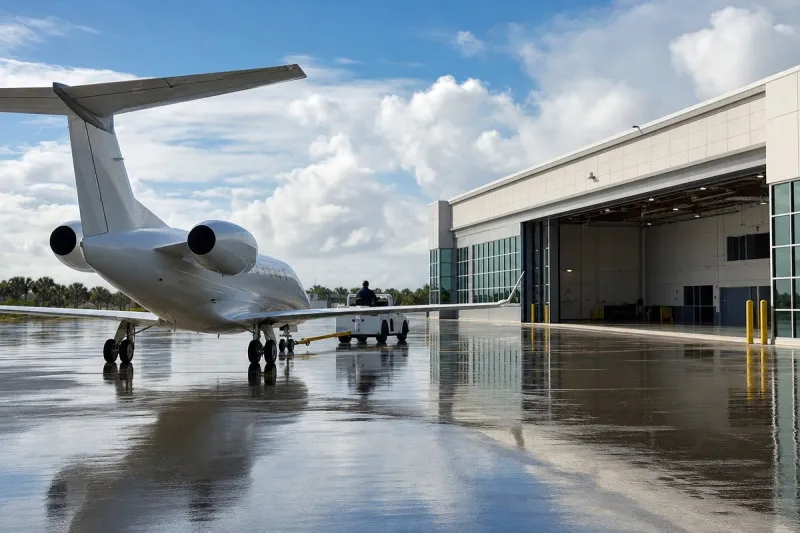
Both executives said privacy, discretion and flexibility are particularly emphasized in the region, and that the climate makes air-conditioned hangarage, ground power and cabin cooling operational requirements, with ramp temperatures above 45 degrees in July. Murphy said the real premium is time, privacy and control, and that experienced, empowered staff are increasingly what differentiates an FBO. Daçe said the region is moving from a map built around a couple of big hubs towards a network. On geopolitical volatility, Murphy said an FBO cannot control wider airspace.
Industry impact & what to watch
When clients compare airports by total journey time and ground handling quality, FBO competition moves away from lounge design and brand and toward things that can be measured: turnaround speed, hangar and parking availability, fuelling and ground power. Dubai, with several major brands split across two airports, is where that pressure shows first, and it is the market where a handler's operational record is most exposed to comparison.
The airspace closure and the exits through places like Muscat illustrate a second logic. Once a region's traffic depends on which gateways stay open, the value of an FBO footprint lies in how many usable points it covers, which fits the shift from a couple of big hubs towards a network. Building to a 10- or 20-year horizon lets investors look through a disruption whose traffic effects are still being felt.
The next concrete markers are the Jeddah and Riyadh facilities due to follow Dammam, and whether private traffic out of the Gulf recovers from the level it sits at now.