Personal Air Vehicles Market Forecast to Grow From $1.95 Billion in 2025 to $4.96 Billion by 2030
Why It MattersThe forecast shows the personal air vehicle segment's expected growth leaning on regulation, battery energy density and autonomous-flight certification, while defense groups and airframe makers already position through acquisitions and structural partnerships.
What happened
The Business Research Company says the personal air vehicles (PAVs) market grew from $1.95 billion in 2025 and is forecast to reach $2.36 billion in 2026, a compound annual growth rate (CAGR) of 21.0%. The market is projected to reach $4.96 billion by 2030, at a CAGR of 20.4%.
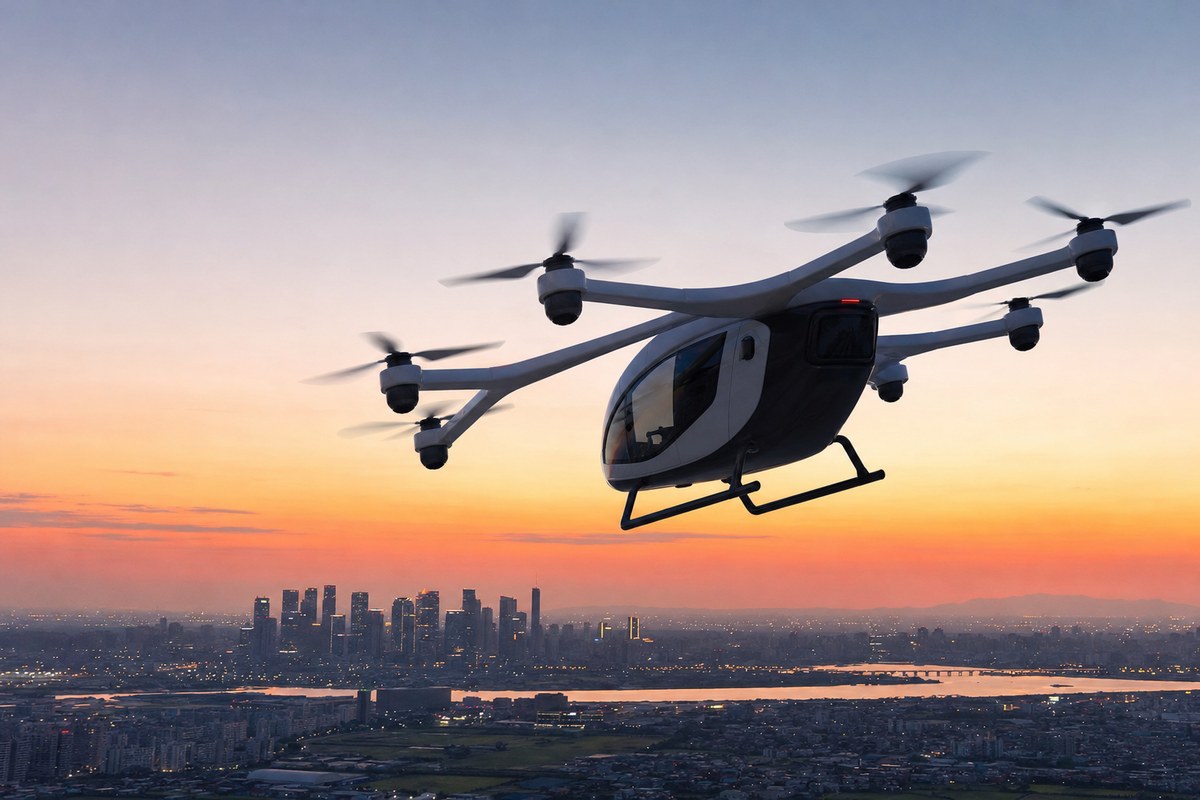
The report attributes early growth to lightweight-materials breakthroughs, early electric aircraft prototypes, urban transport congestion, dedicated aviation innovation funding and urban mobility pilot programs. Future growth is expected to come from regulations supporting advanced air mobility, better battery energy density, certification of autonomous flight, integration with smart city infrastructure and demand for sustainable transportation. Trends cited include eVTOL platform advances, expanded urban air mobility services, autonomous flight systems, and hybrid and hydrogen-powered aircraft.
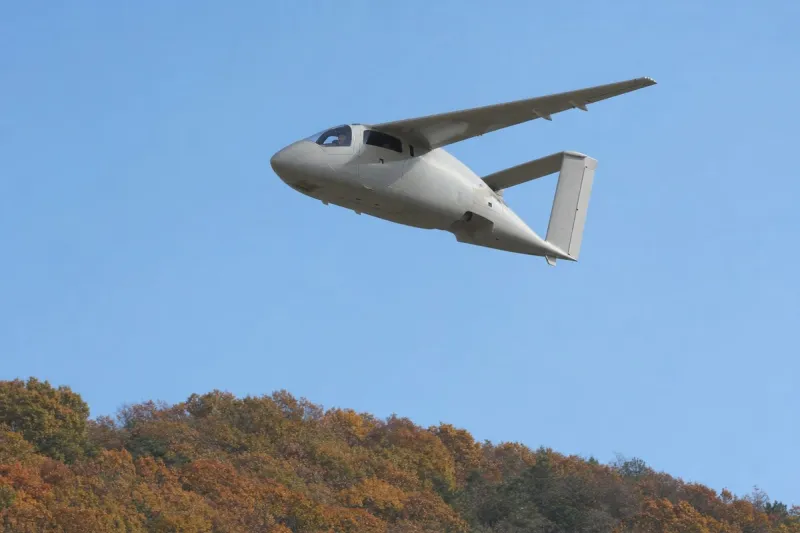
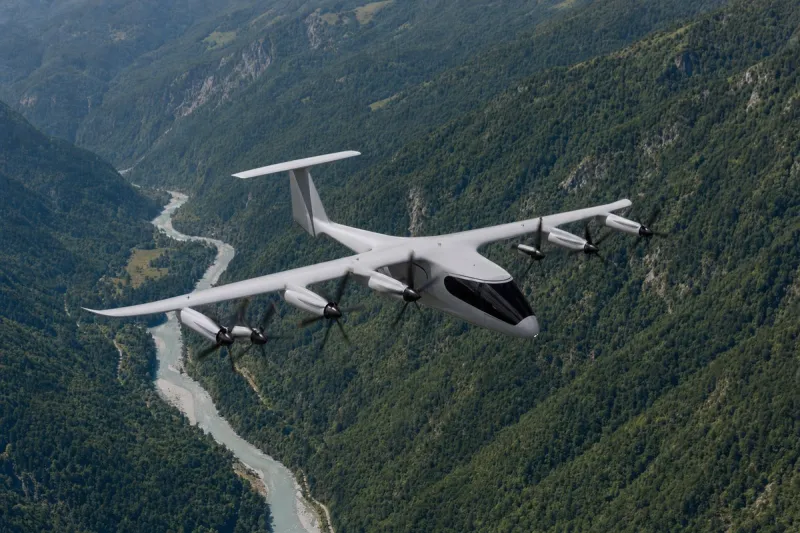
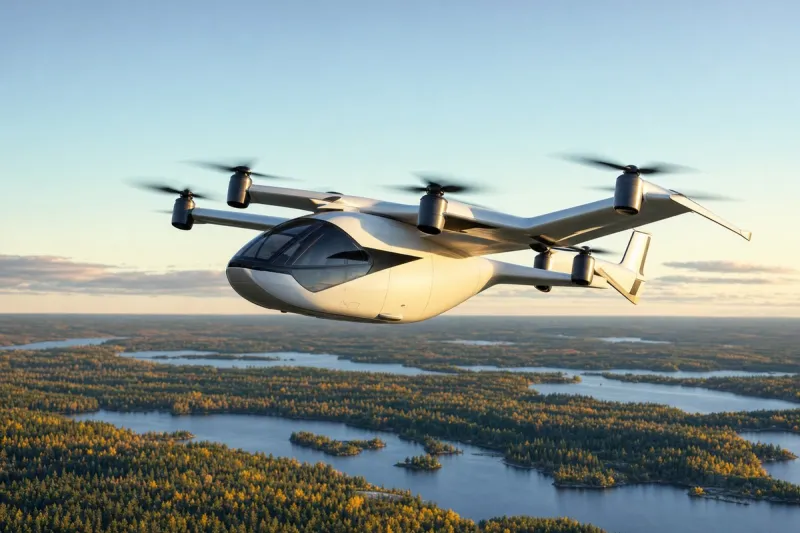
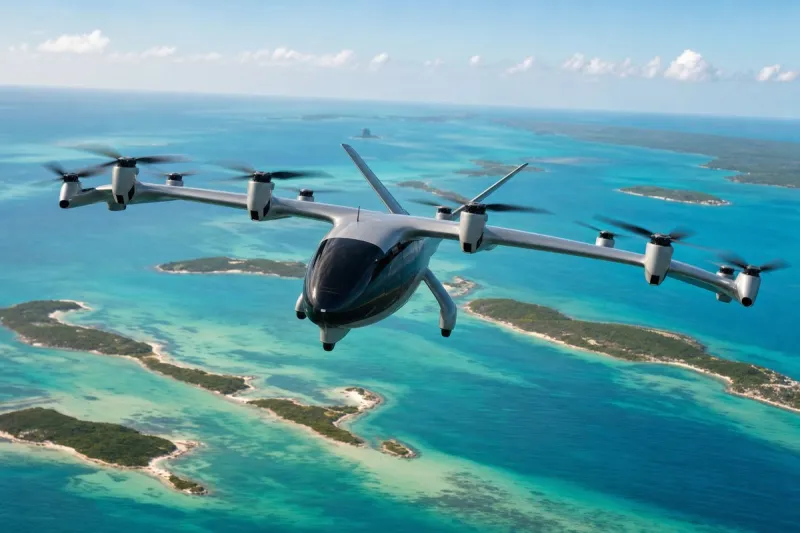
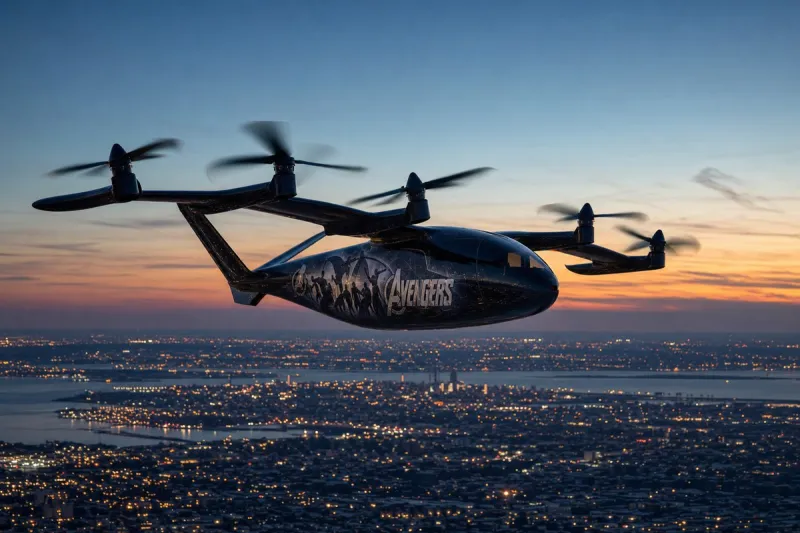
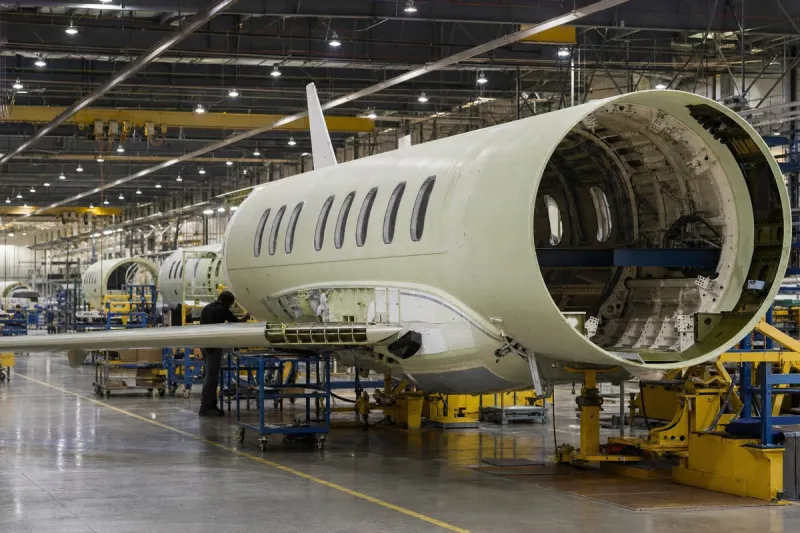
UK-based BAE Systems plc acquired Malloy Aeronautics Limited, a personal air vehicle specialist, to strengthen its unmanned aerial systems capabilities and broaden its portfolio in next-generation defense and advanced air mobility technologies. In June 2025, US-based aircraft manufacturer AIR entered a collaboration with German engineering firm EDAG Group to co-develop and produce the primary structure for the AIR ONE eVTOL aircraft, covering manned and unmanned variants. The structure uses a modular aluminum frame with folding wings and expanded cabin space.
The report segments the market by product type (eVTOL, hybrid-electric and hydrogen-powered aircraft), technology (autonomous, semi-autonomous, manual), distribution channel (direct sales, distributors, online platforms), application (urban air mobility, emergency services, recreational, other) and end-user (individual consumers, commercial operators, government agencies).
Industry impact & what to watch
Forecasts of this kind describe a segment whose growth depends less on demand than on gating items: regulation for advanced air mobility, battery energy density and certification of autonomous flight sit on the report's own list of future drivers. Until those are in place, headline growth rates remain projections rather than delivered aircraft.
The two deals the release cites show where capital is going. A defense prime buying a personal air vehicle specialist points to dual-use unmanned systems as one route into the segment, while the AIR and EDAG collaboration on a modular aluminum structure shows airframe production being split between an aircraft maker and an engineering partner. Manned and unmanned variants sharing a structure ties civil and government use together.
The segmentation also hints at who ultimately pays: individual consumers, commercial operators and government agencies are listed as separate end-users, and emergency services appear alongside urban air mobility and recreation. The next signals worth tracking are the certification milestones for autonomous flight and the advanced air mobility rules the report names as growth drivers.