Fly91 CEO Manoj Chacko: India Is a 'Turboprop Country' Needing 250+ Turboprops, With 800+ Viable City Pairs
Why It MattersRegional airlines' economics hinge on matching aircraft size to thin routes, and rising fuel costs sharpen the gap between turboprops and narrowbody jets on short sectors.
What happened
Manoj Chacko, Founder, Managing Director and CEO of Fly91, set out his approach to regional airline network planning in a fireside conversation with Willy Boulter, former Chief Commercial Officer of IndiGo, at the Aviation India and South Asia Summit held earlier in the month.

Chacko said Fly91 looks for city pairs with a driving distance of 8 to 12 hours, then overlays them with the number of luxury night buses and trains serving the route. Short-haul air travel on such pairs takes roughly 30 to 90 minutes. In his view, any city pair with more than 25 luxury buses or 10 trains running can support a 70-seater ATR at a profitable level. He estimated India has more than 800 such city pairs, adding that local culture, passenger profile and travel needs also matter.
On costs, Chacko said fuel-to-revenue at larger airlines stood at about 35 to 38 per cent before the West Asia conflict and has risen to about 50 per cent, a level at which direct operating costs cannot be recovered. Fly91's ratio has risen to about 30 to 32 per cent, he said. For a Goa–Pune flight, he said a Fly91 ATR burns about 650 kilograms of jet fuel to carry 72 or 74 passengers, while a Boeing 737 with about 189 seats burns about 2,400 kilograms.
Fly91 turns its aircraft around eight times a day, with some doing ten, against an Indian fleet average of about 6 to 6.5, Chacko said. Narrowbody aircraft from Airbus or Boeing make up 80 to 90 per cent of India's fleet capacity, but not all airports can accommodate them. He said that in 2012 India had fewer than 100 airfields, with narrowbodies serving about 61; the country now has 164 airports, heading toward 200, yet narrowbodies operate from only 72.
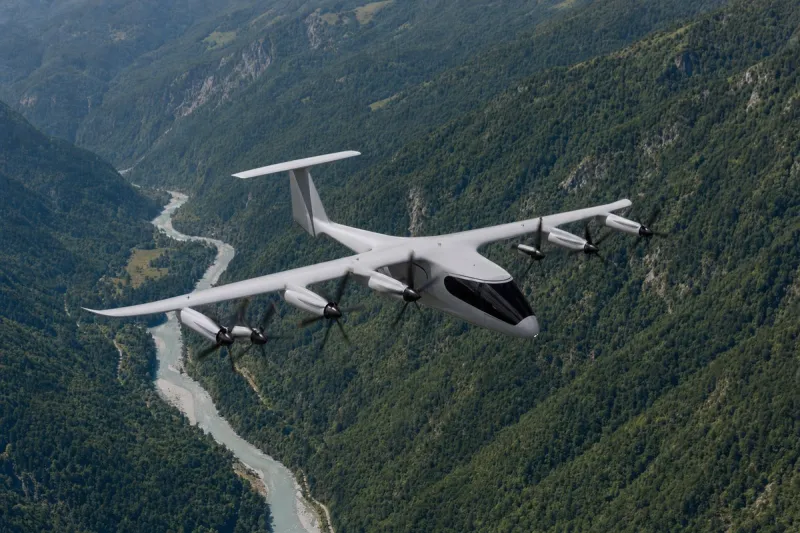
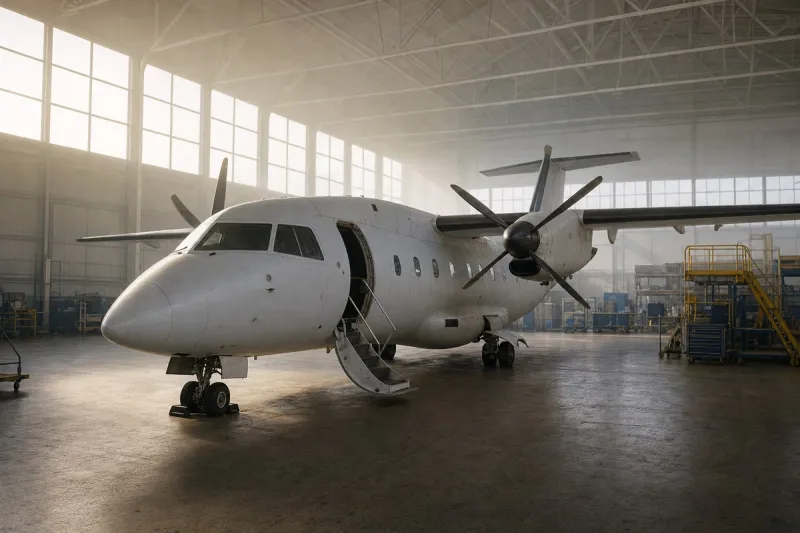
Chacko said India can absorb more than 250 turboprops and that many genuine turboprop sectors are currently flown by jets. Fly91 began flight services more than two years ago and operates a fleet of ATR 72-600 turboprop aircraft.
Industry impact & what to watch
Chacko's method reads demand from existing ground transport rather than from airline load factors: where the road and rail market already supports dozens of daily departures, a 70-seater can fill seats that a 189-seat narrowbody would struggle to. That logic holds whenever trip-cost differences between aircraft types matter more to a route than raw capacity, and the Goa–Pune fuel comparison he gave, 650 kilograms against 2,400, is the sort of gap that decides whether a thin route survives.
The fuel point also changes how regional and mainline carriers compare. When fuel climbs toward half of revenue, as Chacko described for larger airlines, the aircraft with the lower burn per trip gains an advantage on short sectors, and high daily utilisation spreads fixed costs over more departures. His eight-to-ten turns a day against a fleet average of 6 to 6.5 illustrates how much of the regional model rests on keeping aircraft flying rather than parked.
The airport figures set the ceiling on this segment. With narrowbodies reaching 72 of 164 airports and the network heading toward 200, the remaining fields are where turboprop supply, not jet capacity, determines whether a route exists at all. Whether the 250-aircraft estimate is converted into orders and routes will show up in how many new city pairs carriers actually launch.