737 NG Blended Winglets Reached Airlines as Retrofit Before Factory Production in 2001
Why It MattersThe winglet's path shows how an aftermarket supplier's design can become a de facto airline standard, with fuel economics driving fleet-wide retrofit demand that the manufacturer then folded into its production line.
What happened
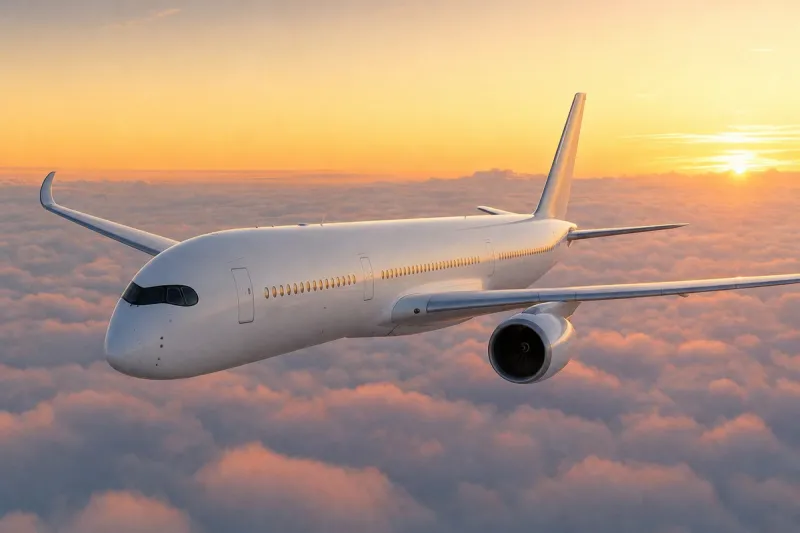
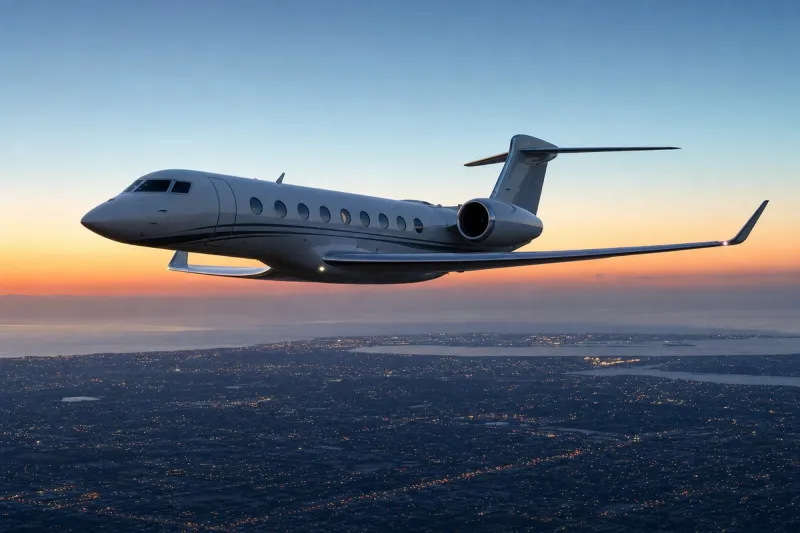
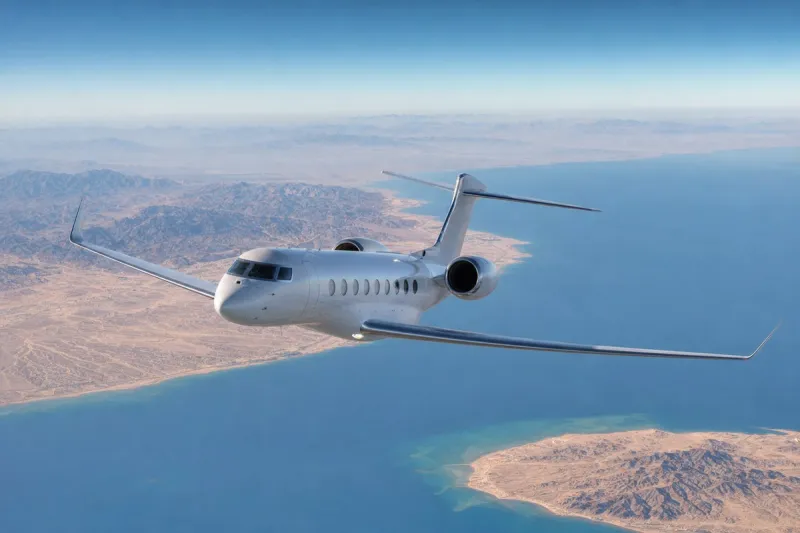
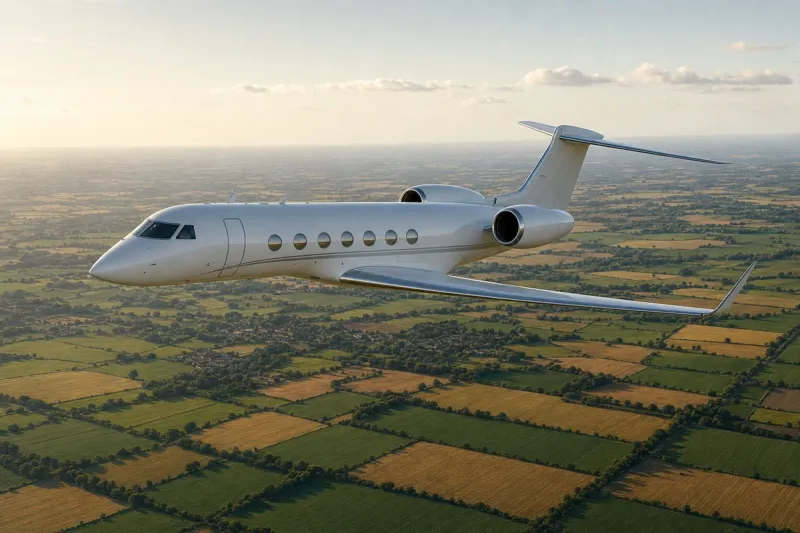
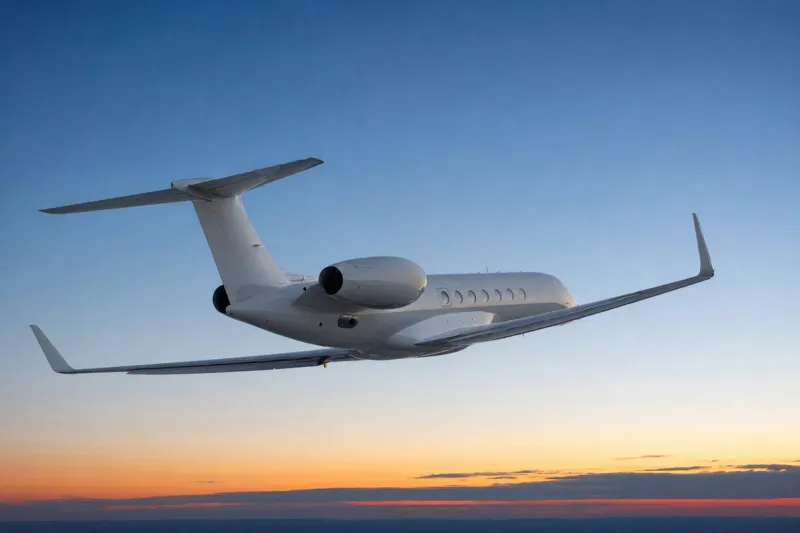
The blended winglet on the Boeing 737 Next Generation was developed by Aviation Partners, a Seattle-based company that created blended winglets in the early 1990s and first fitted them to the Gulfstream II. A 737-800 flew with winglets in June 1998 as a testbed for the Boeing Business Jet, and the first BBJ flight with winglets followed on February 22, 1999. Aviation Partners Boeing (APB) was formed that year as a joint venture to offer Blended Winglets for Boeing aircraft. Boeing said in 2000 that APB owns the design.
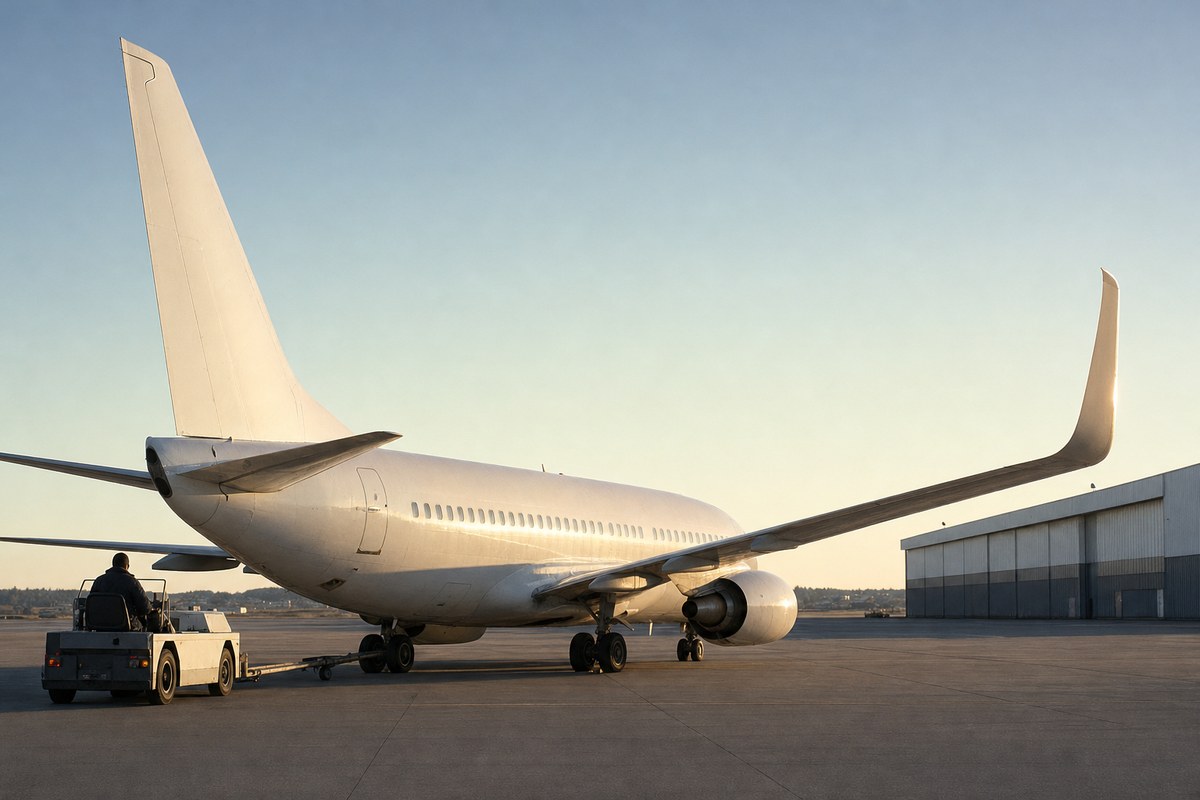
Boeing announced the winglet as a factory option for the 737-800 on February 18, 2000, with the 737-700C and 737-900 planned and the 737-600 and 737-700 under review. All subsequent 737-800s were to be built with structurally enhanced wings to ease later retrofits. APB received the Supplemental Type Certificate (STC) for 737-BBJ Blended Winglets on September 5, 2000. Hapag-Lloyd flew the first 737-800 with blended winglets on a test flight in Seattle on September 26, 2000, and became the first airline to operate a 737-800 with retrofit winglets.
At launch, Boeing said a winglet-equipped 737-800 could burn 3% to 5% less fuel, fly farther, or carry up to 6,000 pounds (about 2,720 kg) more payload. Each winglet weighs about 120 pounds (54 kg) and is eight feet (2.4 meters) long. The 737 Technical Site says the pair adds about 5 feet of span, from 112 feet 7 inches to 117 feet 2 inches, and gives a price of about $725,000 per set, with installation adding $25,000–80,000.
Retrofit approvals and orders
Retrofit approvals followed for other models: the 737-700 on August 27, 2001, the 737-300 on May 29, 2003, the 737-500 on May 24, 2007, and the 737-900 on October 10, 2007. Air Plus Comet became the first operator of a 737-300 with winglets in July 2003.
WestJet ordered up to 94 shipsets on June 2, 2003, and Southwest ordered 169 shipsets of 737-700 retrofit winglets 10 days later. On July 24, 2012, Southwest placed the largest single order in APB history, for 268 additional 737-700/-800 systems. APB reached its 500th shipset on October 16, 2004, and its 2,000th on December 6, 2007.
Split Scimitar and the 737 MAX winglet
The successor Split Scimitar program for the 737-800 was approved by APB's board on December 20, 2012, with United placing the launch order for 53 systems on January 14, 2013. The FAA granted approval on February 6, 2014, and the first revenue flight was on February 18, 2014, from Houston George Bush Intercontinental (IAH) to Los Angeles (LAX).
Unlike the blended winglet, it stayed mainly a retrofit, though it is standard on all new Boeing Business Jets. Boeing announced the Advanced Technology winglet for the 737 MAX on May 2, 2012, citing up to a 1.5% fuel-burn improvement over current winglets.
Industry impact & what to watch
The sequence here, a retrofit-capable STC arriving months after the factory option was announced, shows how the modification market and the production line can reinforce each other. A design owned by a joint venture could be sold to airlines already flying the type and supplied to the factory at once, so an operator did not have to wait for new deliveries to capture a fuel benefit.
The order pattern points to where the economics sat. Large single-fleet buys, such as Southwest's 169 shipsets in 2003 and 268 more in 2012, suggest fleet operators treated winglets as a fuel-cost lever worth applying across hundreds of airframes. For fractional and charter owners of business jets the same logic applies at smaller scale: a 3% to 5% burn reduction matters most on high-utilization aircraft.
The later history shows the same split between channels. The Split Scimitar stayed mainly a retrofit, while the 737 MAX winglet was announced as part of a new-build program. Which route a future wingtip device takes will depend on whether the airframe maker or the aftermarket owner holds the design.