Jet OUT Expands Co-Lease Programme With No Buy-In, From $10,400 a Month
Why It MattersPairing a no-capital lease with an ownership option on one aircraft type shows fractional-style programmes competing on how much cash a customer must commit, not on which aircraft they fly.
What happened
Milwaukee-based Jet OUT has expanded its co-lease programme so that customers can access private aviation through monthly payments, with no buy-in and no upfront capital. Pricing starts at $10,400 a month. The company has also introduced an Extended Zone that doubles the reach of its repositioning cost coverage.

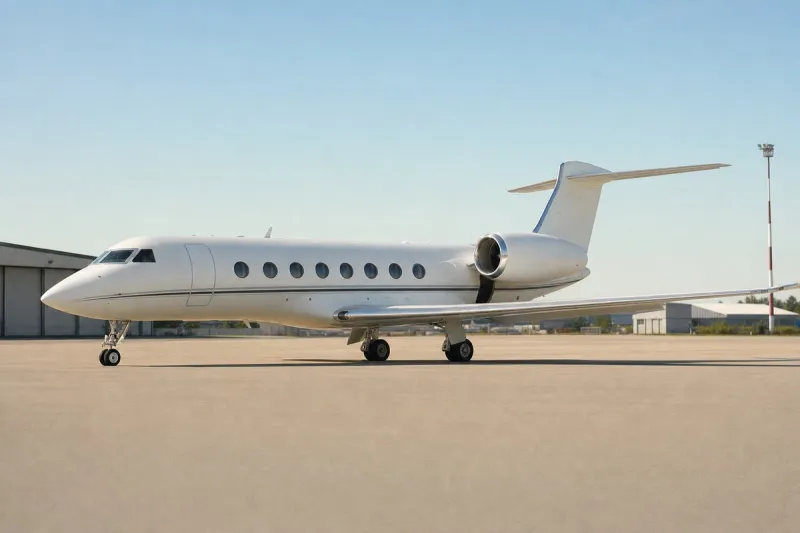
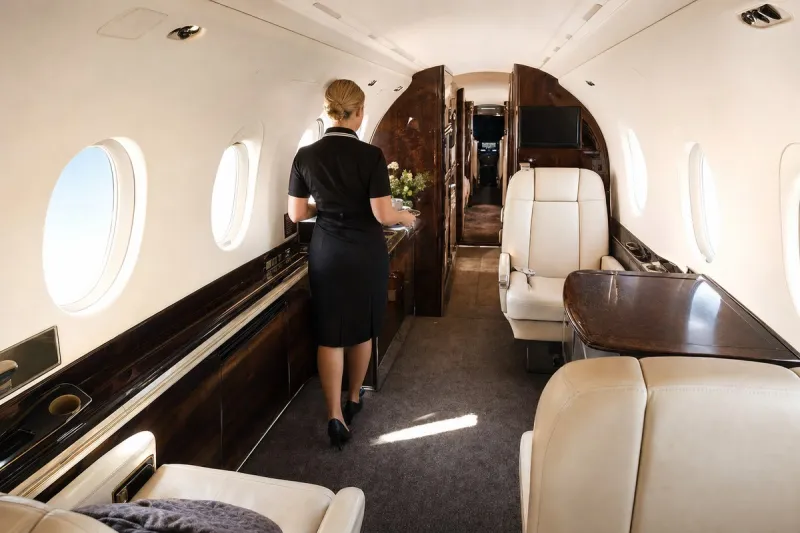
Owners can choose 10, 20, 30 or 40 travel days a year aboard Jet OUT's fleet of 15 factory-new Cessna Citation CJ4 Gen2 aircraft. Each monthly payment adds travel days to a "day bank", which lets members plan trips across the year.
Joe Crivello, CEO of Jet OUT, said: "Everyone who looks at a private aviation program is making a capital decision." Some buyers, he said, want that capital working in their own business. "We built a program for each, and every owner flies the same factory-new CJ4 Gen2s with the same crews," he said.
Co-Lease sits alongside Jet OUT's Co-Ownership programme, which offers a stake in the aircraft. Gordon Cameron, chief product officer of Jet OUT, said: "Growing our fleet allows us to serve more customers and reach more destinations from every base. The Extended Zone puts that growth to work for our customers, giving them greater access and more value from the Jet OUT network." Jet OUT was founded in 2018 and operates a single aircraft type under its FAA Part 135 certificate.
Industry impact & what to watch
The split between Co-Lease and Co-Ownership shows how access programmes now segment buyers by their relationship to capital. One group wants an asset stake; the other wants the same aircraft and crews without tying up funds. Offering both on a single fleet lets an operator serve each without running two product lines.
Running one aircraft type under one Part 135 certificate keeps the product consistent across both programmes. That is a different cost structure from mixed-fleet operators, which have to balance aircraft capability against price tier. A repositioning-cost zone is a useful comparison point for any programme, because it determines how far a day-bank flight can reach before extra charges apply.
The Extended Zone is where the programme's value will be tested. The company has described the zone as doubling the reach of repositioning cost coverage, so the practical question for any member is how that coverage maps onto the bases and destinations they actually use.