Billy Mitchell Airport on Hatteras Island Reopens After Three-Month Runway Rehabilitation
Why It MattersSmall non-towered airports on federal land depend on state aviation divisions to fund and manage capital work, so access for visiting pilots rests on that partnership rather than on the owner alone.
What happened
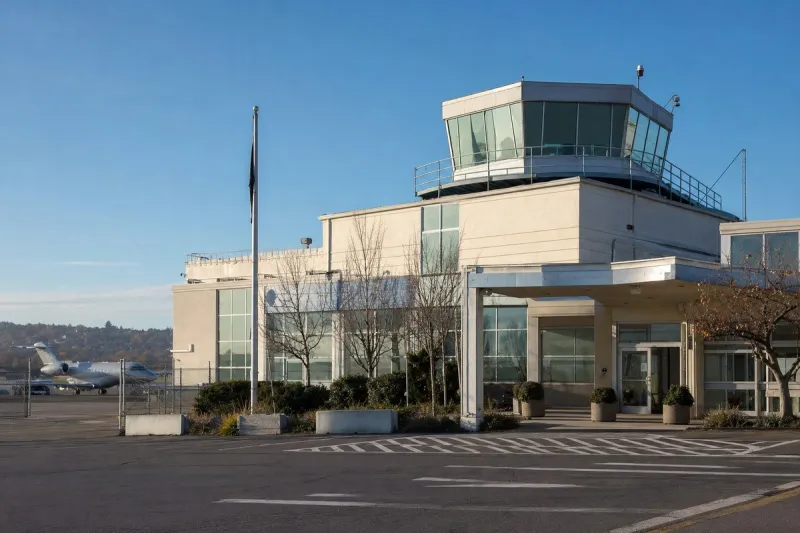
Billy Mitchell Airport on Hatteras Island, near Frisco, North Carolina, has reopened to air traffic after a three-month runway rehabilitation project. Crews resurfaced the airport's 3,000-foot runway along with its paved areas.
The work also covered upgraded tie-downs and anchors, and the construction of the airport's first concrete helipad. Cape Hatteras National Seashore owns and operates the non-towered airport, which also provides aircraft parking. The North Carolina Department of Transportation's Division of Aviation contracted and oversaw the rehabilitation and continues to support the field.
David Hallac, superintendent of National Parks of Eastern North Carolina, credited state transportation officials for the partnership. He said the project enhances visitor safety, modernizes operations and supports a better overall experience for pilots and passengers, and that the Seashore appreciates NCDOT's financial and project management support.
A closure of approximately two days will be needed in the coming weeks so crews can apply permanent runway markings. Seashore officials said they will notify aviators once the dates are finalized.
Industry impact & what to watch
Airports like this one sit in an unusual ownership position: the National Park Service operates the field, while the state aviation division arranges the contracting, oversight and a share of the funding. Capital projects at such fields tend to move when both agencies align, which makes the state division's role the practical gatekeeper for runway condition and, by extension, for whether visiting general aviation traffic can use the airfield.
A first concrete helipad and upgraded anchoring also widen what the airfield can handle. Concrete pads and secure tie-downs suit rotorcraft and parked aircraft in an exposed coastal setting, and they extend the airport's usefulness beyond fixed-wing arrivals. How much that changes actual traffic cannot be read from the project itself.
The next concrete milestone is the two-day closure for permanent runway markings. Pilots planning trips to Hatteras Island will need the dates the Seashore announces before the airport is fully finished.