Connecticut Air Traffic Control Facilities Staffed Below FAA Targets, Though Bradley Tower Is Fully Staffed
Why It MattersController shortages concentrate in radar facilities rather than towers, so airports with fully staffed towers can still face constrained approach and en-route capacity in the surrounding Northeast airspace.
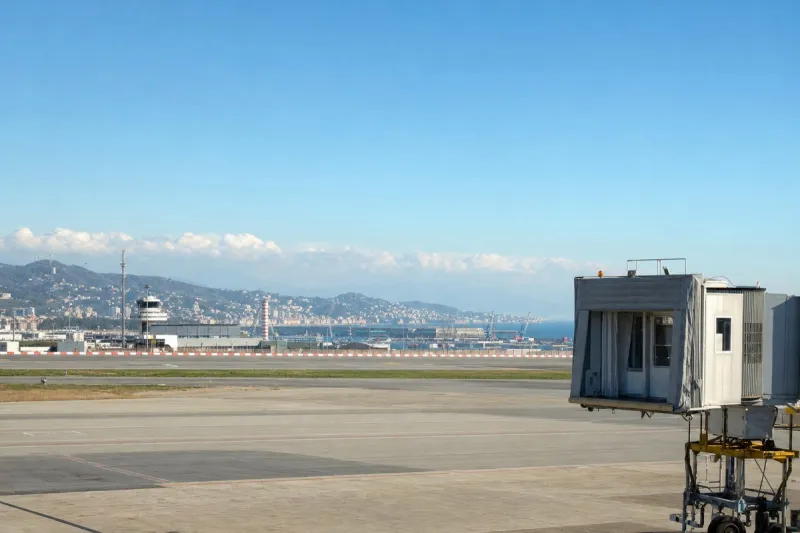
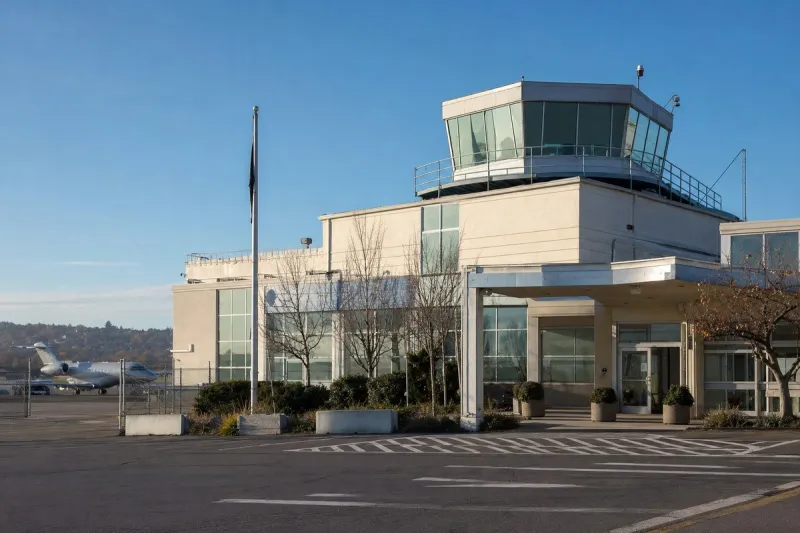
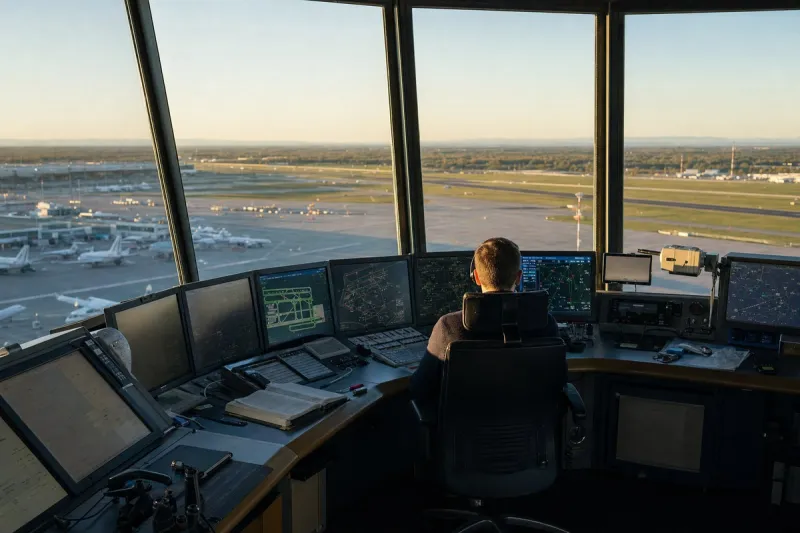
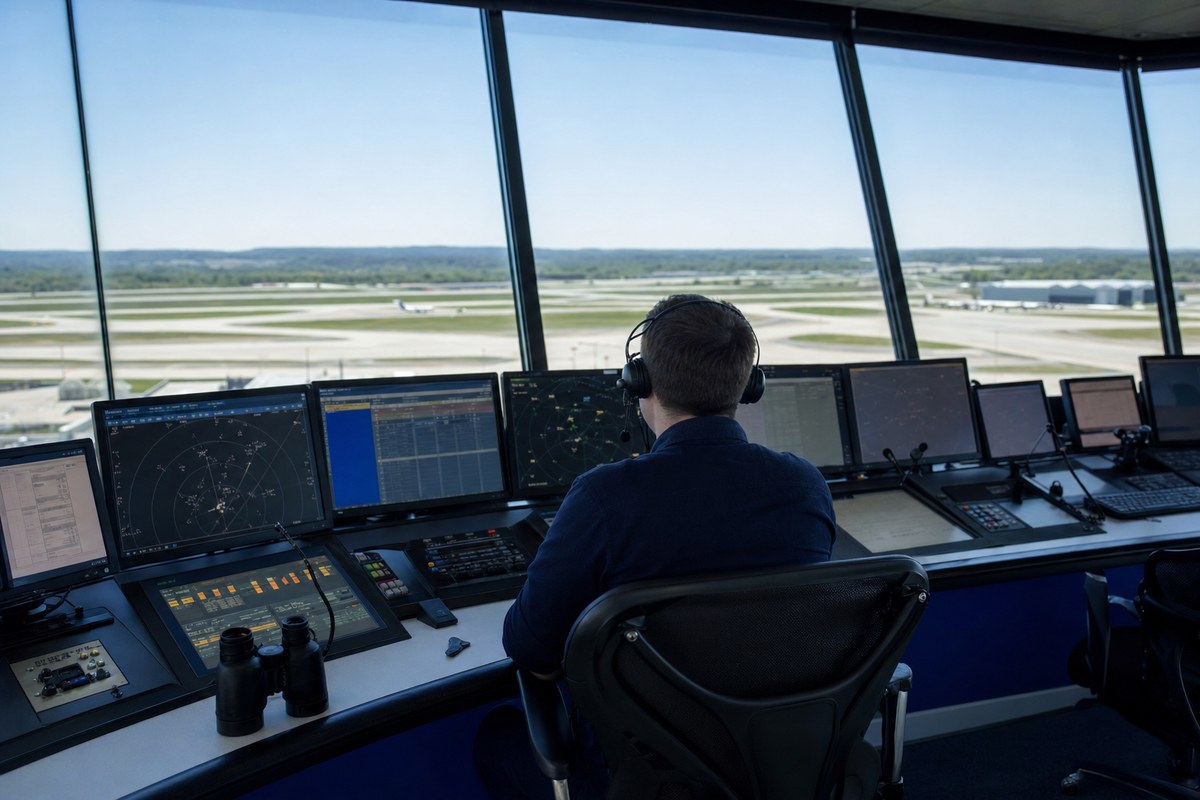
Air traffic controller staffing in Connecticut falls short of Federal Aviation Administration (FAA) targets at some facilities, according to an analysis by CT Insider. The tower at Bradley International Airport in Windsor Locks is fully staffed under the FAA's latest standards, but the busier radar facility, known as "Yankee TRACON" (Y90), is at about 76% of its target of 21 controllers. That is below the national average of roughly 85%; the most strained FAA facility in the U.S., Casper Tower in Wyoming, is at 41% of its target.
The percentages use targets the FAA published earlier this year, which are lower than those set in 2025 under an agreement with the controllers union. Under the older framework, the Yankee facility had a target of 26 controllers, which would put it at 62%. The FAA did not release current figures despite an email request and a public records request; the analysis used data from 123atc.com, which closely matched the FAA's own reports. An FAA spokesperson called the 76% figure "inaccurate" but would not release current numbers.
A New York air traffic radar center that directs traffic through Hartford airspace is at just 70% of its target, though it has more than 85 trainees. Shortages at facilities serving Boston and Providence also affect Connecticut air travel. Kevin Curtiss, a regional vice president of the National Air Traffic Controllers Association, said Y90 has had a staffing issue for over a decade. The Connecticut Airport Authority said Bradley operations are normal and that delays should be viewed in the context of the national system.
A National Academies report said delays caused by FAA staffing shortages grew rapidly from 2022 through 2024, resulting in more than 12,000 flight delays in 2024. A 2025 Government Accountability Office finding said repeated government shutdowns and the COVID-19 pandemic disrupted the controller training pipeline. The U.S. is short more than 1,000 controllers; the FAA previously cited a shortage of about 3,000 but now estimates 1,600 after lowering its hiring target.