Drone-Related Flight Restrictions Disrupt Russian Air Travel as About 60 Foreign Airlines Keep Serving the Country
Why It MattersDrone-driven airspace closures raise delay, crew and connection costs for foreign carriers, yet thin competition under Western sanctions keeps Russia routes profitable enough for operators to keep flying.
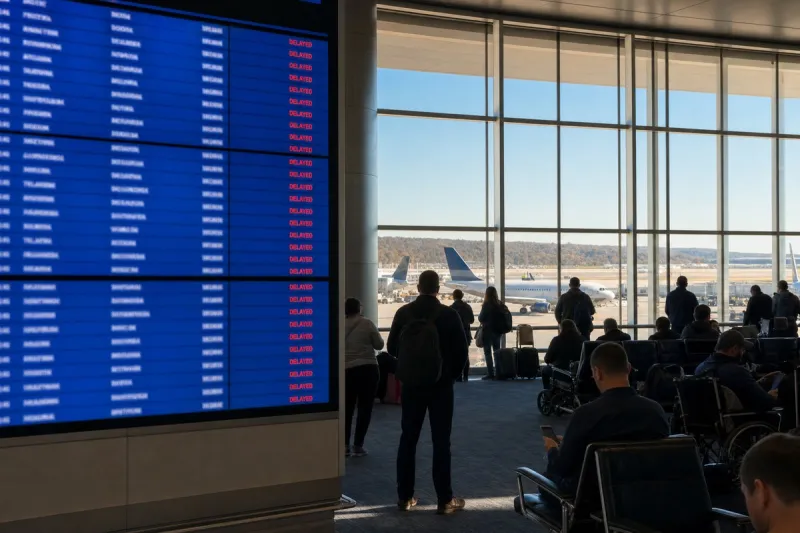
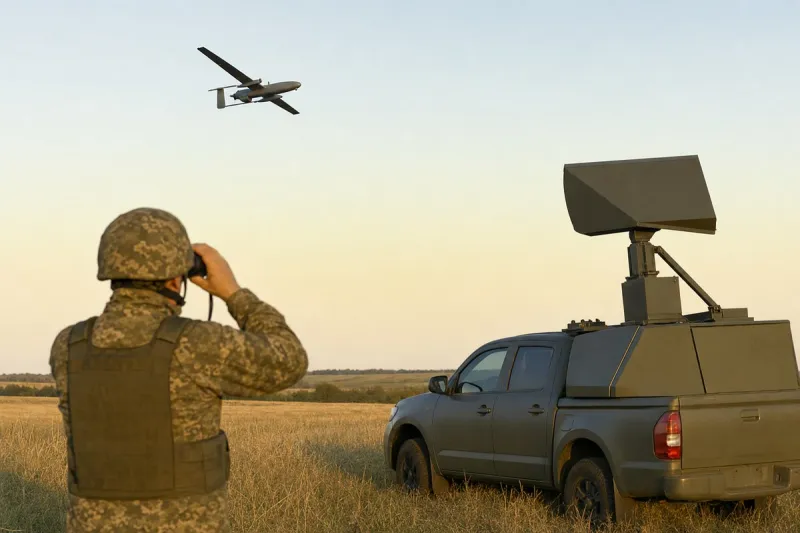
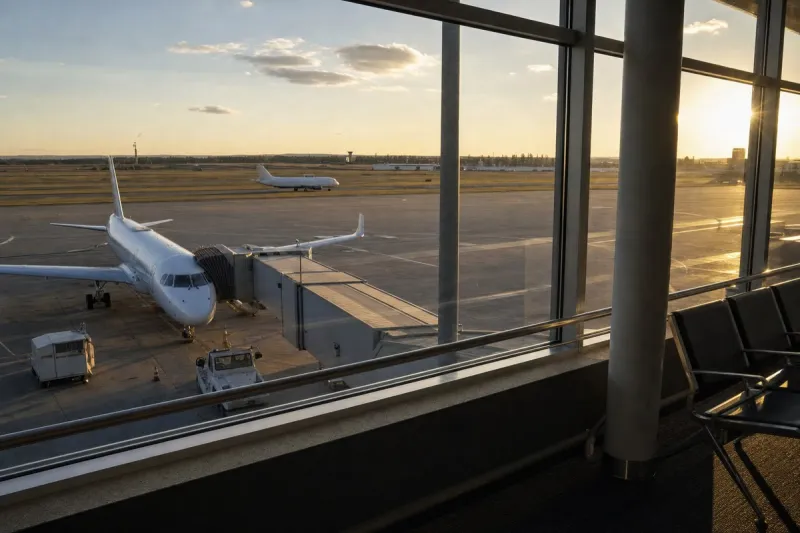
Repeated flight restrictions across Russia in recent weeks, a knock-on effect of Ukrainian aerial attacks and Russia's air defense response, have left passengers scrambling to make connections and airlines diverting aircraft and rearranging crew schedules, analysts and airline staff told The Moscow Times. The disruption affects the roughly 60 foreign airlines from 37 countries that still serve Russia. One passenger, who asked to be identified as Vasiliy, said his Air Serbia flight from Belgrade circled over Moscow several times and landed half an hour behind schedule after Sheremetyevo Airport temporarily restricted takeoffs and landings following Ukrainian drone threats.
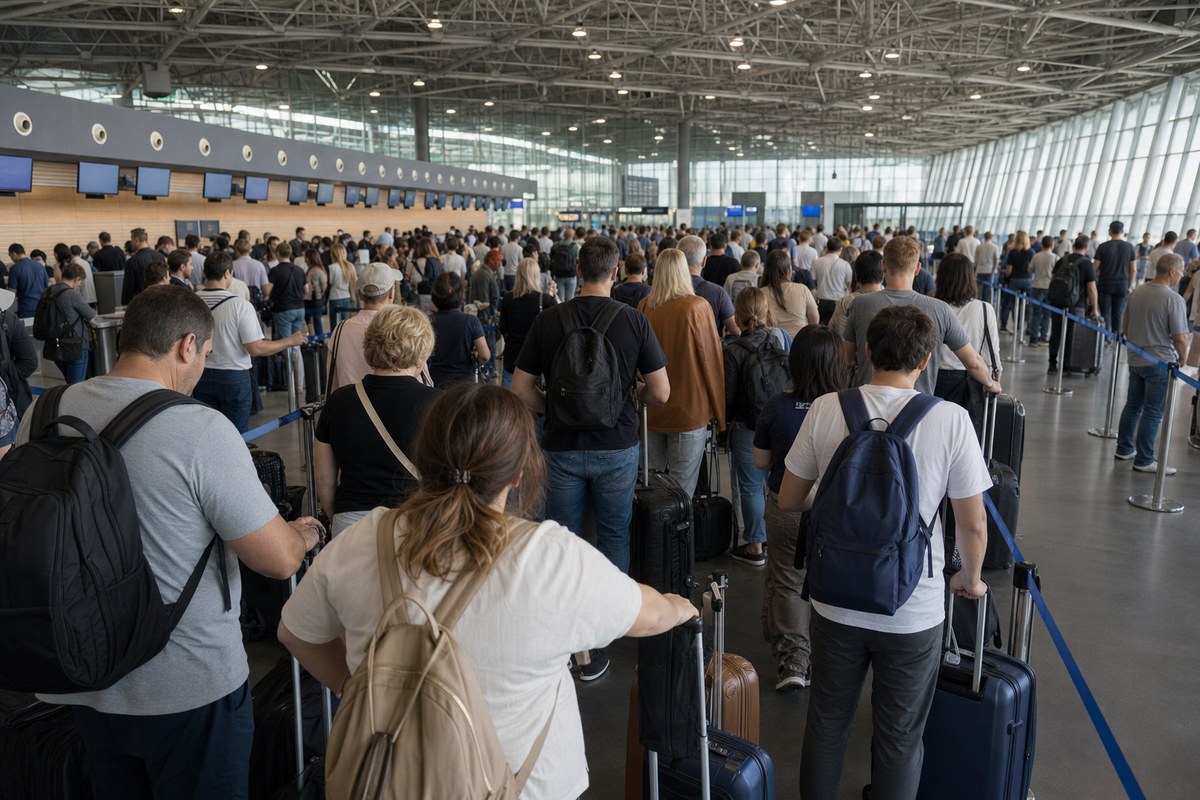
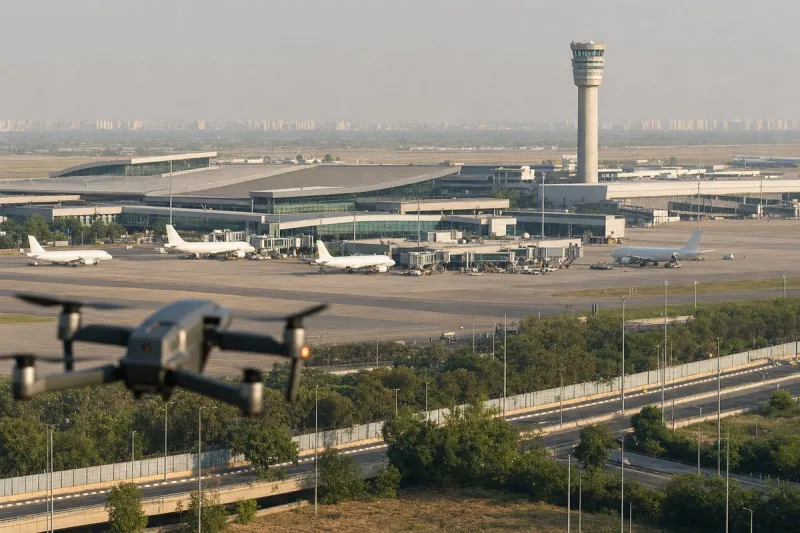
According to aviation platform RunAvia's tally of notices from civil aviation authority Rosaviatsia, airports across Russia imposed takeoff and landing restrictions 73 times at 28 airports from Nov. 16 to 22, nearly twice as often as in the same week a year earlier. RunAvia said the pace has eased slightly since October, when around half of all flights operated by major Russian and international airlines were delayed. On Oct. 13, a large Ukrainian drone attack grounded flights at Moscow's four major airports simultaneously for seven hours.
Most delays stem from the "carpet" plan, which is activated when an unidentified object enters Russian airspace: takeoffs and landings are suspended, and aircraft already airborne may be told to circle, divert or leave the area until the threat clears. For passengers connecting via hubs such as Istanbul, Belgrade and Dubai, a delay can mean a missed onward flight. A pilot whose airline still flies to Russia said international carriers often have no spare crew there, so crews may have to rest at a hotel for at least 10 hours after long delays.
Osprey Flight Solutions' Matthew Borie said the firm assesses flying in western Russian airspace, from St. Petersburg south to the Black Sea, as an extreme risk, though this can be mitigated depending on time of day and direction of travel. The European Union Aviation Safety Agency advises covered operators to avoid Russian airspace west of 60 degrees east at all altitudes through Jan. 31, 2027, warning that air defense crews could misidentify civilian aircraft. In December 2024, an Azerbaijan Airlines jet crashed near Aktau, Kazakhstan, killing 38 people.
Analysts say the routes remain lucrative because Western sanctions, imposed after Russia's full-scale invasion of Ukraine in 2022, left Russian travelers with fewer options and the carriers still serving them with less competition. Serbian aviation expert Petar Vojinovic said almost no airlines from continental Europe fly to Russia, and Air Serbia benefits from its route network and its Belgrade hub. Borie said these airlines are the Russian population's outlet to the rest of the world, so there is a lot of money to be made by continuing to fly.