Indonesia Accepts Former Turkish Presidential ACJ340-500 Under Defence Offset Arrangement
Why It MattersDefence offset arrangements can move VIP widebodies between governments outside the open resale market, and with only four ACJ340-500s ever built, each transfer reshapes a very small pool of aircraft.
What happened
The Government of Indonesia has accepted an ACJ340-500 previously operated in the presidential fleet of the Government of Türkiye, under an offset arrangement linked to several defence procurement deals. Rico Ricardo Sirait, spokesperson for the Indonesian Ministry of Defence, confirmed the transfer to the newspaper Jawa Pos. The donation was first reported by Turkish digital outlet HavaSosyalMedya.
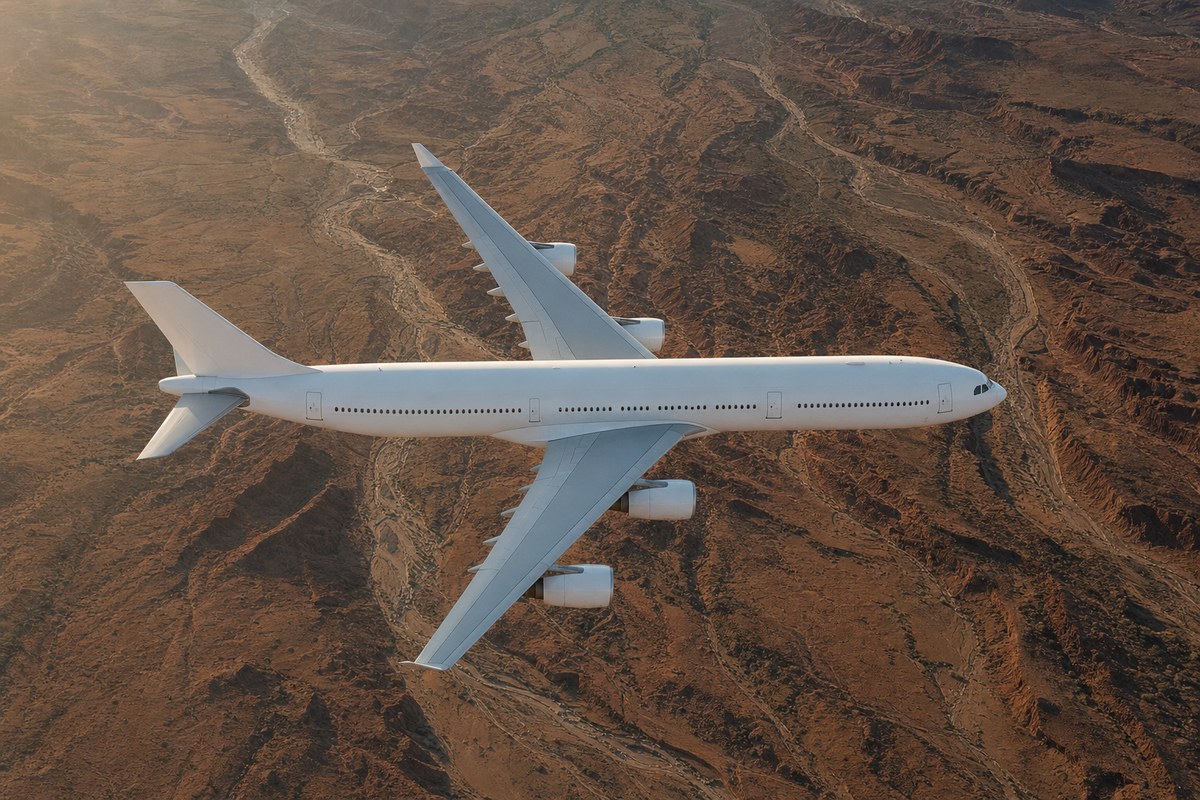
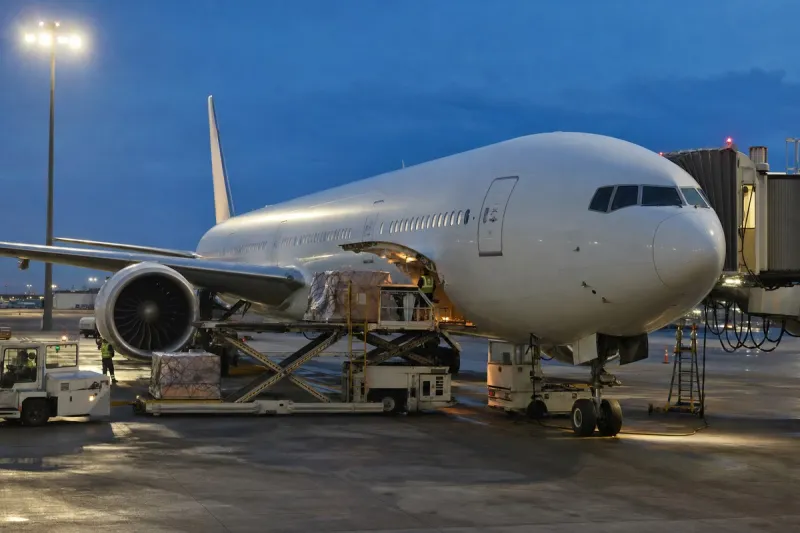
The 2008-built aircraft, manufacturer serial number 902, is expected to be registered in Indonesia as PK-GRD. It has been spotted at Istanbul Atatürk carrying 'Republik Indonesia' titles, the Indonesian government's coat of arms and the seal of the President of Indonesia. It is powered by four Rolls-Royce Trent 500 engines, has been inactive since October 22 and has yet to enter service.
The intended registration is currently assigned to a 2000-built B737-700(BBJ), msn 30789, operated by Lintang Air Services (Jakarta Soekarno-Hatta) on behalf of the Indonesian government. That aircraft was last active on November 16, flying President Prabowo Subianto between Istanbul Airport and Shenzhen for the Asia-Pacific Economic Cooperation (APEC) 2026. It was Subianto's private aircraft before joining the presidential fleet, and whether it will remain in service is unknown. The operational arrangement for the ACJ340-500 is also unclear.
The ACJ340-500 joined the Turkish presidential fleet in late 2016 as TC-TRK and was reregistered TC-CAN in mid-2017, operated by Turkish Airlines General Aviation. The Turkish government fleet now comprises an ACJ318-100, an ACJ319-100, an ACJ330-200, a B747-8(BBJ), three G550s and a GVII-G500. The aircraft was originally intended for India's Kingfisher Airlines as part of a five-aircraft order that was never taken up. It was then acquired by the Government of Tunisia, configured as an ACJ340-500 and delivered to Tunis on December 19, 2009 for President Zine El Abidine Ben Ali.
Only three other ACJ340-500s were built. One serves the Algerian Air Force as a presidential aircraft for the Government of Algeria. The other two are operated by Kuwait Airways: one remains active as the presidential aircraft of the Government of Kuwait, while the state's B747-8(BBJ) has been parked at Basel/Mulhouse/Freiburg since July 2022. The other ACJ340-500 has been parked at Basel since February 1, 2026.
Industry impact & what to watch
Government VIP aircraft rarely reach the open market. They tend to change hands through state-to-state channels, and here the vehicle is a defence offset, which ties an aircraft transfer to arms procurement rather than to a conventional sale. For completion centres, brokers and engine support providers, that means demand for used government widebodies is shaped by diplomatic and defence negotiations instead of listings.
The four-aircraft ACJ340-500 population makes the type an unusually thin niche. Four-engine long-range VIP airframes carry high operating costs, and the few operators are all governments, so support depends on a very small base of users. Each reassignment, parking or retirement within that group noticeably changes the active fleet.
The next milestone is the aircraft's actual registration as PK-GRD and its entry into service, which would settle how Indonesia intends to use it alongside the existing presidential BBJ.