Airbus Resolves A350 Paint-Cracking Issue With Perforated Copper Foil and Targeted Repairs, Avoiding Fleet Grounding
Why It MattersThe case shows that regulators weigh whether cracking affects structural and lightning-protection function over cosmetic degradation, and that targeted repairs can replace grounding when redundant protection layers are demonstrated.
What happened
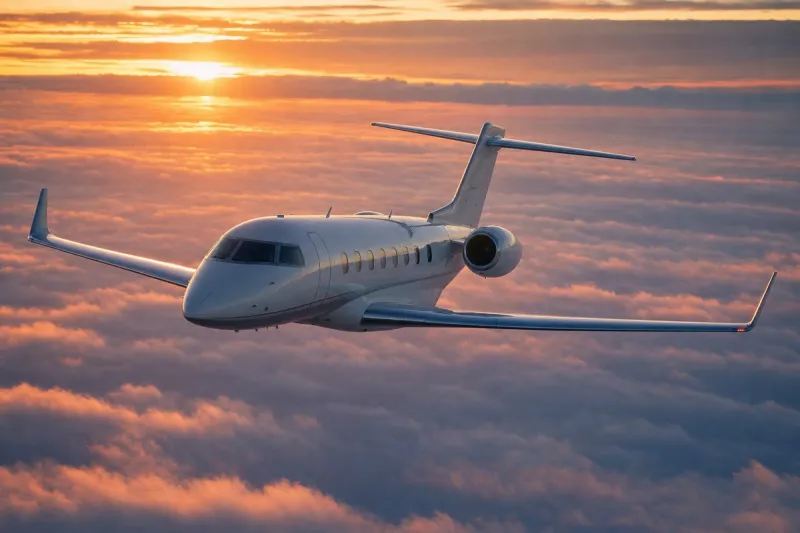
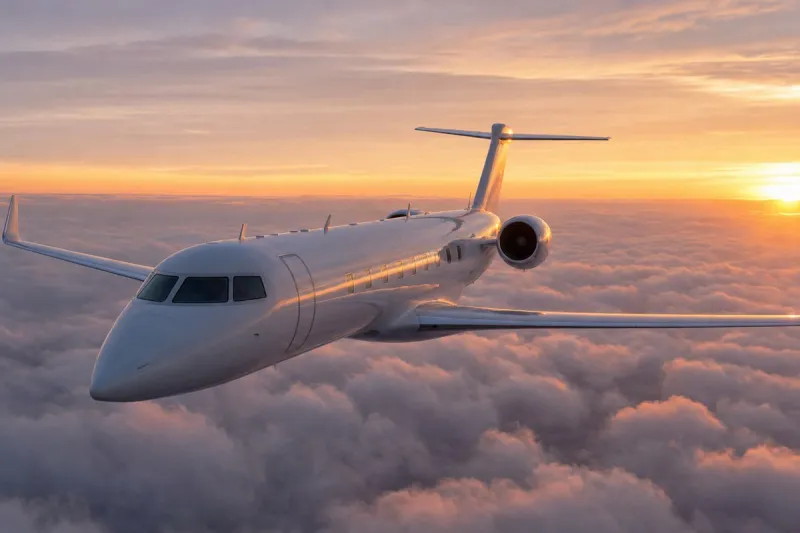
Airbus has addressed localized paint cracking on the A350 without a fleet-wide grounding. It used a material change in new production and a targeted repair method for aircraft already in service.
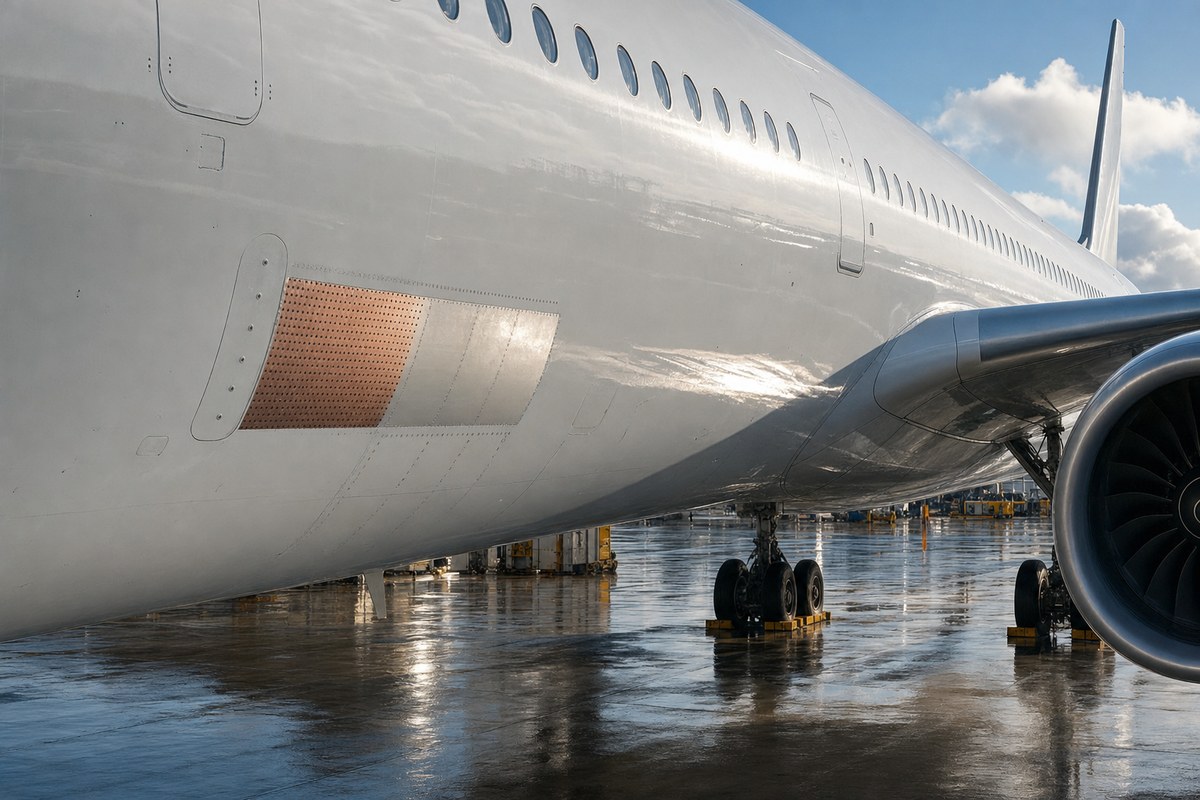
The cause was a mismatch between layers. Carbon fiber-reinforced polymer (CFRP) has a very low coefficient of thermal expansion, while the exterior coatings and the expanded copper foil layer used for lightning-strike protection expand and contract differently. An aircraft departing a runway at about 110 degrees Fahrenheit (43.3 degrees Celsius) climbs to cruise altitude where temperatures fall to about minus 65 degrees Fahrenheit (minus 53.9 degrees Celsius). The paint and metallic foil try to shrink while the composite shell stays rigid, and the resulting shear forces produced fine cracks.
Qatar Airways demanded a worldwide grounding and withdrew more than 20 of its jets from service, then launched a legal battle. EASA and the FAA conducted technical reviews instead of imposing precautionary bans, finding that the paint degradation did not compromise structural airworthiness. Regulatory directives required localized inspections of the lightning-protection mesh on specific early-production airframes rather than removing the type from service.
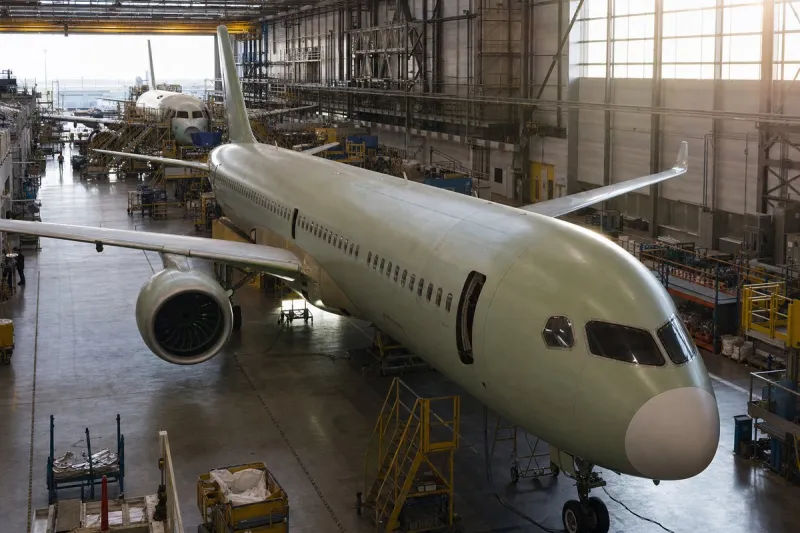
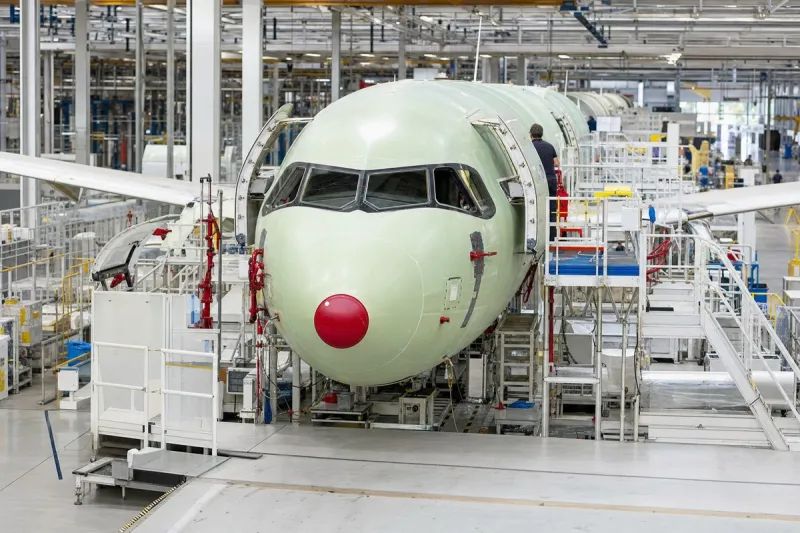
For new production, Airbus replaced the expanded copper foil mesh, which resisted micro-movements of the composite skin and concentrated shear forces in the paint, with perforated copper foil (PCF). The foil has uniform microscopic apertures that give it greater multi-directional flexibility. The new standard began rolling out on assembly lines in late 2022, and the perforated foil and updated paint-curing processes are now part of assembly in Toulouse.
For aircraft already in service, technical teams developed a microlayer patch protocol focused on affected panel joints, avoiding a full repaint that would take weeks of hangar time and cost millions of dollars per airframe. Crews sand down degraded paint, clean the underlying foil shield and apply a microlayer resin patch compound. The work takes only a few days and can be done during routine service stops. Delta Air Lines, Singapore Airlines and Lufthansa kept their networks running while managing the blemishes through line maintenance.
The lightning-protection dispute
Qatar Airways' dispute centered on whether the cracking compromised lightning-strike protection, particularly around the wing fuel tanks. According to Airbus, commercial passenger aircraft are struck by lightning on average about once per year.
Engineering documentation and teardown inspections showed the wing skin has multiple redundant protection layers and that the path for electrical dissipation stayed functional even where paint was cracked. Testing verified that the metallic mesh retained its ability to conduct large currents to the static wicks, and regulators confirmed the cracking created no safety-of-flight risk.
Industry impact & what to watch
The outcome illustrates how airworthiness authorities separate surface degradation from loss of function. EASA and the FAA tested whether the lightning-protection path and structure still worked, and once redundant layers and conductivity were shown intact, they chose localized inspections over a type-wide withdrawal.
For operators, the economics of the repair route matter as much as the finding. A patch protocol that takes days during routine stops, against weeks of hangar time and millions of dollars per airframe for a repaint, explains why Delta, Singapore Airlines and Lufthansa kept flying while Qatar Airways parked more than 20 jets.
The design change also shows how a manufacturer feeds an in-service finding back into the line: perforated foil and revised curing now sit in the Toulouse process. The early-production airframes covered by the inspection directives remain the population where that mesh is still in place.