Aviation Coalition Seeks $30B for ATC Modernization, Short of Administration's $50B Request
Why It MattersLawmakers tie ATC funding to oversight of money already spent, so the size of any new appropriation now depends on how credibly the FAA accounts for its existing modernization program.
What happened
More than 60 aviation organizations, operating as the Modern Skies Coalition, sent a letter to congressional leaders on Monday asking for at least $30 billion in additional funding for air traffic control (ATC) modernization. The coalition represents airlines, airports, pilots, manufacturers and other stakeholders. It said $30 billion would "fully modernize our ATC system, with proper staffing a…"
The administration previously backed the $30 billion figure but has since raised its request to about $50 billion, citing this month's national ground stop as evidence of the system's needs. Congress in 2025 allocated $12.5 billion to the administration's Brand New ATC System (BNATCS) project, which officials have called a "down payment," and later raised annual funding for the FAA's Facilities & Equipment account by $1 billion.
Lawmakers say the larger request faces hurdles because of a lack of transparency over funds already provided. A September Government Accountability Office report said the FAA lacks a lifecycle cost estimate or master schedule for BNATCS, which it said may face cost overruns, schedule delays and unmet goals. FAA official Bedford denied at a hearing that a c…
The ground stop and its cost
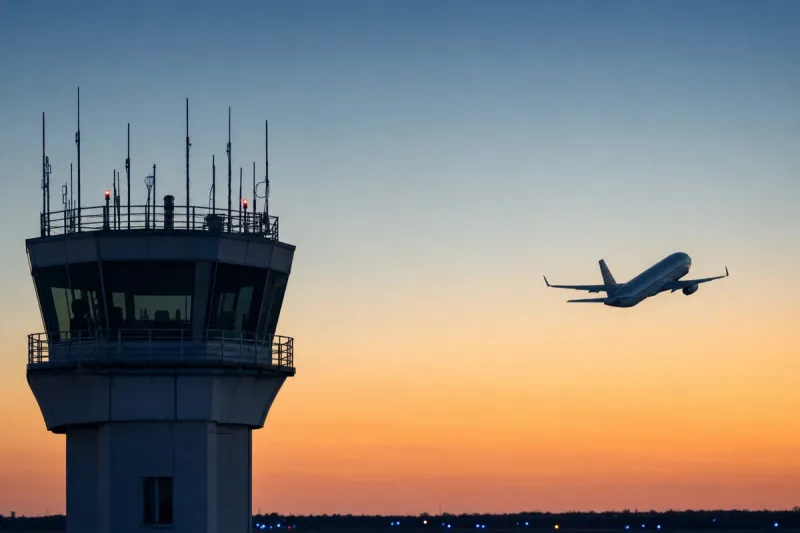
The FAA has not disclosed the root cause of the outage that triggered this month's national ground stop, the longest since the 9/11 attacks, but has linked it to the installation of a single router by contractor L3Harris. The communications and radar outage affected 17 en-route centers. Bedford said the outage "had nothing to do with the modernization effort."
Airlines canceled more than 12,000 flights on the day of the ground stop and thousands more in following days. Investment firm Bernstein reported the disruptions could cost the four largest U.S. airlines a combined $345 million or more.
Arguments and public opinion
Airlines for America head Chris Sununu said $50 billion is "not a lot of money" in context, being less than 1 percent of annual federal spending and less than 5 percent of defense spending. The coalition estimates the aviation system supports more than 10 million jobs and about 5 percent of U.S. GDP.
A U.S. Travel Association survey of 2,200 U.S. adults on November 16 and 17 found 37 percent said the incident makes them somewhat or a lot less likely to fly for vacation in the next 12 months, and about 63 percent want Congress to put at least some additional funding toward ATC modernization.
Industry impact & what to watch
The gap between a $30 billion coalition ask and a $50 billion administration request shows the funding debate is no longer only about whether the ATC system needs money. It is also about who sets the number and on what evidence. When an industry coalition asks for less than the executive branch, the lower figure can read as the one more likely to clear Congress.
The oversight question sits underneath that. Lawmakers have tied the larger request to transparency over money already appropriated, and the GAO's finding that BNATCS has no lifecycle cost estimate or master schedule gives skeptics a concrete objection. The outage itself has been separated from modernization by the FAA's own account, which means the ground stop strengthens the political case for spending without settling whether the existing program is on track.
The items that would move the debate are specific: the FAA's disclosure of the outage's root cause, and the production of the cost estimate and schedule the GAO said are missing.