Joramco plans two more hangars, paperless maintenance gains and wider Academy role, says DAE Engineering's Fraser Currie
Why It MattersMaintenance providers are competing on engineer supply, digital record systems and customer access as much as hangar capacity, and regional airspace risk now shapes where widebody work is placed.
What happened
Joramco is preparing its next phase of expansion, with two additional hangars planned in Jordan, a growing pipeline of aircraft maintenance engineers and new digital tools aimed at greater efficiency, according to Fraser Currie, Chief Strategy and Commercial Officer at DAE Engineering. Currie spoke to AeroTime at MRO Europe in Amsterdam, held from October 27 to 29, 2026. He served as Joramco's Chief Executive Officer from October 2021 to September 2025. DAE Engineering is the engineering division of Dubai Aerospace Enterprise (DAE), under which Joramco operates; DAE acquired an 80% stake in Joramco in September 2016.
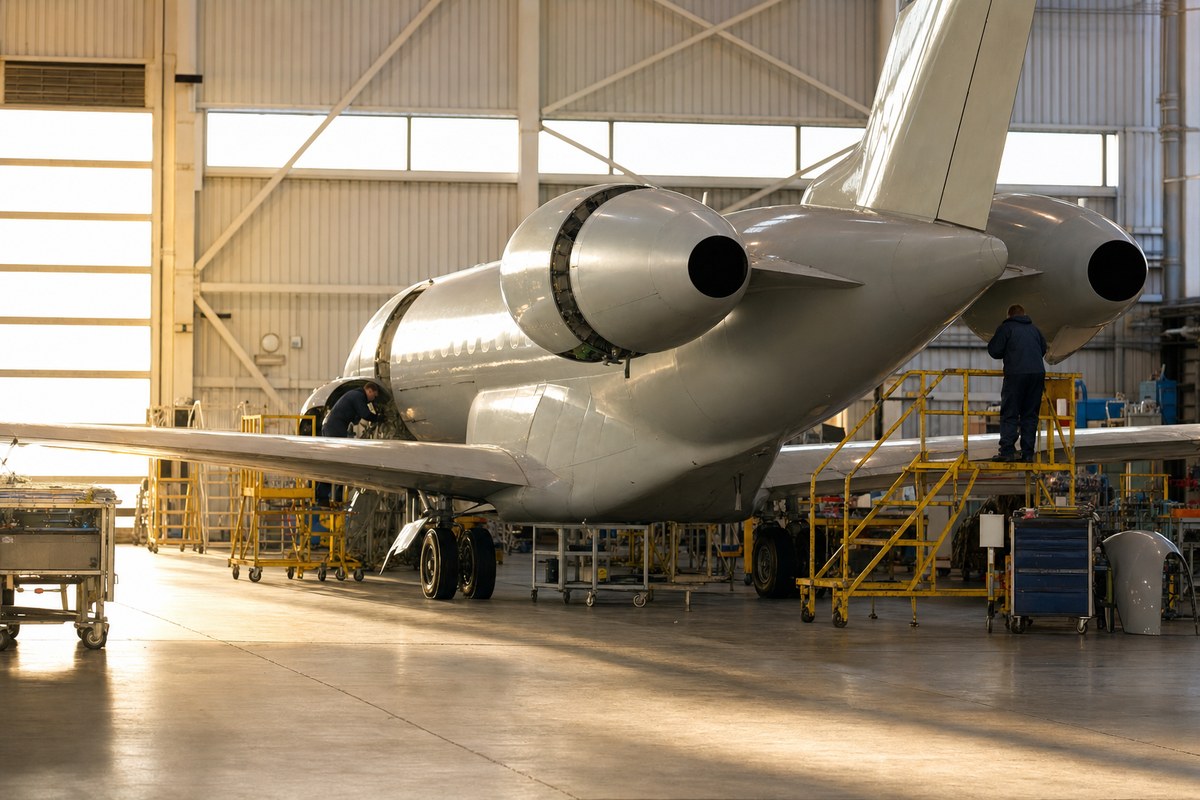
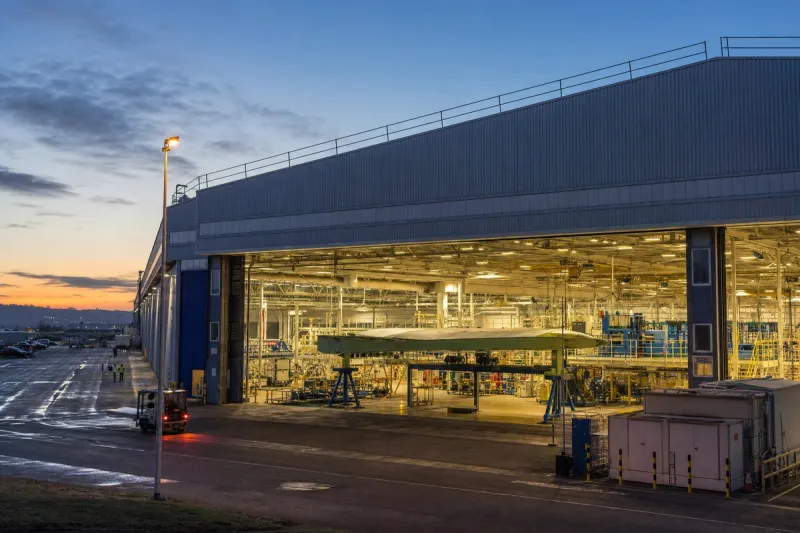
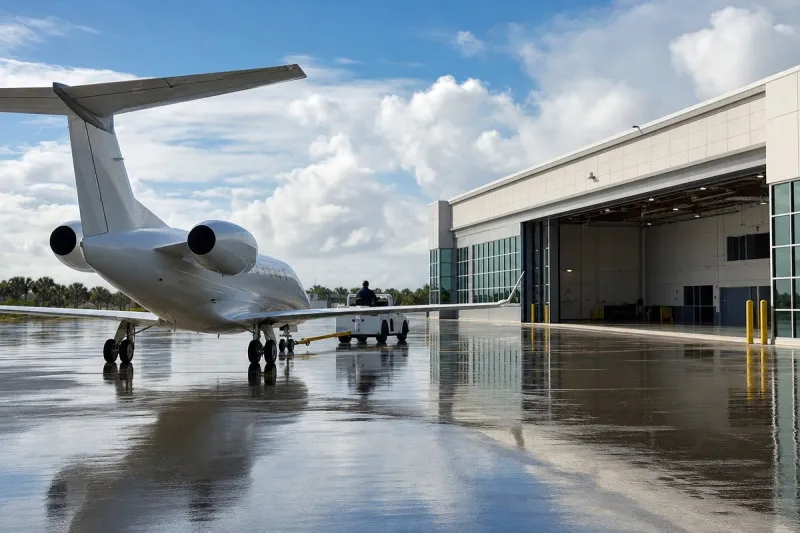
Hangar 7 at Queen Alia International Airport (AMM), inaugurated by King Abdullah II on September 8, 2025, can accommodate aircraft up to the size of the Airbus A380 and raised Joramco's capacity from 17 to 25 maintenance lines, according to the company. About 60% of Joramco's business comes from Europe and 40% from the wider region. One of the two planned hangars would add another five maintenance lines, but Currie said the next facility built is likely to be a widebody paint hangar. He said safety is the overriding consideration in deciding how fast to expand.
Through Joramco Academy, the company trains its own aircraft maintenance engineers. A five-year bachelor's program developed with the University of Jordan was launched in 2025. The academy moved into a new 5,000-square-meter building in October 2024 and is already being expanded again. About 15% of Joramco's employees come from outside Jordan.
In April 2026, Joramco announced that EASA had granted it full approval to operate without paper-based maintenance records. Developed with software provider EmpowerMX, the system made Joramco, according to the company, the first paperless MRO in the Middle East and North Africa. Currie said it has improved efficiency by about 7.5%, with a gain of around 15% expected once staff fully adapt. The system uses AI and machine learning to reduce human-factor risks at maintenance sign-offs, and electronic sign-off prevents technicians from moving to the next stage before the first is finished.
In September 2026, Joramco opened a Customer Center with 35 offices for up to 108 airline representatives, with direct access to the hangars, according to the company. Joramco serves airlines from Europe, the Middle East, Latin America and Asia; German carrier Condor signed a five-year base maintenance agreement with it.
Airspace and regulatory backdrop
The 2026 conflict between the United States and Iran has affected Jordanian airspace, and EASA issued a conflict zone information bulletin on July 22, 2026.
On October 14, 2026, EASA revised its guidance, replacing its recommendation against operating in Jordanian airspace with advice to assess risks and maintain contingency plans. The agency noted that no kinetic military activity affecting Jordanian airspace had been reported since September 9, 2026.
Industry impact & what to watch
Joramco's plans show that MRO growth now rests on several constraints at once: physical capacity, a trained workforce, and the confidence of airlines that must route aircraft through a region exposed to conflict. Building its own engineer pipeline through the Academy ties expansion to labor supply, which in this segment often limits how many maintenance lines can actually be staffed.
The paperless approval points to a wider shift in how maintenance records are managed. Efficiency gains from electronic sign-off, with about 7.5% reported now and around 15% expected, matter in a business where turnaround time and error reduction translate directly into customer retention. The widebody paint hangar Currie favors would target a service line that depends on large-aircraft capacity.
The pending question is how the two planned hangars are sequenced against safety and demand, and whether the EASA guidance of October 14, 2026 stays in place as the regional situation develops.