ICAO's ATConf/7 in Montreal Backs Global Agenda for Sustainable Air Transport, IATA Says
Why It MattersThe first worldwide ICAO air transport conference since 2013 shows regulators and industry pressing for coordinated rules on costs, passenger rights and sustainability just as cost pressures threaten passenger growth in 2026.
What happened
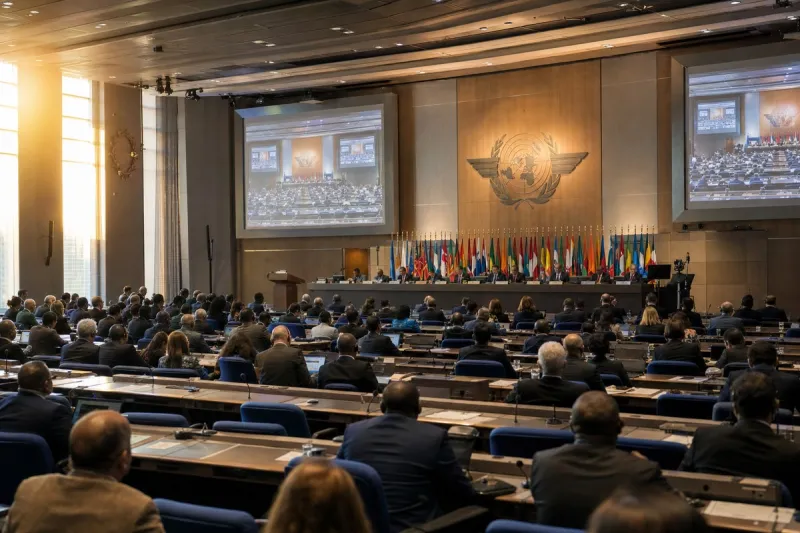
The seventh ICAO Worldwide Air Transport Conference (ATConf/7) was held in Montreal, Canada, from 16 to 20 November. It brought together ICAO Member States and industry stakeholders under the theme "Air Transport: Powering Global Connectivity, Economic Development and Resilience in a Dynamic World". It was the first worldwide ICAO Air Transport Conference since 2013.
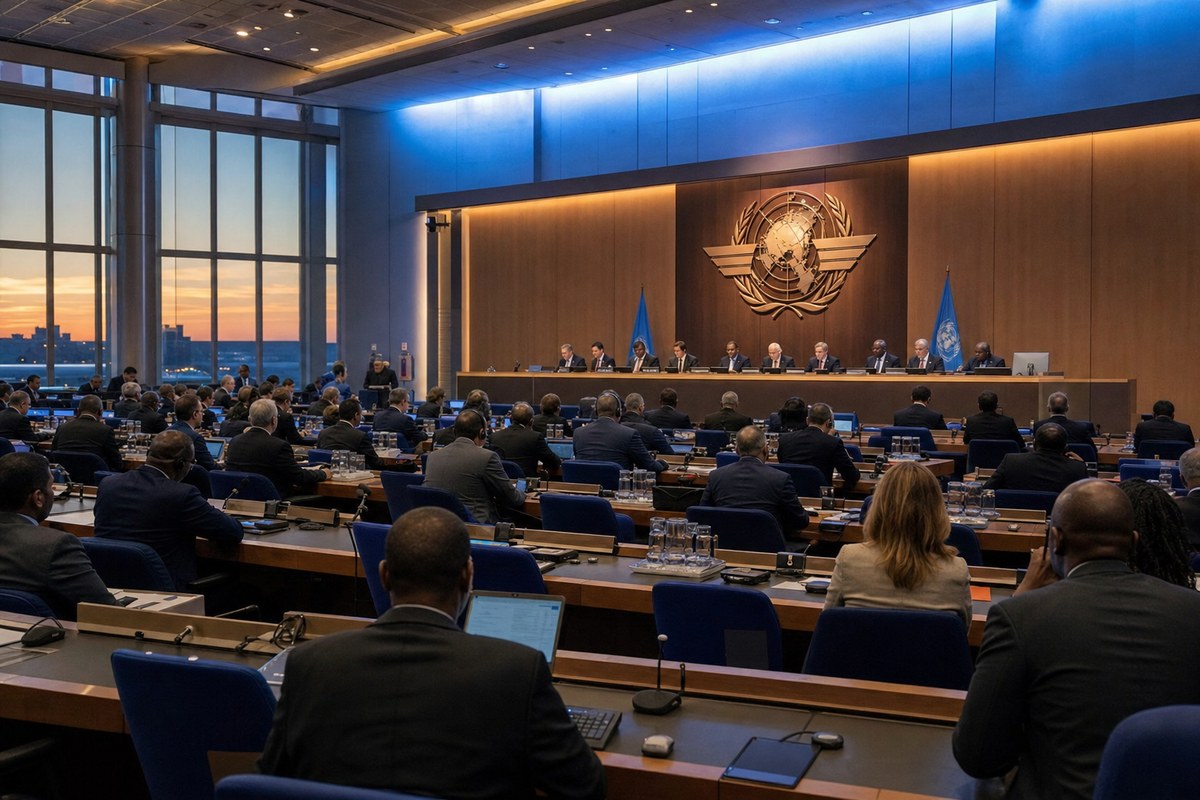
The agenda covered economic regulation, consumer protection, infrastructure financing, innovation, resilience and sustainable growth. The conference took place against a background of rising industry costs, capacity constraints and fragmented policies, particularly on sustainability.
IATA, an official observer to ICAO, submitted nine papers: six Working Papers and three Information Papers. They covered economic regulation, consumer protection, airport and air navigation charges, sustainable aviation fuels (SAF), the Carbon Offsetting and Reduction Scheme for International Aviation (CORSIA), taxation, digital identity and passenger facilitation.
On consumer protection, governments recognized the importance of approaches that protect passengers while maintaining choice and competition, and IATA called for travelers to have clear, consistent information on their journey, rights and responsibilities. On infrastructure costs, the conference reinforced ICAO principles for the economic oversight of airports and air navigation service providers; IATA called for independent regulation based on cost-relatedness, transparency and meaningful consultation.
IATA said air transport supports 99 million jobs globally and generates $5 trillion in economic impact. It also said a sharp rise in fuel prices and the cost of living means air passenger growth in 2026 will likely be the lowest since 2009, excluding the pandemic years. IATA's Reynaert said the discussions were positive, that air cargo requires tailored regulatory frameworks, and that IATA will work with ICAO and governments to maintain the momentum from Montreal.
Industry impact & what to watch
A worldwide conference convened for the first time in more than a decade signals how much regulatory ground has accumulated between sessions. Consumer protection, charges oversight and sustainability rules have each developed along separate national and regional lines, and a forum of this kind is one of the few places where those threads are discussed together. For airlines, the practical value lies less in any single statement than in whether common principles reduce the number of distinct regimes they must comply with.
The emphasis on cost-relatedness and transparency in airport and air navigation charges reflects a structural tension in the segment: airlines bear charges set by monopoly or near-monopoly providers, so oversight principles at ICAO level shape what regulators can later require nationally. The same logic applies to passenger-protection rules, where the stated goal of balancing protection with choice and competition leaves wide room for how individual states implement it.
The next test is how Member States translate the conference's outcomes into national rules, and whether IATA's expected effort with ICAO and governments to maintain the Montreal momentum produces concrete follow-up on charges, SAF, CORSIA and passenger facilitation. Until then, the 2026 growth warning on fuel prices and cost of living is the figure that frames how much room the industry has to absorb new regulatory costs.