Bomb-Threat Wave Hit Flights Across Europe Nov 2-6; OPSGROUP Outlines ATC Response and Crew Actions
Why It MattersRepeated hoax threats against civilian aviation show how cheaply a coordinated disruption campaign can strain ATC, airport and crew procedures, with attribution still unresolved and the tactic likely to recur.
What happened
Between Nov 2 and Nov 6, a wave of bomb threats affected flights across Europe. Some flights were diverted or escorted by military jets, and some airports and runways were temporarily closed. Other aircraft continued to their planned destination and were checked on arrival.
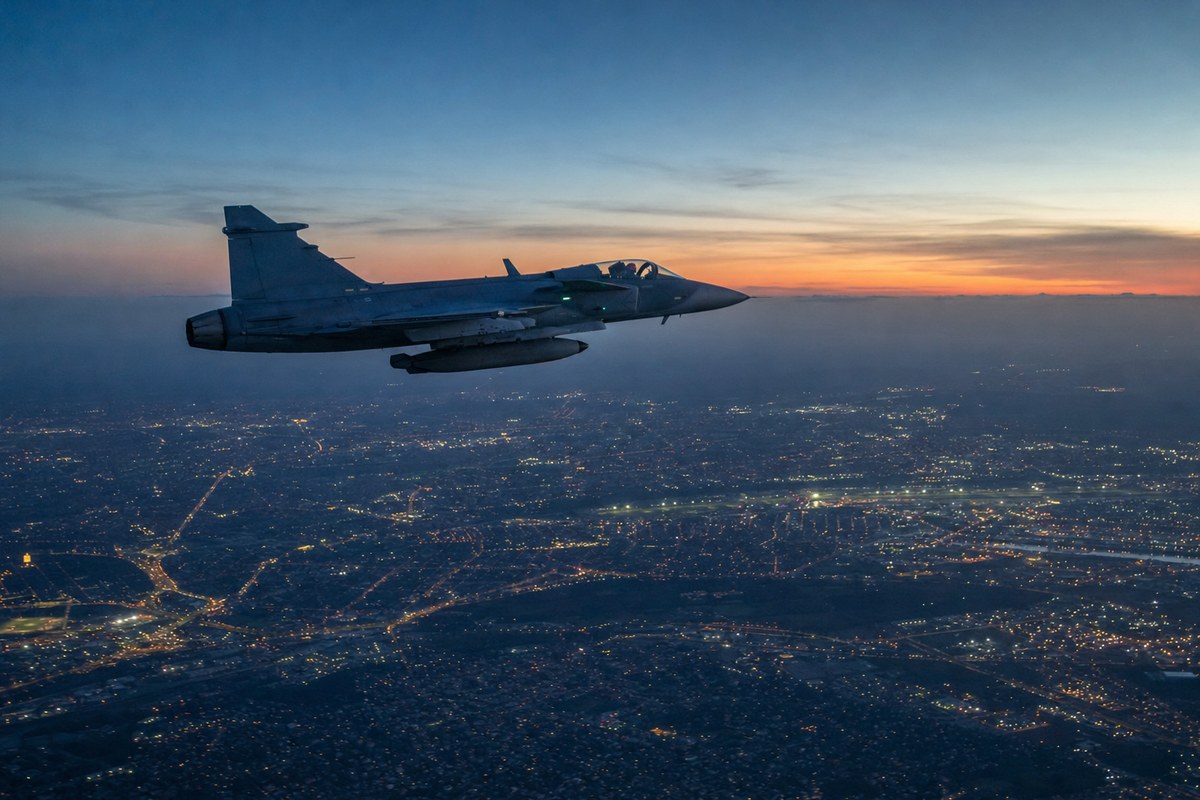
On Nov 6, Hungarian fighter jets escorted flights from Brussels to Sofia and from Prague to Bucharest and Cyprus. Four flights over France landed at Paris Orly for inspection, and a WizzAir flight from Prague to Rome diverted to Venice. A Tarom flight from Prague to Bucharest and a Ryanair flight from Lisbon to Rome were also reported affected. The same day, emails claiming responsibility were sent to several broadcasters, prompting a few building evacuations.
Authorities have not established who was behind the incidents or whether they are linked. Warnings sent to airport operators in Rome and Milan were signed "Fighters of the Male State", but the group's founder has said it no longer exists and is not involved. Intelligence suggests the hoaxes may have originated in Russia, and the threats came amid heightened geopolitical tension and warnings that Russia may be escalating a campaign to unsettle Europe by targeting civilian infrastructure. There is no clear link to the Russian government, and authorities have not attributed the threats to any one party.
What ATC is required to do
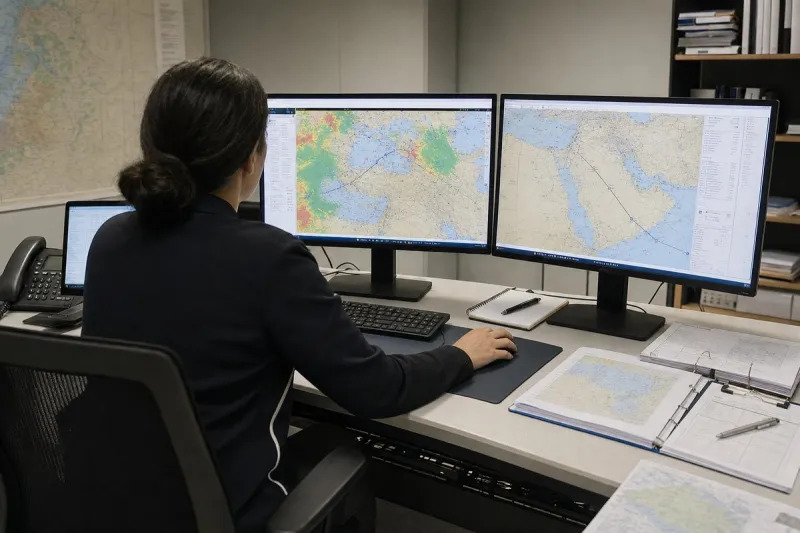
Under Section 11 (Unlawful Interference) of EASA's Rules of the Air, air traffic control must notify adjacent ATS units, the operator, rescue coordination centers and relevant authorities, and notify the crew immediately if a specific aircraft is threatened.
ATC requests the crew's intentions and handles the flight as expeditiously as possible without creating additional danger. It can re-clear the flight to any destination without delay, including level changes to reduce differential cabin pressure. After landing, the aircraft is directed to an isolated parking position.
OPSGROUP's guidance for crews
OPSGROUP advises crews to treat every bomb threat as genuine, inform ATC without delay, and search the aircraft thoroughly. The search should focus on places that may have been missed in security checks or where items are easy to hide, using the HOT principle: Hidden, Obviously Suspicious, or not Typical.
If a suspicious item is found, it should not be touched unless a checklist allows. Many manufacturers provide a bomb-on-board checklist that may include relocating the device to the least risk bomb location. Passengers should be moved away from the device and cabin pressure differential reduced gradually.
Industry impact & what to watch
A hoax threat costs its sender almost nothing, yet each one obliges ATC, airports and crews to run the same procedures as for a genuine device: notifications, re-clearances, escorts, isolated parking and inspection. When several threats arrive across different countries within days, the cost shows up as diversions, closed runways and aircraft held for checks, whether or not any device exists. That asymmetry is what makes this tactic attractive to anyone seeking disruption rather than harm.
For business aviation, the practical exposure is the same chain of events at smaller scale: a diversion to an unplanned airport, an isolated parking stand, and a search that crews must conduct themselves. The EASA framework leaves the decision on how to handle the aircraft with the crew, which is why the advice to treat every threat as genuine and to search methodically carries weight even when hoaxes are suspected.
The attribution question is the open item. Investigators have not tied the incidents together or named a responsible party, and the signature on the Rome and Milan warnings has been disowned by the group's founder. Any official finding on origin would determine whether this is read as a one-off wave or as part of a sustained campaign against civilian infrastructure.