FAA Halts Flights to Chicago O'Hare for Staffing Shortage at Arrivals Control Facility
Why It MattersA single understaffed approach facility can stop a major hub's inbound flow, showing that controller headcount, not runway or airline capacity, sets the ceiling on holiday-period operations.
What happened
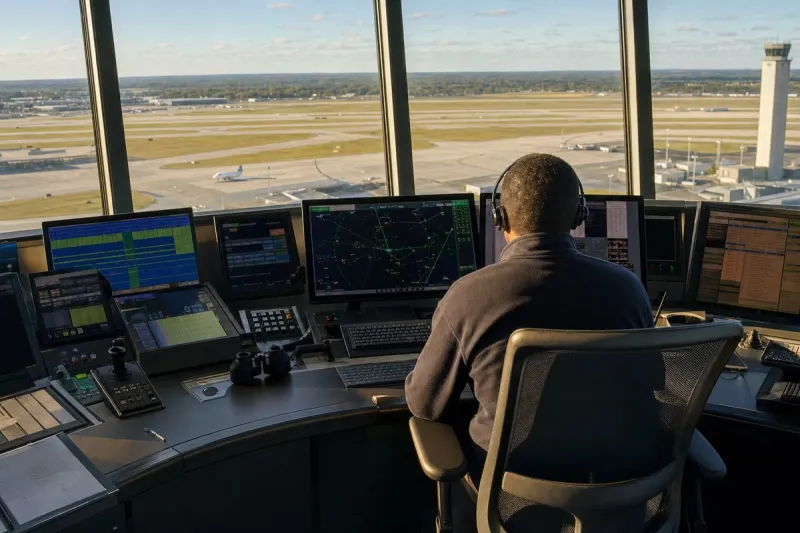
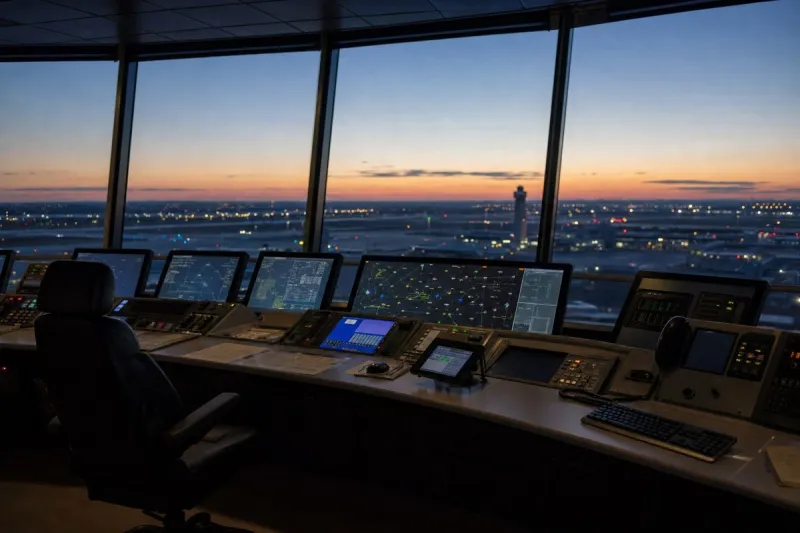
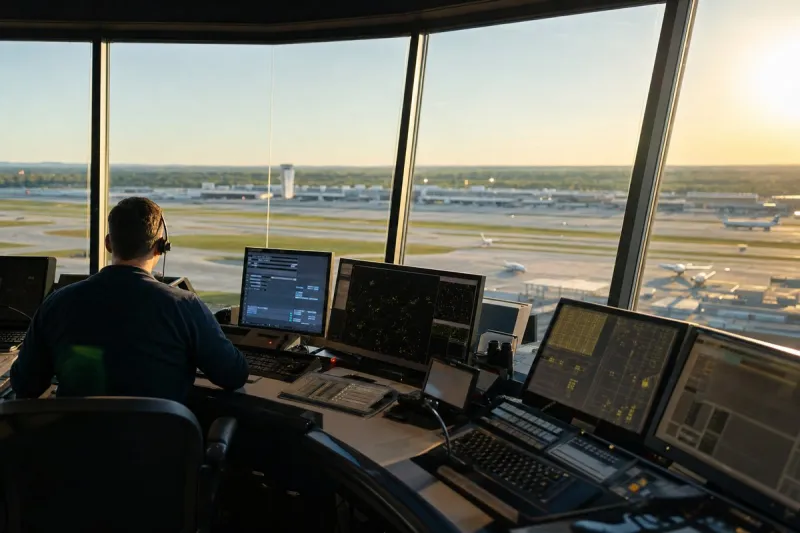
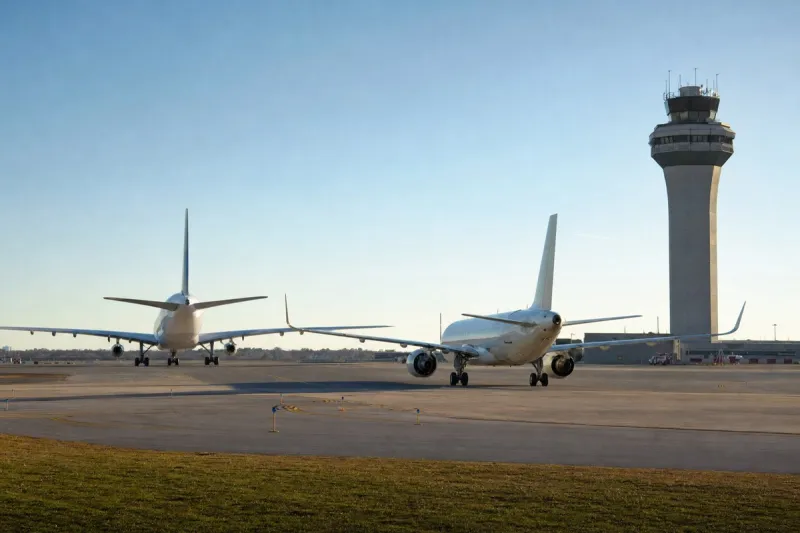
The FAA temporarily halted flights bound for Chicago O'Hare International Airport on Monday after an air traffic control staffing shortage affected the facility responsible for managing arriving aircraft. The ground stop was lifted at approximately 12:15 p.m. Central, and further details about the staffing problem were not immediately available.
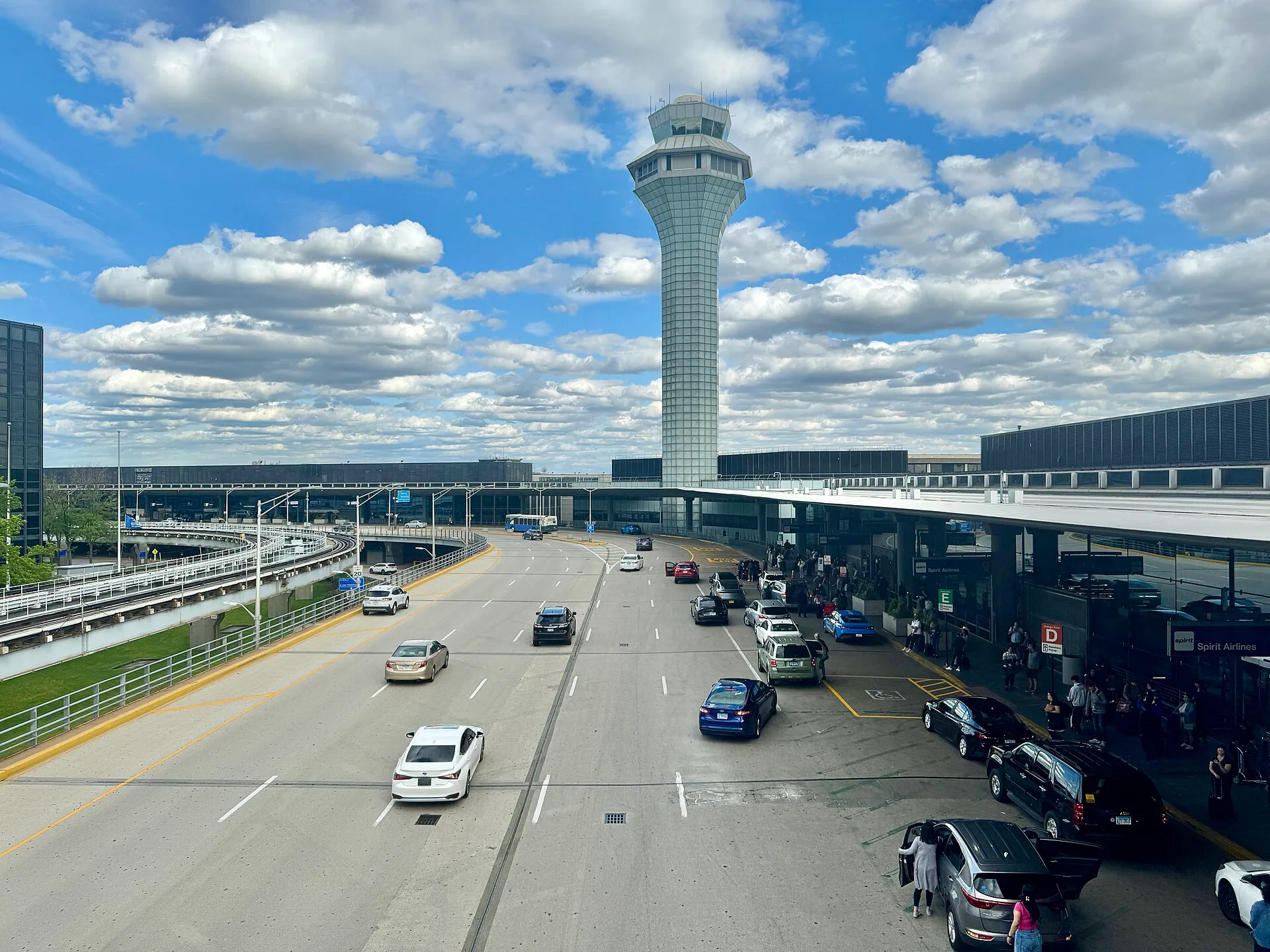
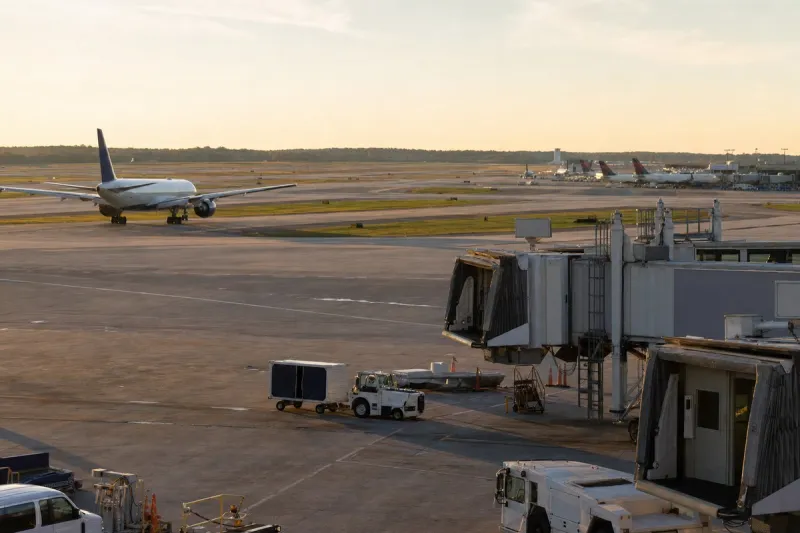
The ground stop required affected flights destined for O'Hare to remain at their departure airports until the restriction was lifted. Flights departing O'Hare continued operating, although departure delays averaged approximately 15 minutes during the disruption, according to NBC Chicago. More than 170 flights had been delayed at O'Hare as of 11:55 a.m., but it was unclear how many were directly attributable to the ground stop. The interruption occurred during the opening days of the Thanksgiving travel period.
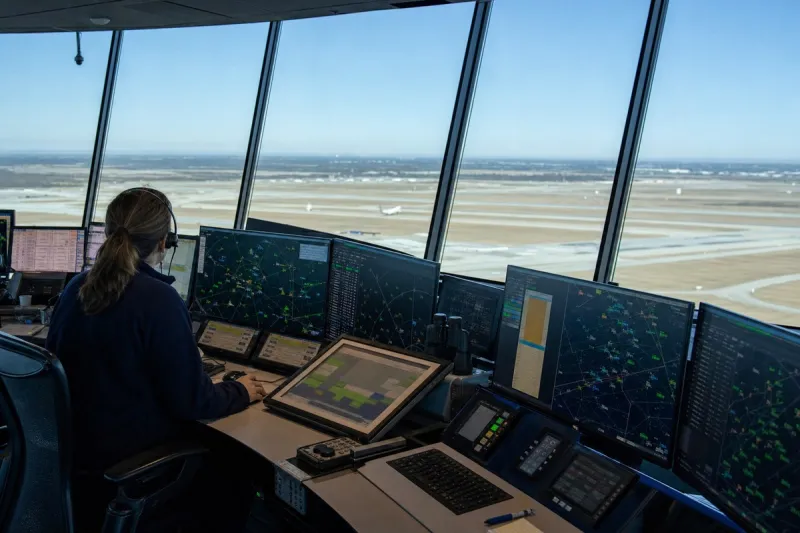
Chicago TRACON has faced staffing shortages in recent months. Sens. Dick Durbin and Tammy Duckworth said the facility had 77 controllers against a staffing target of 102. The senators also raised concerns about staffing at O'Hare's control tower and Chicago Center, urging the agency to prioritize additional personnel and infrastructure improvements.
The incident comes amid the FAA's ongoing efforts to address controller shortages nationwide. The agency launched an expanded recruitment campaign earlier this year as part of an effort to rebuild staffing levels. On Monday, a coalition of more than 60 aviation organizations also urged Congress to approve additional funding for air traffic control modernization, staffing and training.
Industry impact & what to watch
Ground stops tied to staffing are a different kind of disruption from weather or runway closures: the airfield and the aircraft are fully usable, but the facility that sequences arrivals cannot safely accept the normal flow. Because arrivals into a hub are metered through a single approach control, a shortfall there propagates immediately to every inbound flight, whatever the airline or aircraft type. A gap of 25 controllers against the target at Chicago TRACON is the kind of margin that leaves little room for sick calls or schedule gaps on a peak day.
For business aviation, the practical exposure is in how traffic management initiatives are applied. When arrivals are held at origin, general aviation and charter flights bound for the affected airport or its neighbours can be caught in the same restriction, and the delay is absorbed at the departure end, where crews, passengers and aircraft positioning plans are affected. Holiday periods compress this effect because scheduled volume is already near its highest.
The next milestone is whether the FAA discloses what specifically caused the shortage on Monday and whether the senators' request for added personnel at the TRACON, the tower and Chicago Center produces a staffing commitment. The funding appeal from the coalition of more than 60 aviation organizations is the other open item, since modernization, hiring and training money is what determines whether such stops become less frequent.