EU and UK Finalize Deal to Link Emissions Trading Systems, With Interchangeable Allowances From January 2028
Why It MattersLinking the two carbon markets shifts airline compliance toward one pooled allowance market with a single UK authority, while the EU's separate plan for long-haul flights keeps its external reach contested.
What happened
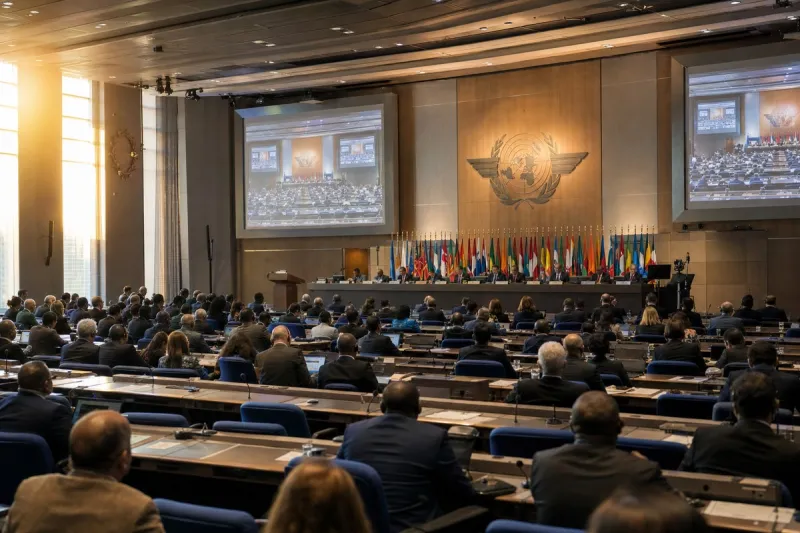
The European Union and the United Kingdom have finalized negotiations to link their respective emissions trading systems (ETS), with the deal announced at the EU-UK summit in Brussels on Nov. 20, 2026. The UK ETS was created in 2021 following Brexit, and businesses called for it to be linked to the EU ETS from the outset. Negotiations began in late 2025.
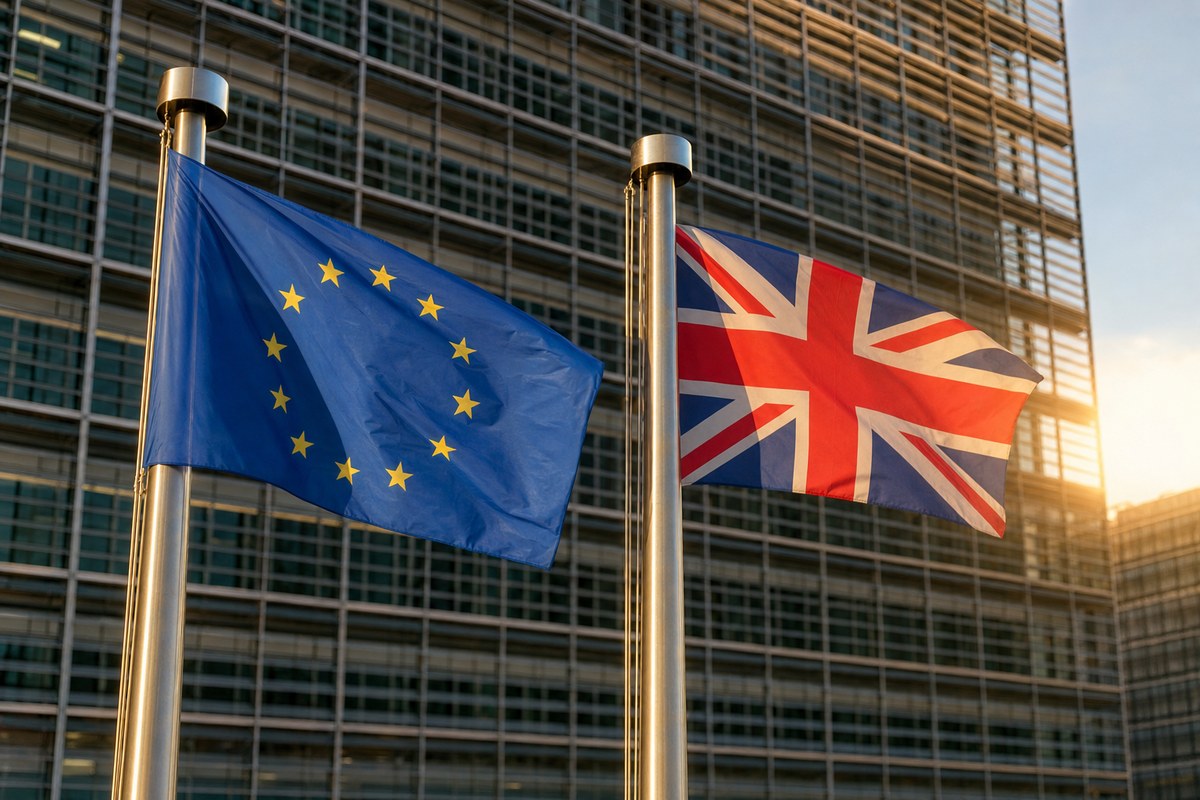
The European Commission's Directorate General for Climate Action said the agreement will ensure the same set of climate rules related to emissions trading applies in the EU and the UK. If ratified on both sides, the deal is expected to simplify airline compliance and create a larger market with more stable carbon pricing. The UK will also introduce a "one-stop shop," so airlines deal with a single authority for both schemes rather than separate UK and EU regulators.
Work is underway to operationalize the agreement, with any necessary legislation to be passed in 2027 and procedures to be enacted in January 2028. According to the UK government, from Jan. 1, 2028, UK and EU allowances can be used interchangeably across both schemes. The first surrender deadline at which allowances from both systems will be accepted is Sept. 30, 2028, covering operators' obligations for the 2027 compliance year.
The two systems will continue to operate separately, with "dynamic alignment," and the UK government said it will have an early "decision-shaping role" when the EU develops new EU ETS policies.
The aviation scope dispute
In July 2026, the European Commission announced plans to extend the EU ETS to cover flights between the EU and non-EU countries within a 5,000 km (3,100 mi.) range. The proposal drew strong opposition from aviation stakeholders, who view it as extraterritorial and as undermining global efforts through Corsia, the International Civil Aviation Organization's program to stabilize net CO2 emissions from international flights.
The UK Department for Transport acknowledged the draft EU proposal and said it is aligning with "elements" of the EU ETS, including the scope of aviation coverage.
The EU ETS has been linked with Switzerland's ETS since Jan. 1, 2020.
Industry impact & what to watch
For airlines and business-aviation operators flying between the UK and the EU, the practical change is administrative as much as financial. Two separate carbon regimes, each with its own regulator and allowance pool, are set to become one interchangeable pool with a single UK point of contact. Operators that today hold and track allowances separately for each scheme would be working from a common stock, and a larger linked market is expected to steady carbon pricing.
The link also ties UK aviation policy more closely to Brussels. With dynamic alignment, the UK follows the EU's rule changes while keeping a separate system, and its early role in shaping new EU policy sits alongside its stated alignment with elements of the EU's aviation coverage. That makes the EU's July proposal on flights to non-EU countries within 5,000 km a live question for UK-linked operators, and it keeps the objections tied to Corsia in play.
The next dated milestones are legislation in 2027, procedures in January 2028, and the Sept. 30, 2028 surrender deadline for the 2027 compliance year. Ratification on both sides is the condition on which the deal's benefits depend.