India in talks with airlines and fuel suppliers as West Asia crisis pushes ATF prices among decade highs
Why It MattersFuel cost shocks tied to regional conflict risk are prompting carriers to pass costs through quickly via fare surcharges while governments weigh intervention in fuel pricing talks.
What happened
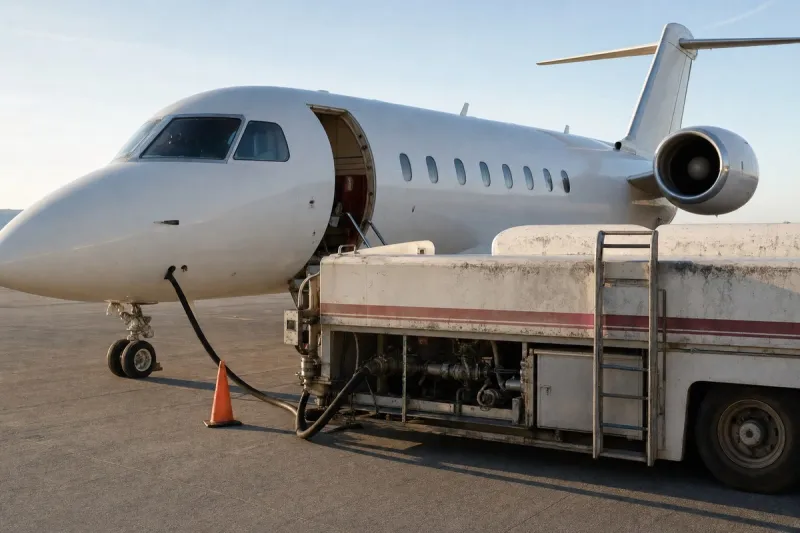
Union Civil Aviation Minister Ram Mohan Naidu said India's government is in discussions with airlines and oil marketing companies (OMCs) over surging aviation turbine fuel (ATF) prices linked to the West Asia crisis. He made the comments on the sidelines of the IQFM Symposium 2026.
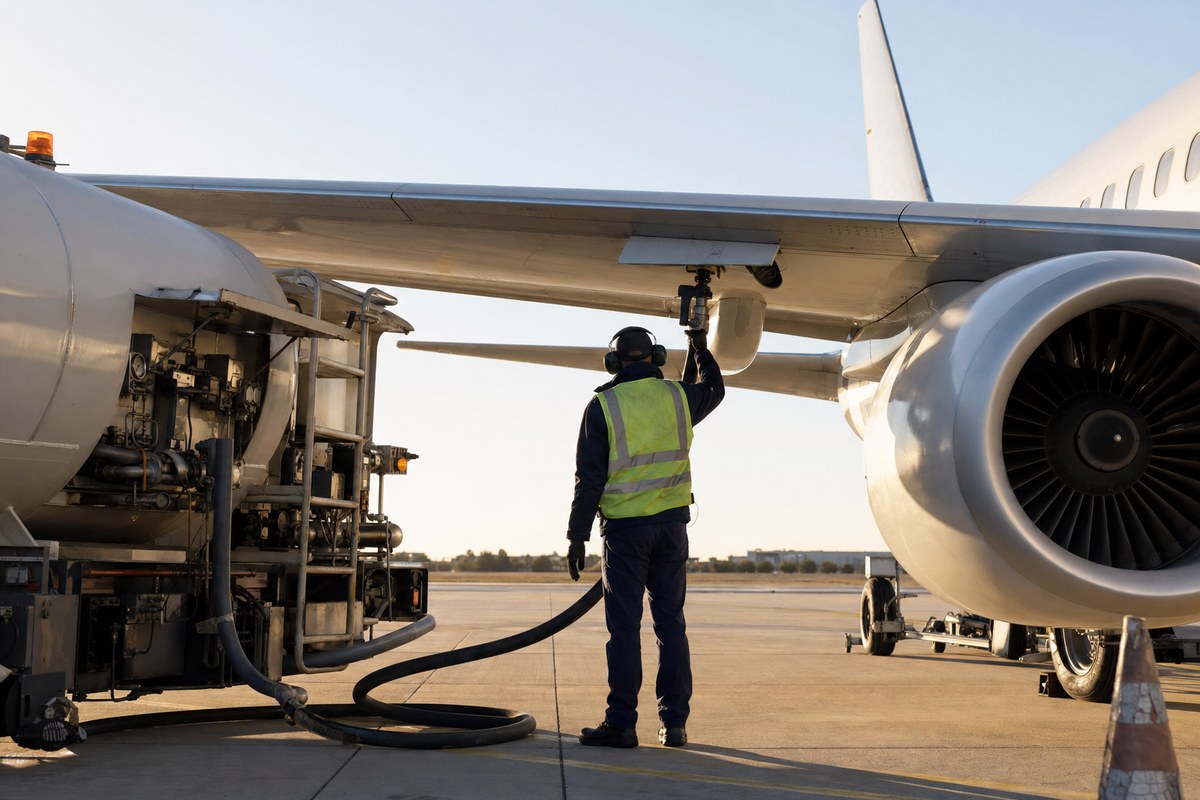
"One of the most important things is the West Asia crisis and how it's putting a big burden on the ATF prices. But, we are still in discussion both with the airlines and also the OMCs. Let us see how the discussion unfolds," Naidu said.
The remarks followed IndiGo's revision of fuel charges for all new bookings made from October 6, citing a sharp rise in ATF costs. The airline said a month-on-month ATF price increase exceeding 14% had pushed fuel costs to among their highest levels in the past decade.
Addressing the symposium, Naidu also said India's UDAN regional connectivity scheme has launched 693 routes over the past 10 years through viability gap funding to airlines operating otherwise commercially unviable routes. On domestic aerospace manufacturing, he said Indian companies currently produce around USD 4 billion worth of aerospace equipment and components, with a government target of reaching USD 10 billion by the end of the decade, and noted that Airbus and Boeing are working with Indian MSMEs to improve product quality and move them up the value chain.
Industry impact & what to watch
Sharp, fast-moving ATF price swings tied to geopolitical disruption in fuel-producing regions are a recurring strain on airline economics, since fuel is typically one of the largest line items in an airline's cost base and carriers have limited ability to hedge against sudden regional supply shocks. When such costs rise quickly, airlines often respond with near-term measures such as fuel surcharges on new bookings rather than waiting for broader fare resets, as IndiGo did with its October 6 charge revision.
Government involvement in these discussions reflects how aviation fuel pricing in markets like India sits at the intersection of oil marketing companies, airline cost structures, and regulatory oversight, with ministers sometimes stepping in to mediate between carriers seeking relief and OMCs managing their own supply costs. The outcome of the talks Naidu described will shape whether airlines absorb further cost increases, pass them to passengers, or receive some form of government-facilitated relief.
Separately, the aerospace manufacturing figures Naidu cited point to a longer-term industrial goal that is independent of the current fuel pressure: growing domestic aerospace component production from roughly USD 4 billion to USD 10 billion by the end of the decade, with Airbus and Boeing cited as partners to Indian MSMEs. What happens next on fuel pricing will depend on how the airline-OMC-government discussions Naidu referenced conclude, and whether other carriers follow IndiGo in revising fuel charges.