Embraer 120 Makes Emergency Belly Landing at Kilimanjaro International Airport After Gear Failure
Why It MattersGear malfunctions on short regional hops underscore how quickly an unresolved mechanical fault can force a diversion and a runway closure, regardless of aircraft size or route length.
What happened
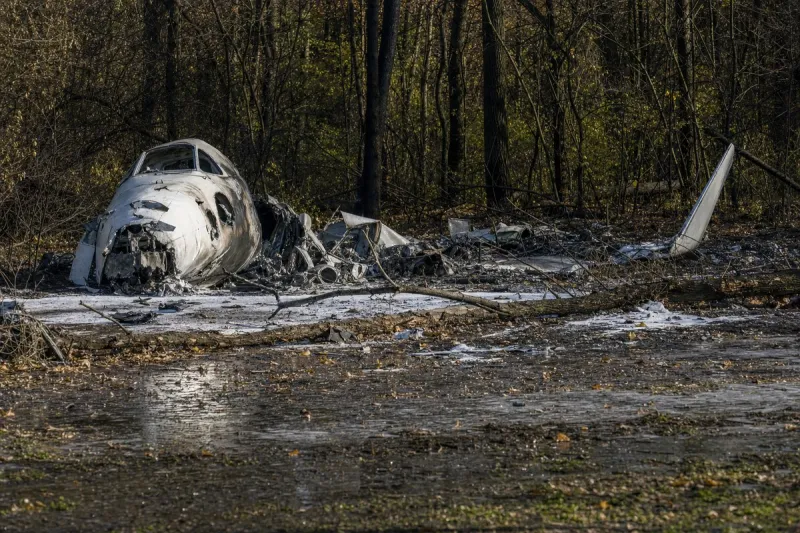
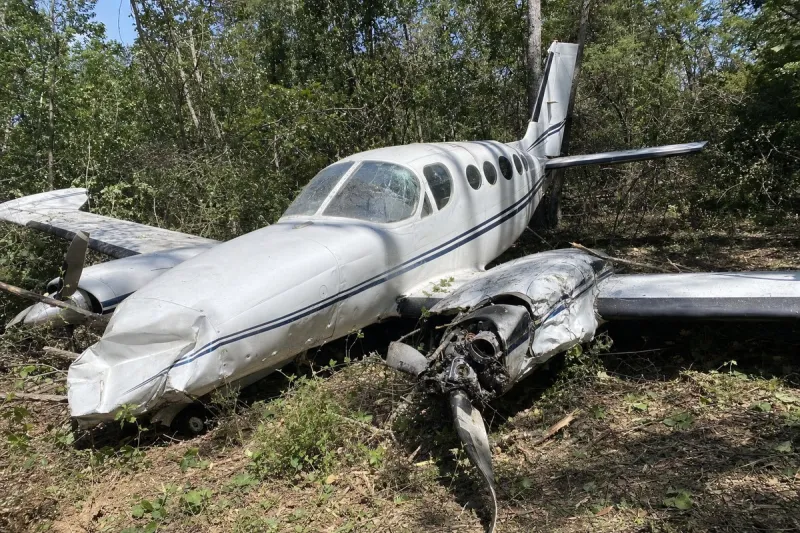
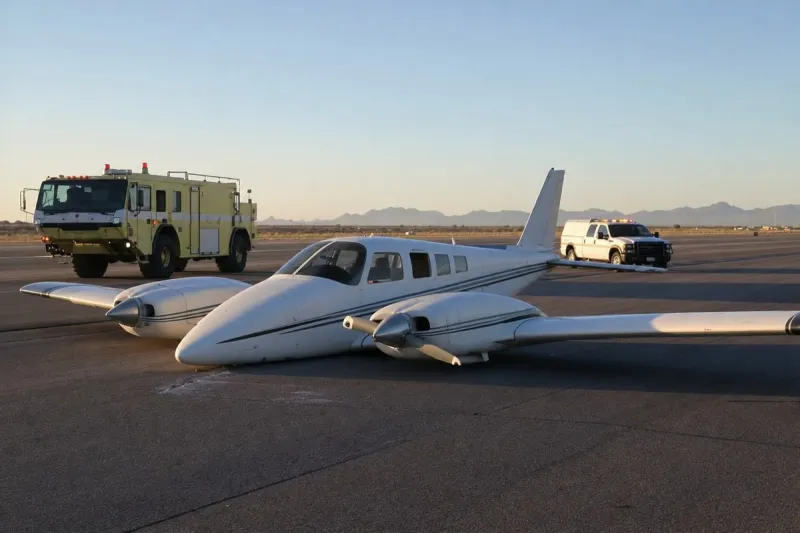
An Embraer 120 aircraft carrying Tanzanian registration 5H-HLL performed an emergency gear-up landing at Kilimanjaro International Airport (KIA) in northern Tanzania on Sunday, October 4, 2026, sometime between 10:00 a.m. and 12:00 noon East African Time. The aircraft was flying from Serengeti to Zanzibar when the crew diverted to KIA after experiencing difficulty deploying the landing gear.
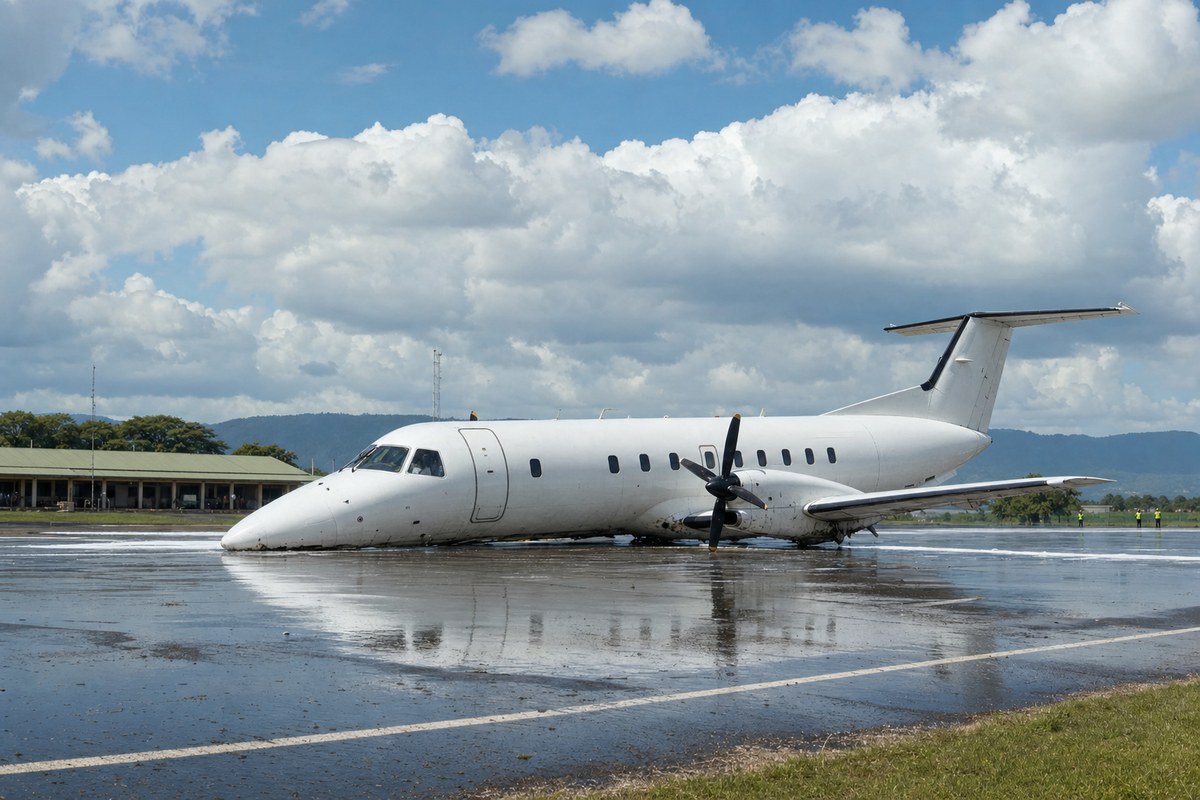
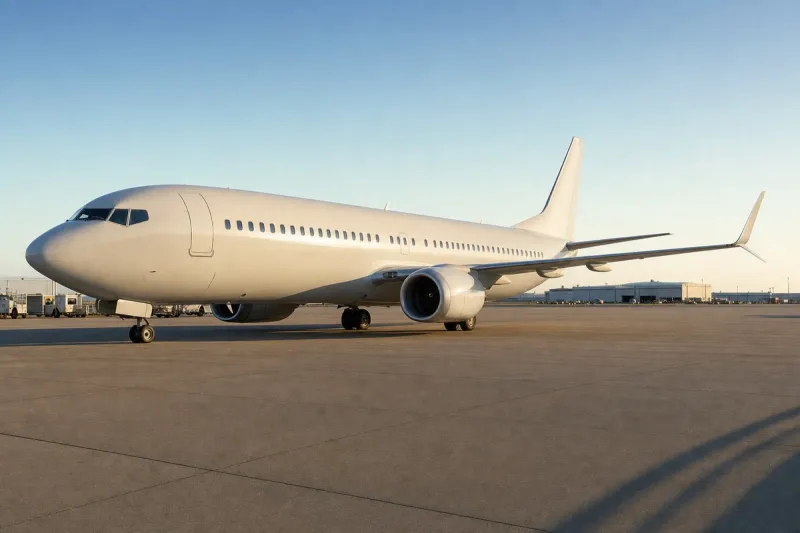
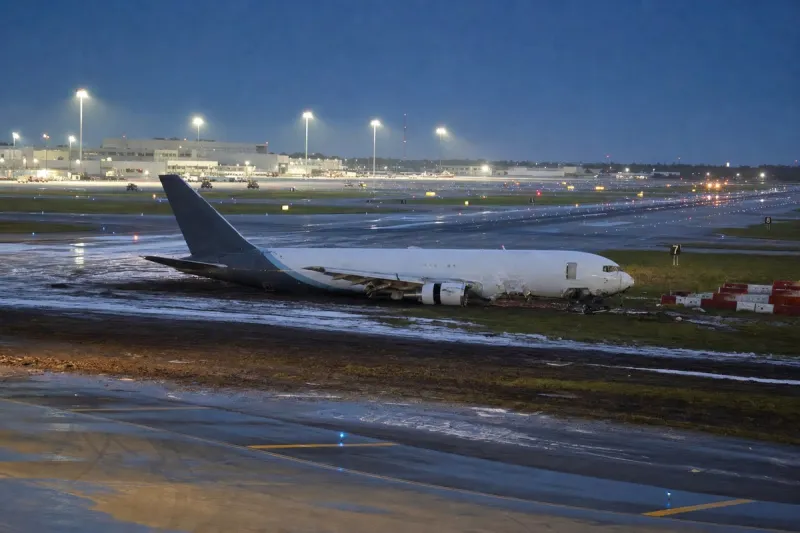
Video footage showed the white, unmarked aircraft sliding along the terminal runway on its belly. The aircraft is owned by a company based in Zanzibar. Reports indicate the aircraft may have struck a zebra during takeoff from Serengeti prior to the incident. No casualties have been reported, and no injuries have been confirmed among those aboard.
The identity of the operator and the number of people on board have not been confirmed. Tanzania's Civil Air Accident Investigation Branch (TCAAIB) has opened an investigation and is expected to release findings at a later date. Kilimanjaro International Airport sits between the Arusha and Kilimanjaro regions, roughly 45 kilometres from Arusha City and less than 50 kilometres from Mount Kilimanjaro.
Industry impact & what to watch
Gear-up landings on regional turboprops are a recurring category of mechanical event, and the key variable is always whether the crew gets early warning and enough runway to manage the belly landing safely, as appears to have happened here. A wildlife strike during takeoff — if confirmed as the trigger — would point to a ground hazard common at airstrips bordering open parkland like Serengeti, where animal incursions on or near runways are an operational risk distinct from mechanical wear.
For regional operators flying into bush and safari airstrips, this case is a reminder that gear systems and the strips they operate from both carry risk profiles that differ from paved commercial hubs, and that a single incident can take a runway at a connecting hub like Kilimanjaro temporarily out of service. The TCAAIB investigation will determine whether the gear failure stemmed from a mechanical fault, a strike-related malfunction, or another cause.
What happens next depends on TCAAIB confirming the operator, the number of people aboard, and whether the zebra strike is substantiated as the originating event.