Indonesia Seizes Three Aircraft Engines Worth $1.6 Million Allegedly Smuggled from Singapore into Batam
Why It MattersThe case highlights how used aviation parts moving through regional transshipment hubs without matching customs declarations can sit undetected for months before enforcement catches up with the paper trail.
What happened
Indonesian police in the Riau Islands seized three aircraft engines allegedly smuggled from Singapore, intercepting them in Batam as they were being moved between warehouses. Four people have been named as suspects in the case. The engines are valued at approximately Rp30 billion (about $1.6 million).
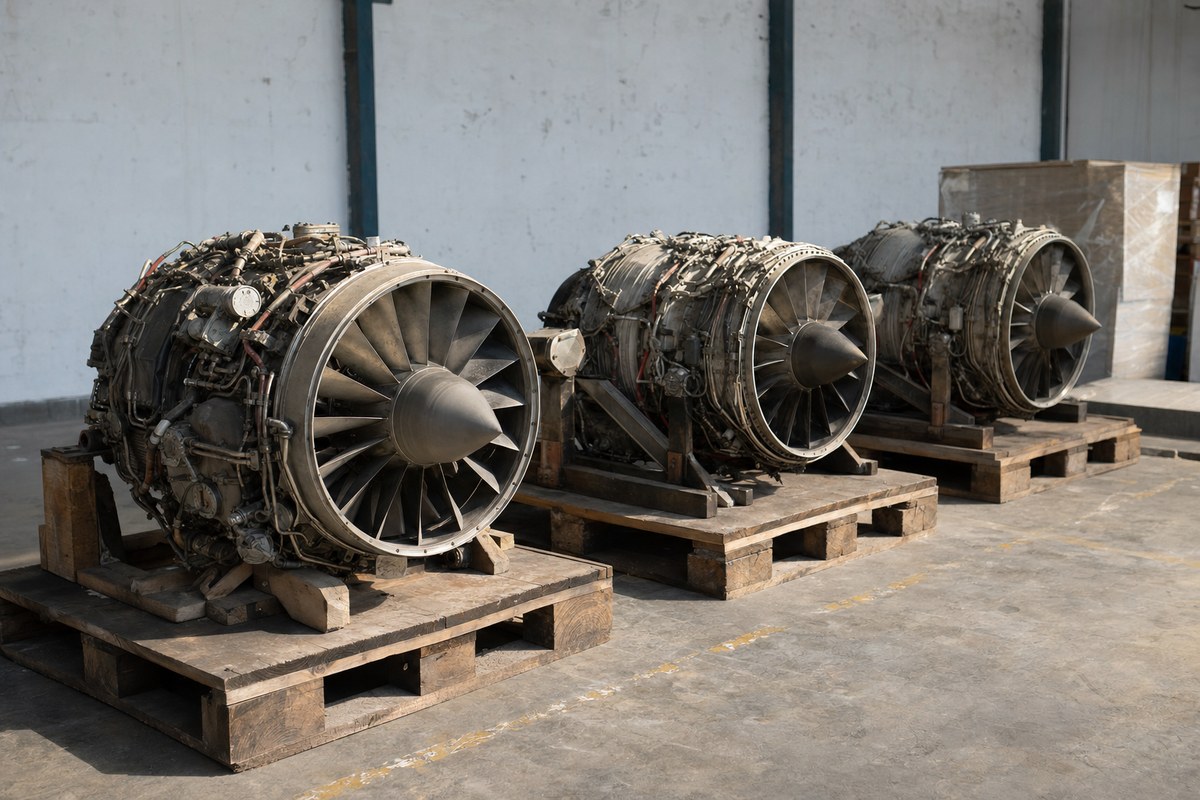
Investigators found no corresponding import declaration in the customs system for the shipment, despite evidence that the engines had entered Batam from Singapore. The engines remained in Batam for approximately seven months before authorities acted. Police said some companies identified in documents connected with the engines appeared to no longer be operating, and authorities are investigating the shipping manifest and transportation arrangements. The engines were intended to be transported onward to Jakarta for sale or use as aircraft spare parts.
The case centers on Indonesia's restrictions on imports of used goods: under Indonesian trade law, imported goods must generally be new unless they qualify for an authorized exception and meet applicable import requirements. Authorities allege the used engines were brought into the country without the necessary authorization or customs procedures, and investigators are examining possible irregularities in documentation associated with the shipment. Authorities have not publicly identified the engine manufacturer, model, serial numbers, or previous operator, and investigators indicated that additional suspects could be identified as the investigation continues.
Industry impact & what to watch
This case sits within a broader pattern of used aircraft parts moving across regional borders through free-trade or transshipment zones where customs scrutiny can lag behind physical movement of goods. Batam's proximity to Singapore and its role as a logistics waypoint make it a point where documentation gaps between jurisdictions can go unnoticed for extended periods before enforcement intervenes.
Indonesia's requirement that imported goods generally be new, absent an authorized exception, creates a specific compliance burden for used engines and spare parts moving through the country, since sellers and buyers must secure the right authorization before a shipment clears customs rather than after. When companies named in shipping documents turn out to be no longer operating, it points to weaknesses in how import paperwork is verified against the actual status of the parties involved.
What happens next depends on whether investigators can trace the engines back through the shipping manifest to identify who arranged the transport and whether additional suspects are named, as authorities have indicated is possible. The absence of confirmed engine type, manufacturer, or serial numbers also leaves open how this shipment would have been absorbed into the spare-parts market in Jakarta had it gone undetected.