Alkagesta CEO Comments to Bloomberg on NATO CEPS Pipeline Fuel Disruptions to European Airports
Why It MattersThe episode shows how shared military-civilian pipeline infrastructure can create fuel supply fragility for European airports whenever defense-linked demand is prioritized during geopolitical strain.
What happened
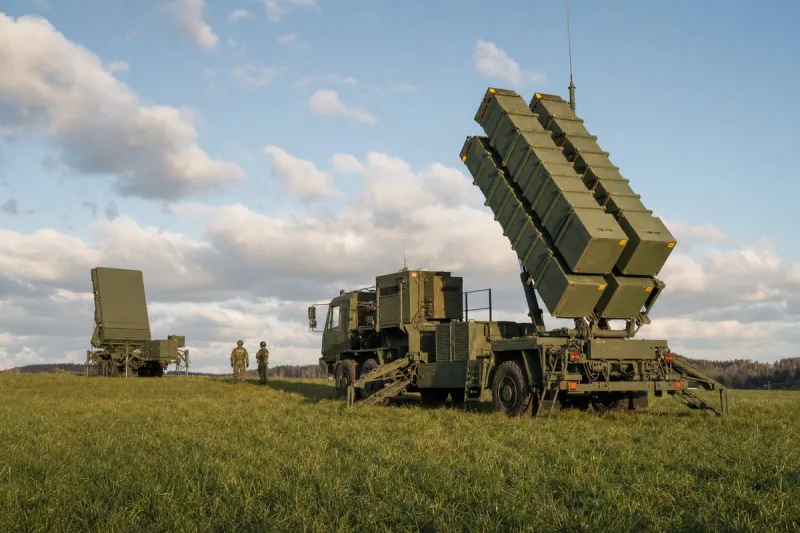
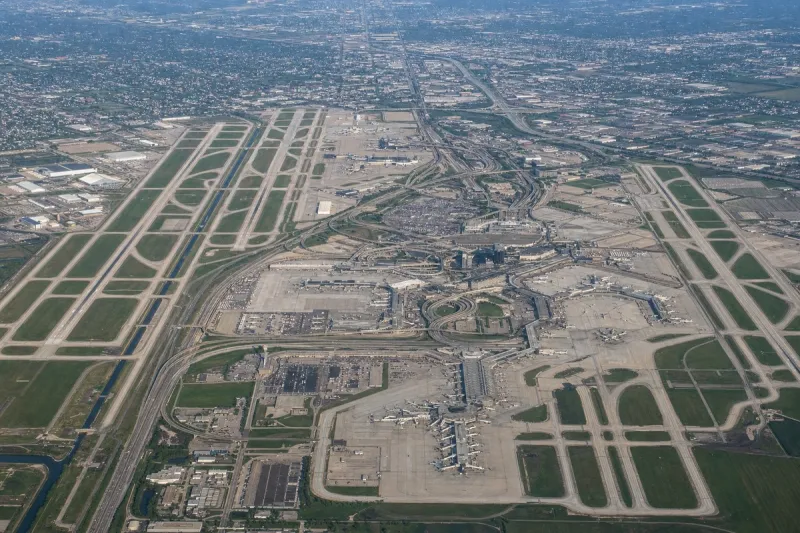
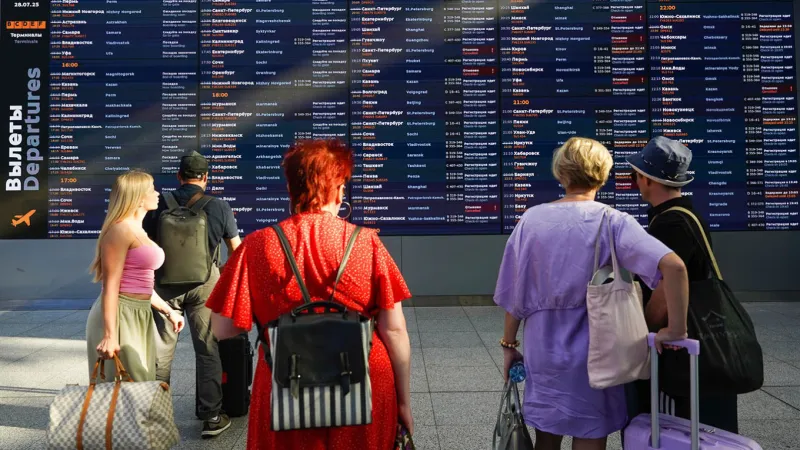
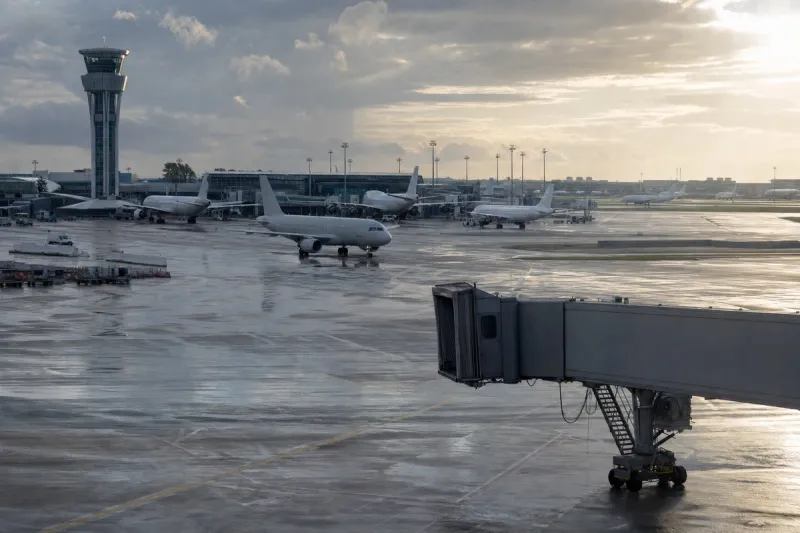
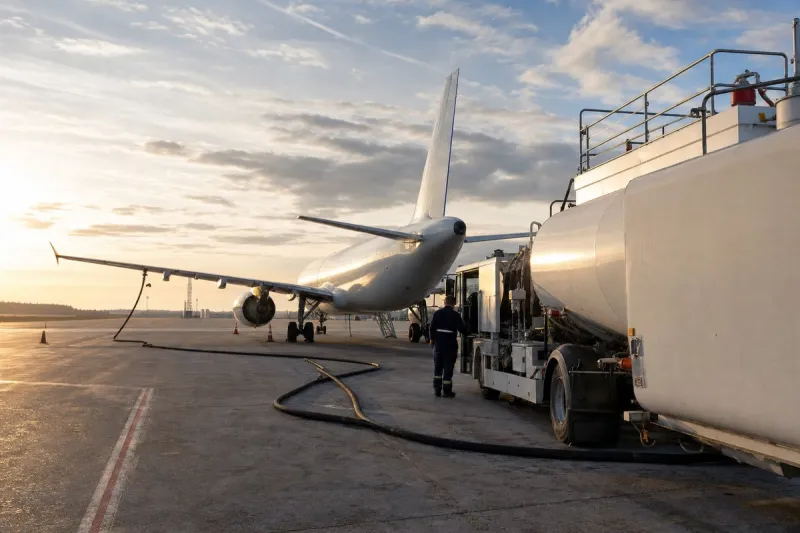
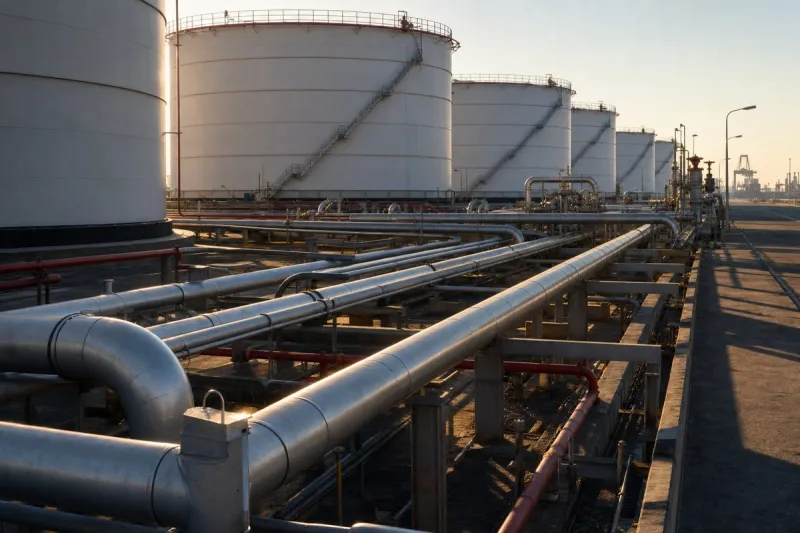
Alkagesta CEO Rustamov was quoted in Bloomberg coverage examining how increased military use of the NATO Central Europe Pipeline System (CEPS) has constrained civilian jet fuel deliveries to key European airports. Rustamov said: "Extra volumes of military-grade jet fuel were put into the system, pushing out some civilian supplies and reducing deliveries to key European airports."

The comments carry particular relevance given Alkagesta's own role as a jet fuel supplier through the NATO CEPS pipeline, having secured access to the system earlier in 2026. The Bloomberg coverage forms part of a broader series on how geopolitical tensions are affecting European aviation fuel markets and global energy supply chains.
Alkagesta is an energy and commodity trading company headquartered in Malta, established in 2018. It operates 17 offices worldwide, maintains partnerships with 28 international banks, and trades in more than 48 countries, facilitating 8.7 million tonnes of commodity flows annually. Its logistics network includes access to more than 700,000 cubic metres of storage capacity across Europe and Asia, and the company employs 167 professionals.
Industry impact & what to watch
This case illustrates a pattern particular to shared-use energy infrastructure: when a pipeline system serves both military and civilian customers, a surge in defense-linked demand can displace commercial allocations without any change in the civilian contracts themselves. Jet fuel delivered to airports via pipeline networks like CEPS depends on throughput capacity being shared across users with different priority tiers, and military-grade volumes entering the system during periods of geopolitical strain can reduce what reaches civilian storage and airport fuel farms.
For European aviation fuel markets, the exposure runs through suppliers like Alkagesta that hold access to CEPS, meaning disruptions upstream in shared pipeline capacity can surface downstream as reduced deliveries at airports rather than as a pricing event alone. Whether this remains episodic or becomes a recurring constraint will depend on how military fuel demand on the system evolves alongside the geopolitical tensions driving it, a dynamic that Bloomberg's broader series on European fuel markets is positioned to track.