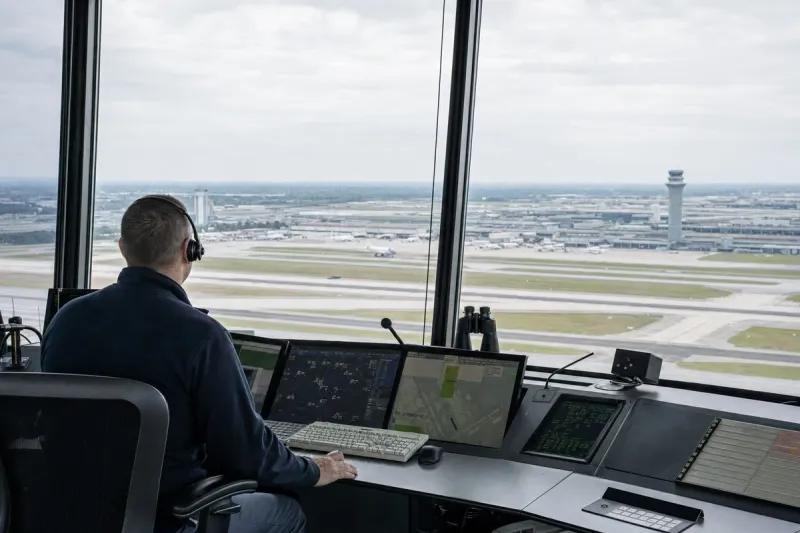
Russian Summer Passenger Traffic Falls 7% as Ukrainian Drone Attacks Disrupt Airports
Why It MattersWhen airspace restrictions and safety disruptions force carriers to cut routes rather than capacity outright, traffic can fall even as regulators insist operations remain normal, complicating any read on true demand.
What happened
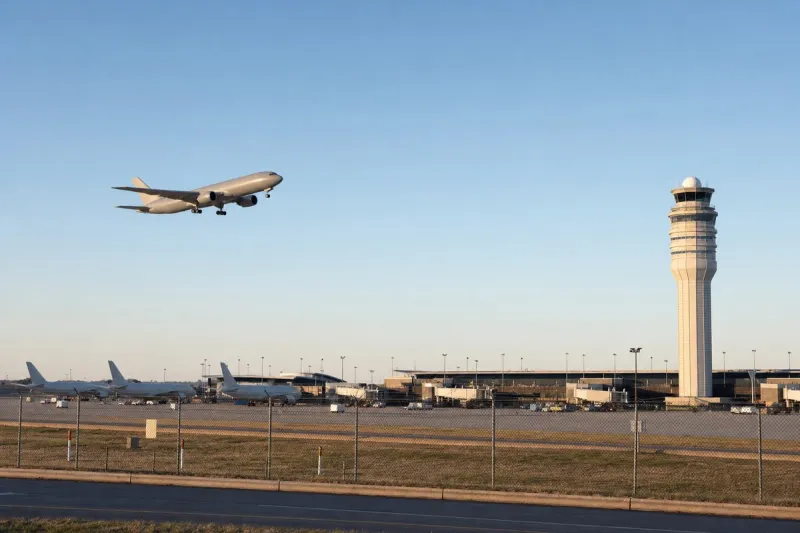
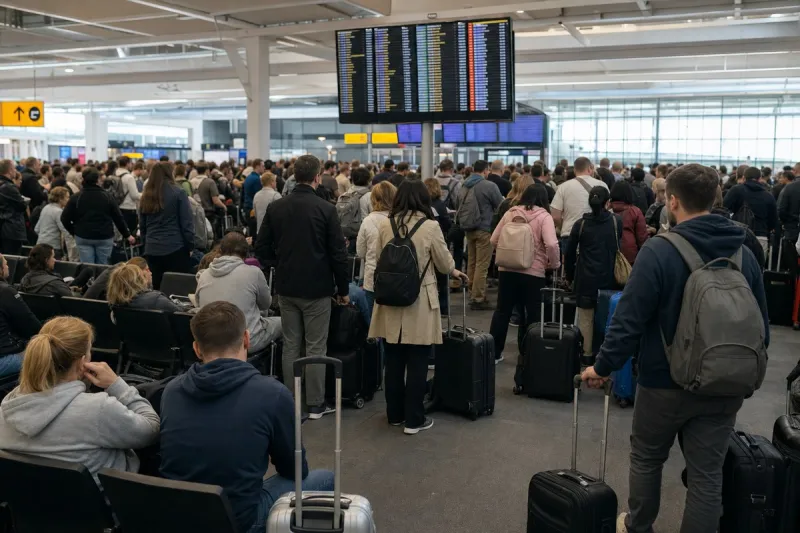
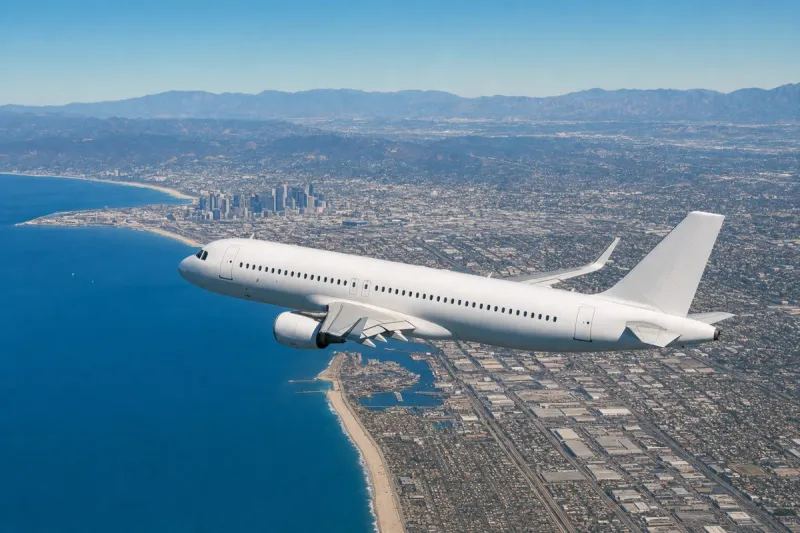
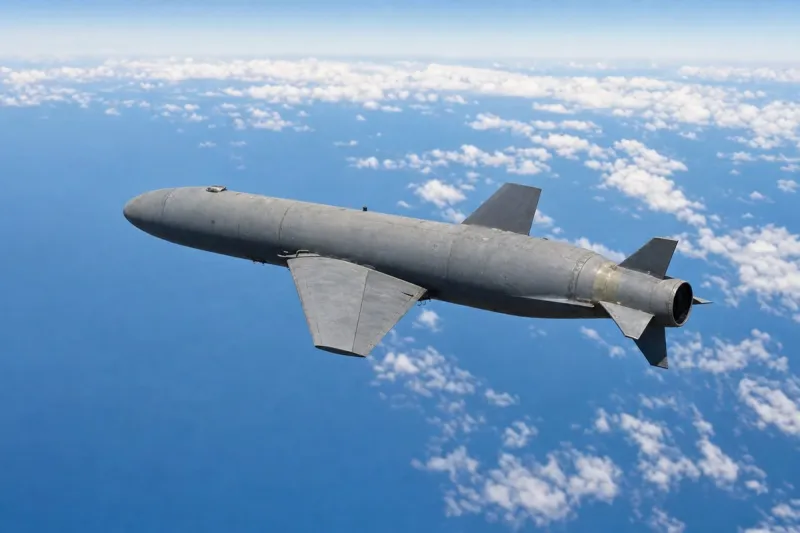
Russian airlines carried 39.5 million passengers between May and August, a 7% decline from approximately 42.6 million passengers transported over the same period the previous year, Rosaviatsia chief Dmitry Yadrov told Prime Minister Mikhail Mishustin. The decline comes amid near-daily disruptions at Russian airports linked to Ukrainian drone attacks.
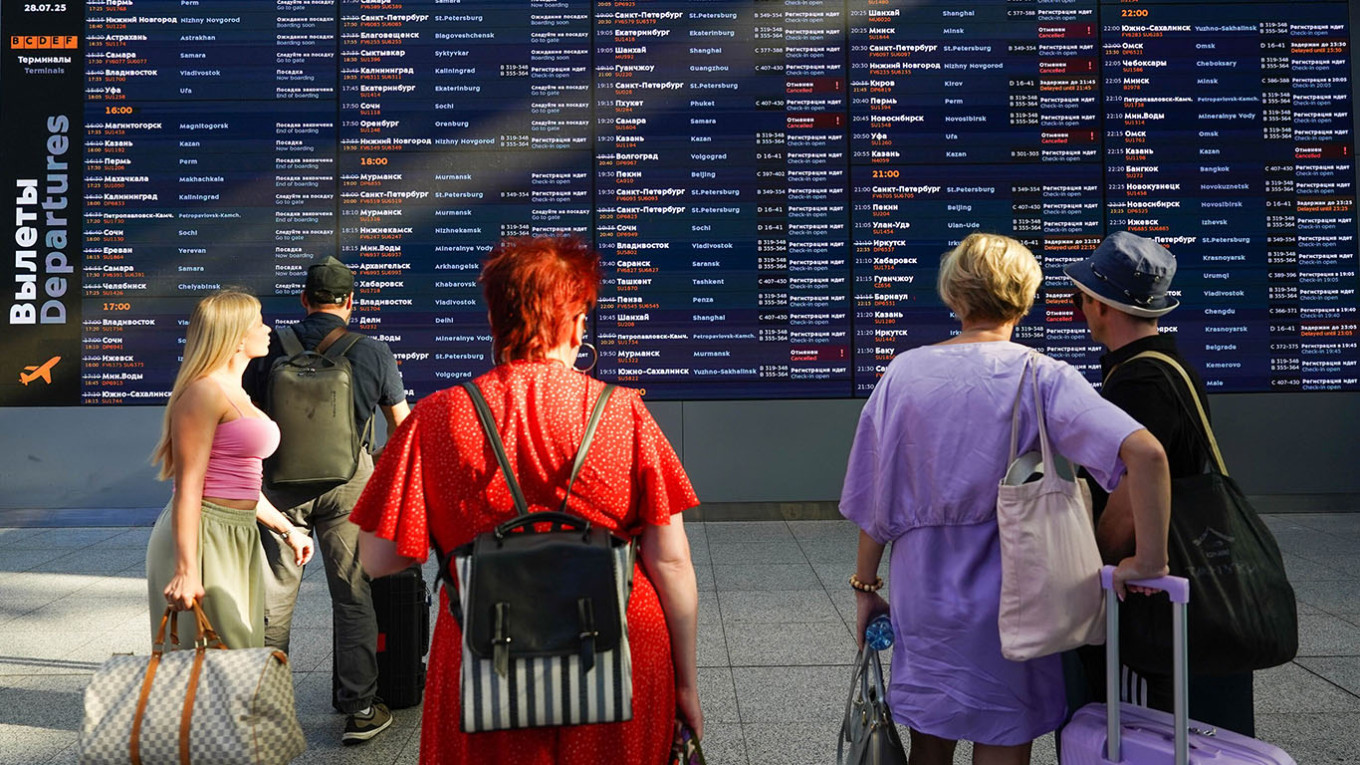
Yadrov told Mishustin that the industry as a whole had operated "normally, reliably and safely," adding that the difficulties were primarily related to restrictions on the use of airspace. Ukrainian President Volodymyr Zelensky warned foreign airlines and insurance companies that Ukrainian drones made Russian airspace dangerous; Rosaviatsia pledged to work to prevent any disruption to civil aviation.
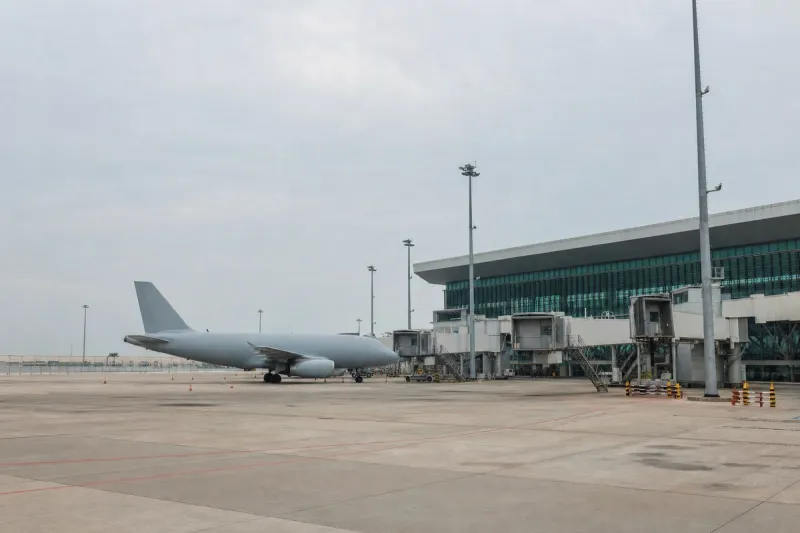
Russia's Economic Development Ministry projects total passenger traffic will reach 108.5 million in 2026, down 0.3% year-on-year, citing "systemic constraints" including difficulties in maintaining foreign-made aircraft and prolonged airport closures in southern Russia. Aviation experts have warned that demand could fall further if the government proceeds with proposed passenger surcharges intended to offset rising aircraft leasing costs and jet fuel prices. Kommersant reported the proposed fees could generate between 68 billion and 84 billion rubles ($807 million to $997 million) annually.
Industry impact & what to watch
The pattern here is airspace risk translating directly into traffic numbers rather than into headline safety incidents: airports close or curtail operations, routes get cut or delayed, and passenger volumes fall even while regulators describe the system as functioning normally. That distinction matters for how the segment is read from outside — a 7% drop over four months signals reduced capacity and confidence, not necessarily a breakdown in operational safety.
Domestic aviation economics in Russia also show a second pressure building alongside the drone disruptions: proposed passenger surcharges of 68 billion to 84 billion rubles ($807 million to $997 million) a year aimed at offsetting leasing and fuel costs. Layering a demand shock from airspace disruption with a price increase designed to fund the same strained system is the kind of compounding risk that aviation economists flag as self-reinforcing — higher fares on top of route cuts can suppress the traffic base the surcharge is meant to tax.
What happens with the 2026 full-year figure, projected at 108.5 million passengers, down 0.3% year-on-year, will show whether the summer decline is a seasonal dent or the start of a longer contraction. The government's decision on whether to proceed with the surcharge proposal is the next concrete marker to watch.