Al-Nujaba Chief Threatens Airport Sit-In If Iraq-Iran Flight Restrictions Not Lifted
Why It MattersThe episode shows how bilateral flight restrictions tied to geopolitical pressure can become flashpoints for domestic political mobilization, adding operational risk beyond routine airspace or slot disputes.
What happened
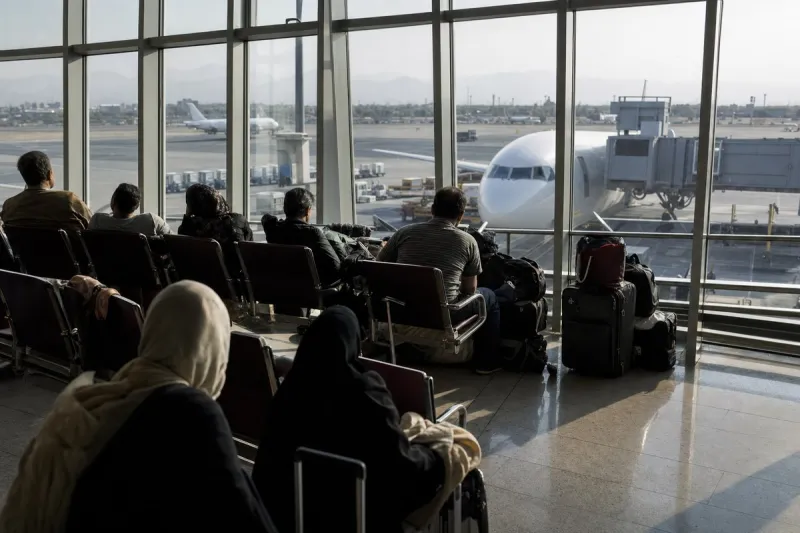
Sheikh Akram al-Kaabi, Secretary-General of Iraq's Al-Nujaba Islamic Resistance Movement, threatened to mobilize supporters to stage sit-ins at Iraqi airports if flight restrictions between Iraq and Iran are not lifted. He made the remarks while speaking to Iraqi political groups across various factions.
Al-Kaabi criticized what he described as "American domination" over Iraq, saying the continuation of flight restrictions was unacceptable. He argued that the restrictions amount to participation in "an unjust blockade" that prevents millions of citizens of both countries from visiting holy sites and harms Iraq's economy.
Industry impact & what to watch
Threats of airport sit-ins tied to bilateral flight restrictions illustrate how aviation links between Iraq and Iran can be pulled into wider political disputes over sovereignty and outside influence, turning a routine airspace or scheduling matter into a public mobilization issue. In markets where flight permissions between two countries are politically sensitive, restrictions are rarely just technical or safety-driven decisions — they can carry weight as symbols of broader alignment, and threats to disrupt airport operations become a form of political leverage rather than an aviation dispute alone.
What happens next depends on whether Iraqi authorities respond to al-Kaabi's demand, and whether any sit-in actually materializes at named Iraqi airports. Statements from Iraq's civil aviation authority or government on the status of the flight restrictions would carry the most weight in determining whether this pressure campaign affects actual operations.