Fragmented Middle East Airspace and Active Asia-Pacific Disaster Season Raise Charter Aviation Risk
Why It MattersFragmented airspace status and a wider disaster footprint push charter and business-aviation planning toward day-of-operation verification and rostering slack rather than fixed route assumptions.
What happened
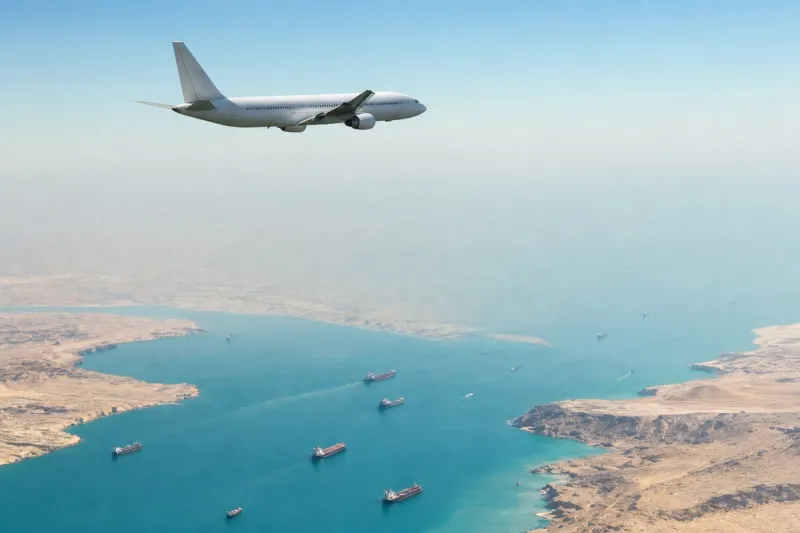
Iran has reopened the eastern portion of the Tehran FIR (OIIX) to international overflights at cruising levels by NOTAM, as of September 2026, while the western portion remains closed to international overflights; the eastern sector also carries a live advisory against use despite being technically available. Operators are advised to treat state AIP notices, NOTAM publications, EASA bulletins, FAA notices and the Flight Service Bureau's Safe Airspace database as controlling references and to recheck status on the day of operation. Displaced traffic is being absorbed by the Baghdad, Kuwait, Bahrain, Emirates, Jeddah, Cairo, Ashgabat and Tashkent FIRs.

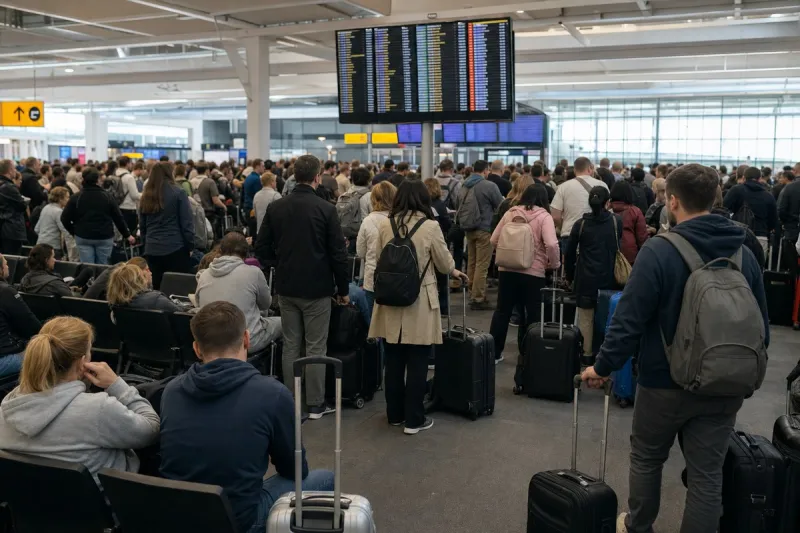
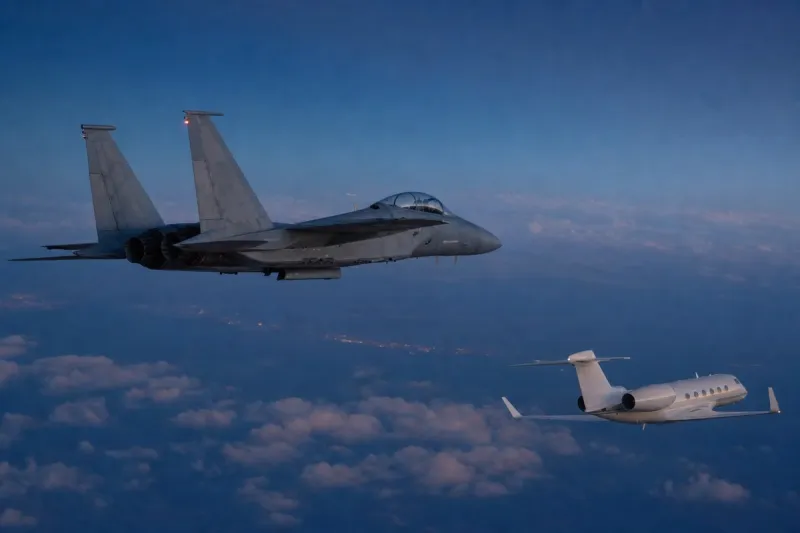
When the conflict began on 28 February 2026, Qatar, Bahrain, Iraq, Israel, Kuwait, Syria and the UAE closed their skies simultaneously. IATA reported approximately 85 percent of flights departing or arriving at Gulf airports were cancelled during the first seven days of March; one summary cites more than 4,000 flights per day cancelled across the region, and Qatar Airways' chief executive described tens of thousands of flights cancelled during the temporary closures. Spirit Airlines ceased operations on 2 May 2026 after higher fuel costs compounded existing difficulties. Iranian-backed Iraqi militias have repeatedly attacked US military bases in Iraq and neighbouring countries since the conflict began; Iranian-supported Houthis have conducted hostilities against Saudi Arabia including civilian airports; and US officials report Iran has downed at least two American drones in recent days.
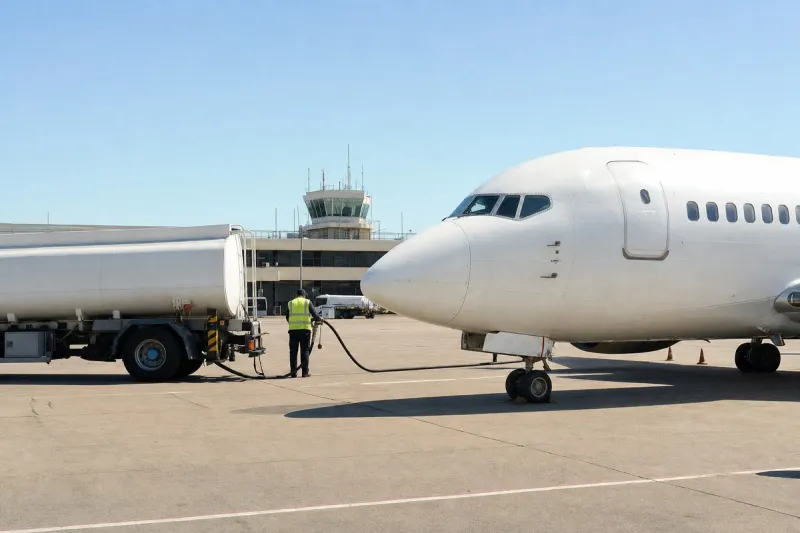
US Treasury Secretary Bessent warned that operators cannot supply fuel, landing services or ticketing to affected carriers without losing access to the US dollar system. Iraq's Najaf airport has suspended all Iranian flights, and Iraqi government sources indicate Baghdad will stop Iranian airlines operating in the country. Emirates has ceased flights to Tehran; Lufthansa and Austrian Airlines have suspended Iran services until at least 24 October 2026 without guaranteeing resumption; Turkish Airlines has suspended flights to Iran until at least March 2027. The Strait of Hormuz remains closed until Tehran's stated conditions are met — lifting the US naval blockade, release of frozen Iranian assets and an end to hostilities — with Qatari and Pakistani mediators conveying terms; Tehran has proposed a seven-day roadmap to reopen the strait, and US Central Command reports it has redirected 122 commercial vessels to enforce the blockade. US embassies across the Middle East have issued security alerts advising Americans to seriously reconsider travel to and through the region. IFALPA has published a position paper stating a captain's refusal to fly through a conflict zone must be final and non-negotiable, citing the Iran conflict and the MH17 precedent.
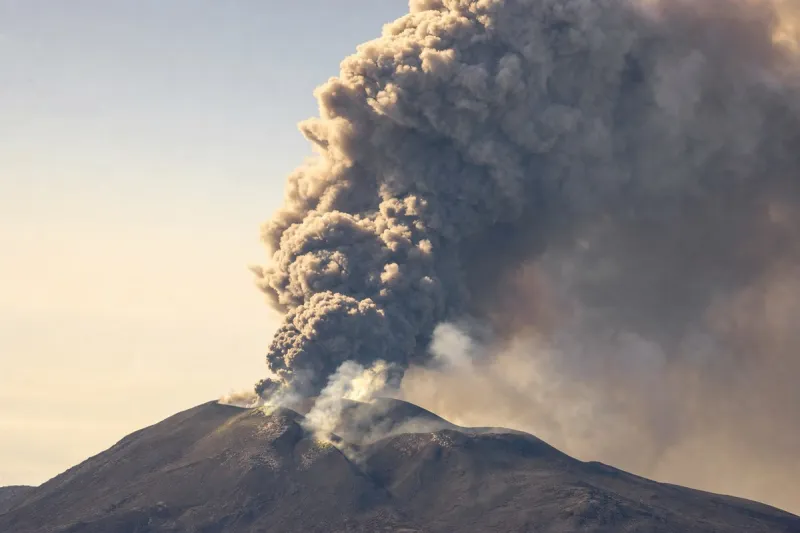
In the Asia-Pacific, Typhoon Dujuan struck eastern Japan, causing landslides, power outages, travel disruption and evacuation orders affecting millions including the Tokyo area; casualty reports conflict, with figures of at least four killed in one account and at least six killed, six missing and more than 470 buildings damaged in another. A disaster has been declared over heavy-rain flooding in Bangkok, wildfires continue in Indonesia, and northern Nepal and the China–Tibet border remain in recovery after a glacial collapse on 26 August that killed at least 1,453 people. Japan's Financial Services Agency reported in August that reinsurers have grown more cautious and non-life underwriting is tightening, calling the trend irreversible. FCDO guidance currently flags 72 of 226 countries and territories as containing no-go zones.
How it unfolded
Turkish Airlines' Iran flight suspension horizon is reached.
Lufthansa and Austrian Airlines' Iran suspension decision point arrives.
EASA Tehran FIR bulletin is set to expire.
Iran reopens the eastern Tehran FIR to international overflights by NOTAM while the western portion stays closed.
Glacial collapse on the Nepal–China/Tibet border kills at least 1,453 people.
Spirit Airlines ceases operations after higher fuel costs compound existing difficulties.
Conflict begins; Qatar, Bahrain, Iraq, Israel, Kuwait, Syria and the UAE close their skies simultaneously.
Industry impact & what to watch
This is a case of two independent risk clusters compounding rather than one crisis with a single edge: a war-driven airspace and sanctions patchwork over the Middle East sitting alongside an active Asia-Pacific disaster season and a forecast strong El Niño. Neither cluster behaves like a binary go/no-go signal — the Tehran FIR itself is split into an open eastern sector under active advisory and a closed western sector, so a single "Iran is closed" or "Iran is open" label misrepresents the actual operating picture.
For charter and business aviation, this shows how routing risk now has to be assembled from multiple live sources — state AIP notices, NOTAMs, EASA bulletins, FAA notices and services such as Safe Airspace — checked on the day of operation rather than assumed from the prior week's status, because the February 2026 precedent shows how fast that can change: roughly 85 percent of Gulf airport flights were cancelled in the first week once seven states closed their airspace simultaneously. Alternates absorbing displaced traffic, including airports near Iraqi militia and Houthi activity, require ground-risk assessment beyond runway length and fuel availability, and sanctions exposure through the US dollar system adds a compliance layer to any fuel, handling or ticketing arrangement touching affected carriers.
Crew willingness is now a planning variable in its own right: IFALPA's position that a captain's refusal to fly a conflict zone is final means rostering has to build in slack rather than treat crew availability as fixed. On the disaster side, tightening non-life underwriting flagged by Japan's regulator signals that insurance terms for Asia-Pacific operations may firm further as the typhoon season continues under strengthening El Niño conditions. The next fixed markers are the EASA bulletin's 30 September expiry, the 24 October decision point for European carriers, and whether the proposed seven-day roadmap on the Strait of Hormuz advances or collapses.