Iraq and Iran Give Contradictory Accounts on Resumption of Flights to Najaf
Why It MattersWhen flight suspensions arise from ground handlers withdrawing services under sanctions threat rather than a government order, resumption depends on private risk decisions, not diplomatic agreement alone.
What happened
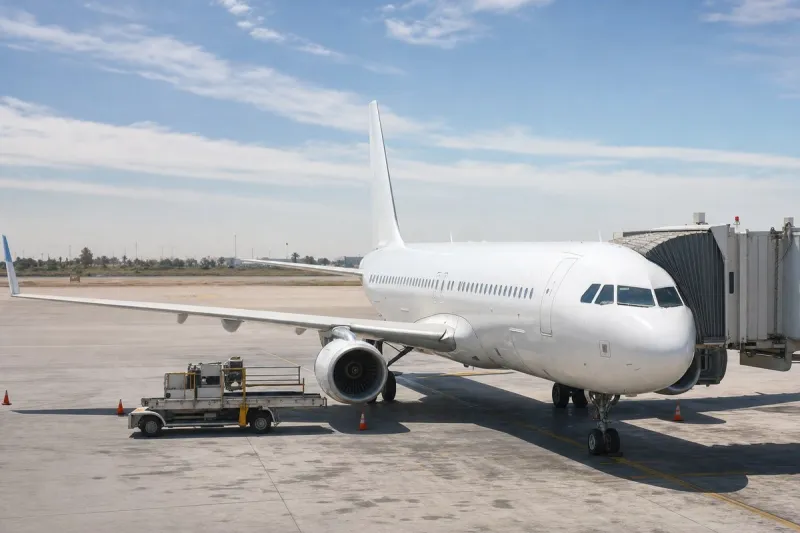
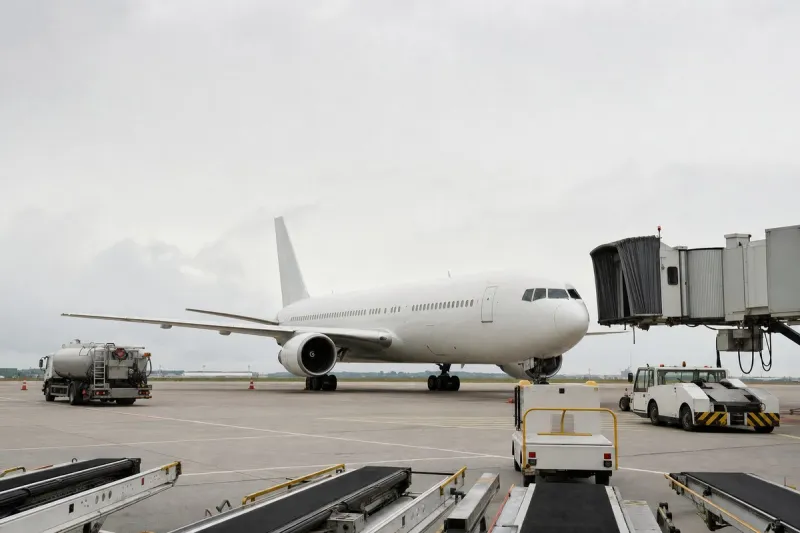
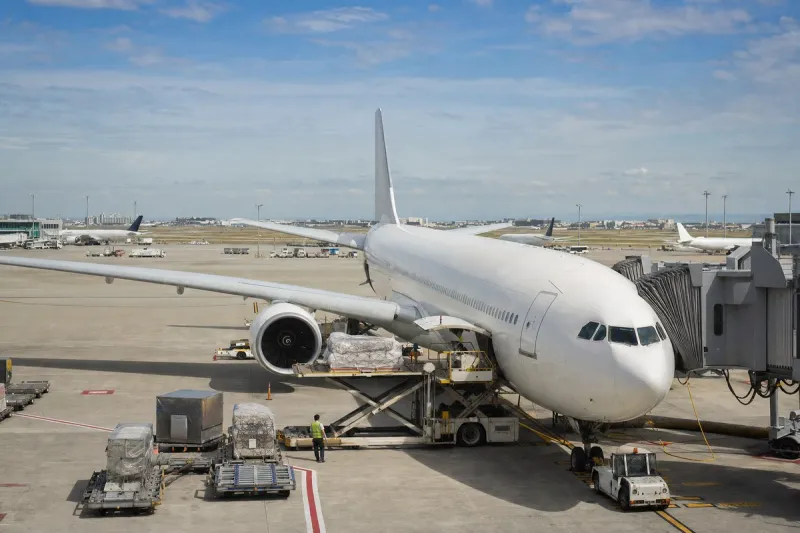
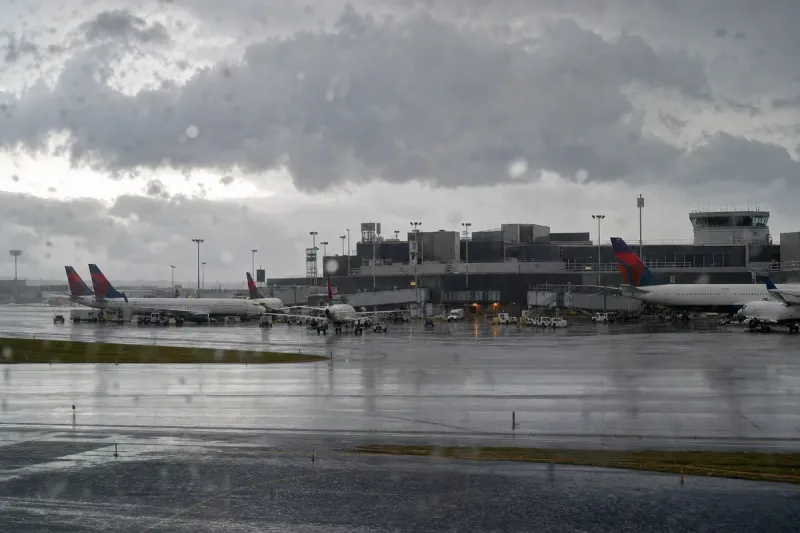
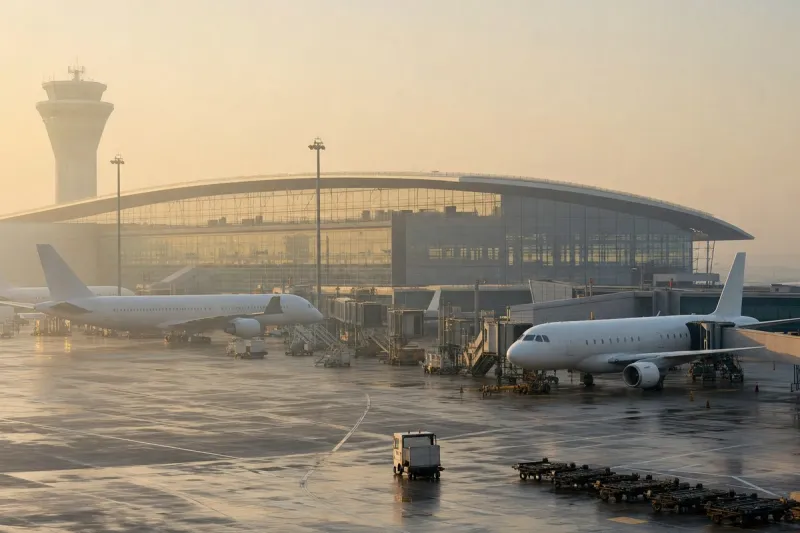
Iraq's ambassador to Iran, Yasser Abdul Zahra Hajaj, told the Iraqi official news agency WAA on Monday that Najaf International Airport would reopen to Iranian aircraft within less than 24 hours, saying the government of Prime Minister Ali al-Zaidi had intensified diplomatic and administrative efforts to restore air links between the two countries. He clarified that no formal Iraqi government decision had ever been issued to suspend flights with Iran; instead, foreign ground service companies operating at Iraqi airports had voluntarily withdrawn from servicing Iranian aircraft.
Abouzar Shirudi, head of Iran's aviation organization, told Iranian media that no formal document regarding the resumption of flights had yet been received from Baghdad. He said negotiations with the Iraqi side were continuing and urged Iranian citizens to verify the actual status of flights before purchasing tickets.
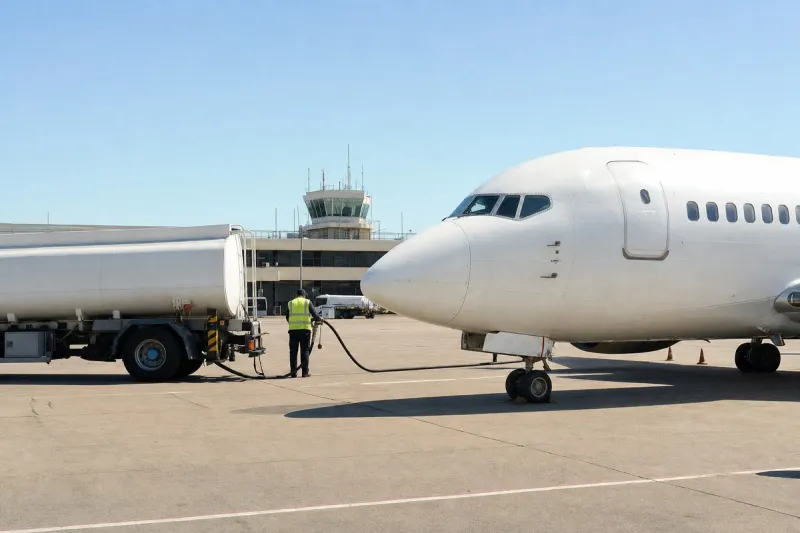
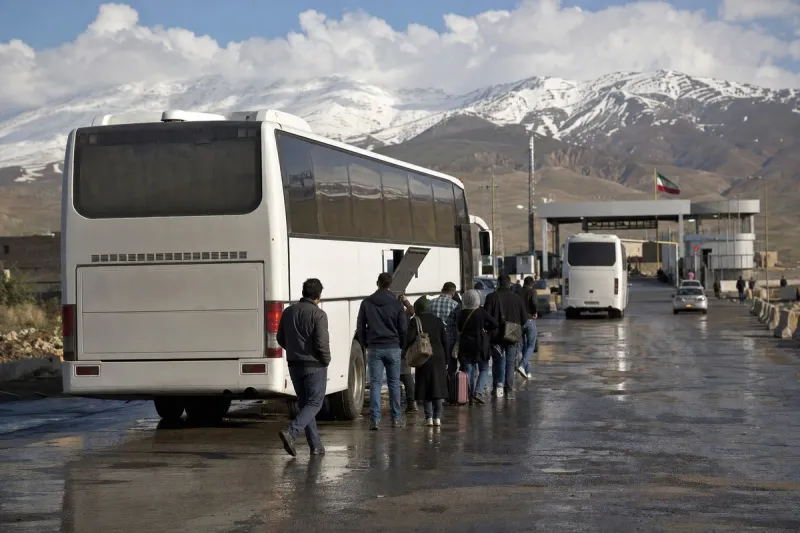
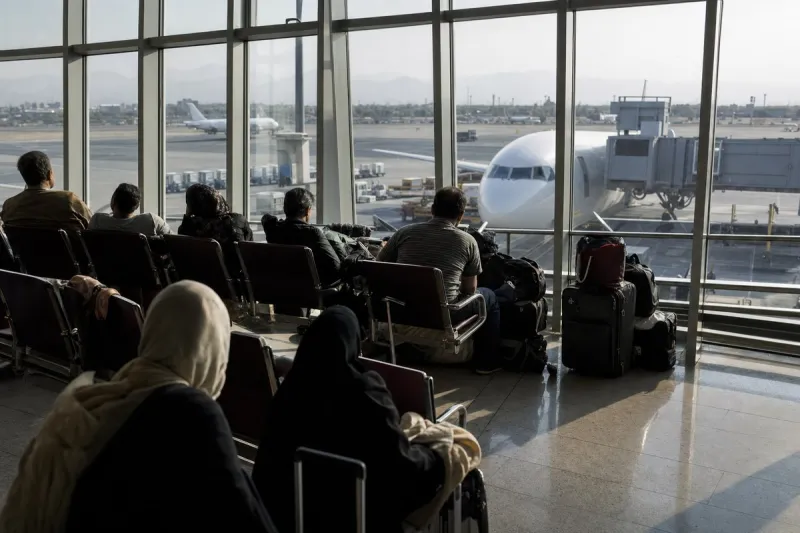
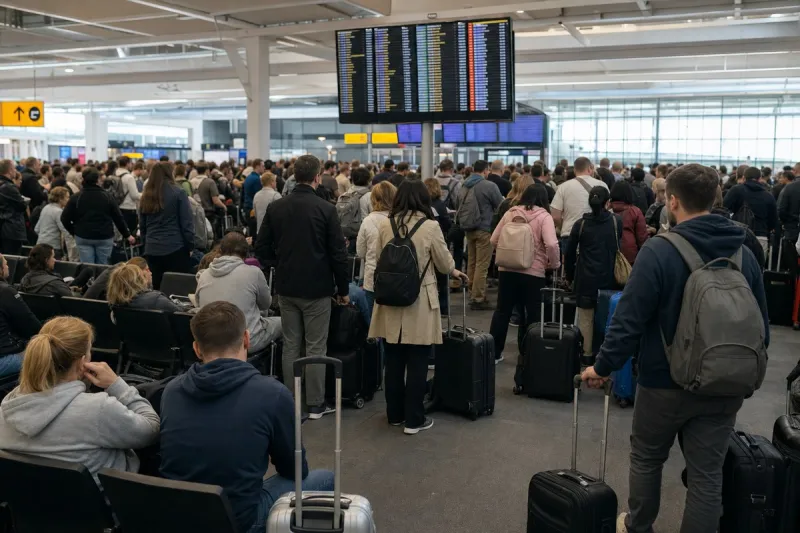
The flight suspensions extend beyond Iraq: the UAE, Oman, Georgia, and Azerbaijan have also suspended flights with Iran. This follows a September 22 announcement by US Treasury Secretary Scott Bessent warning that any entity providing fuel, landing services, or ticketing to Iranian aircraft would be excluded from the US dollar system. Mahan Air's Iraq and Kurdistan Region director, Sarsang Mahmoud, confirmed to Kurdistan 24 on Saturday that more than 1,000 Iraqi and Kurdistan Region citizens are stranded in Tehran and unable to return home, including over 300 from the Kurdistan Region, many of whom are ill or recovering from surgery and cannot travel by road or bus.
Why the two governments disagree
The gap between the ambassador's 24-hour timeline and the Iranian aviation authority's denial of having received any formal documentation points to the underlying mechanism: because the suspension was never created by a government decision, it cannot be reversed by one either. The core obstacle — foreign ground service companies withdrawing their services under threat of exclusion from the US dollar system — remains unresolved, which is why diplomatic assurances from Baghdad have not yet translated into confirmed schedules from Tehran.
Industry impact & what to watch
This case shows how a sanctions threat aimed at financial exposure, rather than a direct flight ban, can still ground an entire route network: ground handlers, fuel suppliers and ticketing agents make independent commercial decisions to avoid US dollar system exclusion, and no single government order can undo that calculation. The same dynamic has already produced suspensions in the UAE, Oman, Georgia, and Azerbaijan, suggesting the exposure applies broadly to any jurisdiction where service providers rely on dollar-denominated transactions.
For travelers and carriers, the practical signal is not a diplomatic statement but whether individual ground handlers resume servicing Iranian aircraft at Najaf and other airports. Iran's own aviation authority has told citizens to verify flight status directly rather than rely on announced timelines, which is itself a marker of how unsettled the resumption process is.
The next concrete indicator will be whether a formal document changes hands between Baghdad and Tehran, and whether that document is enough to bring ground service providers back without fear of dollar-system exclusion. Until then, the more than 1,000 stranded citizens in Tehran represent the immediate cost of a dispute that neither side's government fully controls.