Gulf Conflict, Pakistan Closure and Record El Niño Compound Charter Routing Risk in Late September 2026
Why It MattersWhen conflict-zone advisories, a nationality-specific closure and record climate anomalies overlap, charter routing risk stops being a single-corridor problem and becomes a fleet-wide planning and insurance-underwriting constraint.
What happened
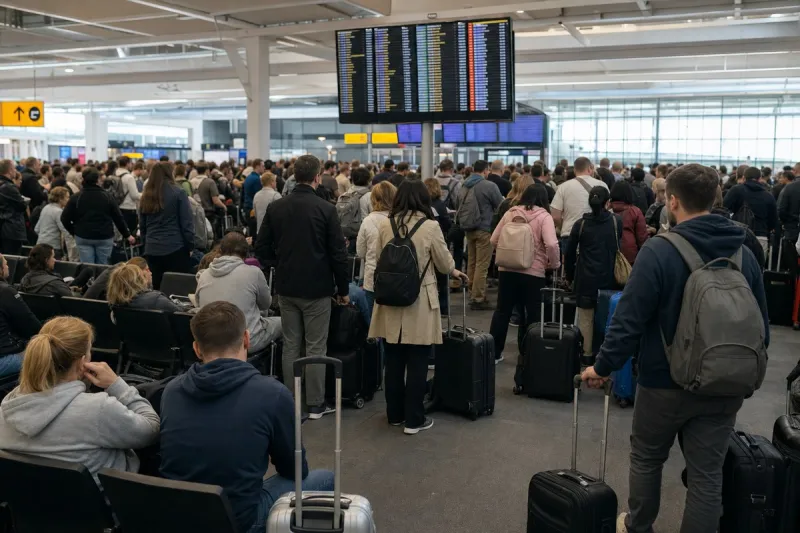
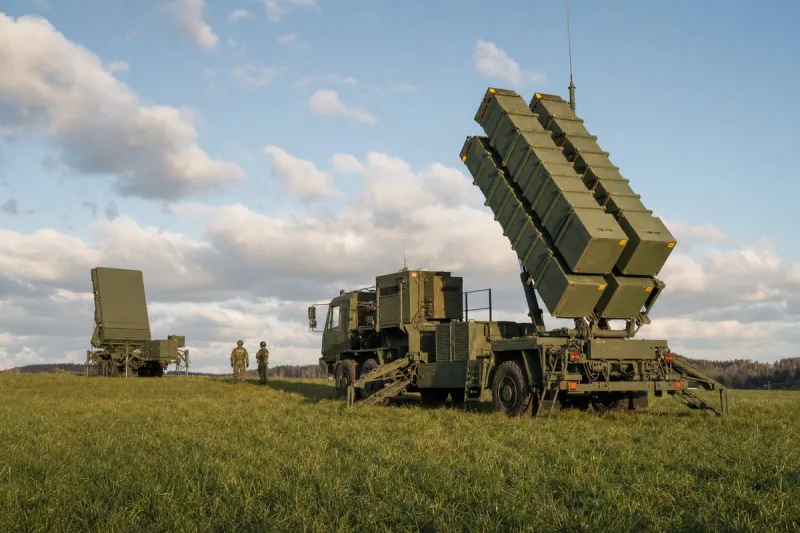
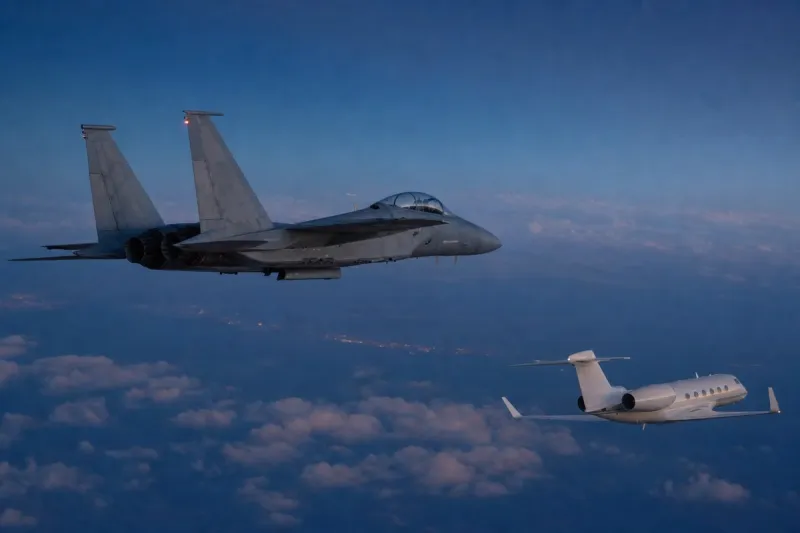
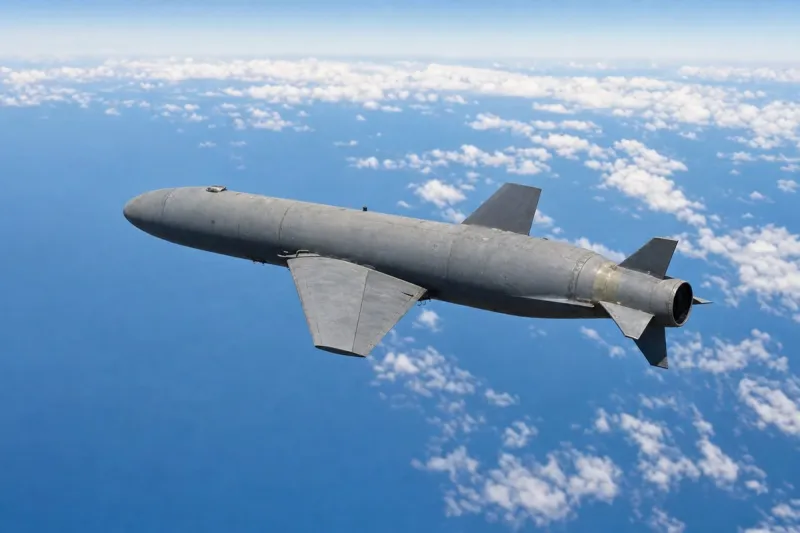
EASA conflict-zone advisory CZIB 2026-03-R1, issued in response to the US-Israel conflict with Iran now running close to seven months, recommends operators avoid all flight levels across eleven countries including Bahrain, Iran, Iraq, Israel and Jordan, with European regulators separately advising avoidance of the Tehran flight information region through 2026. Iranian projectiles, directly or after interception, have struck airports at Dubai, Abu Dhabi, Kuwait and Bahrain. Iran has threatened neighbouring states with retaliation if they enforce new US sanctions targeting Iranian airlines' international operations, and international flight capacity from Iran was already 49 percent below year-earlier levels in August; forecasts cited in reporting project a possible 25 percent fall in international travel to Gulf countries.

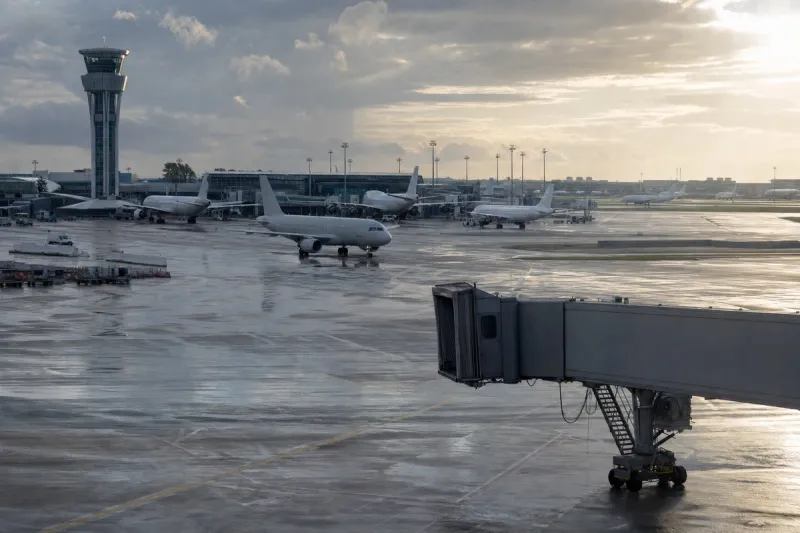
Egypt has absorbed diverted traffic: when Iran-related restrictions were at their most acute in February, Cairo International handled twelve diverted international flights in a single day, with Sphinx, Alexandria, Hurghada, Sharm El-Sheikh and Luxor handling a further ten between them. Houthi strikes on Saudi Arabia's Abha Airport in July added a further complication near the Yemen border, which sits at the most severe US advisory level. In South Asia, Pakistan's airspace has been closed to Indian carriers since April 2025, with Air India putting the annual cost at approximately $455 million in profit before tax, fuel burn up as much as 29 percent, and up to three hours added to some long-haul sectors; India is in talks with China over Xinjiang airspace access as a workaround, with no agreement concluded.
In Asia-Pacific, Typhoon Dujuan struck eastern Japan in late September, causing landslides, power outages and damage to more than 470 buildings, with casualty reports ranging from at least four dead to at least six dead and six missing. Bangkok has declared a disaster after heavy rain and flooding affecting more than 84,000 people across 21 provinces, and Nepal is dealing with flood damage including a Langtang glacier collapse. A super El Niño that emerged in June continues to strengthen, with one report citing a record anomaly of 3.07°C above baseline and peak intensity forecasts ranging from November 2026 to early 2027. The Climate Impact Lab estimates 451,000 excess heat deaths through February and a possible 44 percent increase in hot days, and the World Meteorological Organization warns 2027 could be the hottest year on record. Japan's Financial Services Agency reported in August that reinsurers have grown more cautious amid rising catastrophe and large-loss exposure, with non-life insurers expected to tighten underwriting and push more risk-sharing onto corporate policyholders. The FAA has alleged illegal operations by a New York-based aircraft management and charter provider, which has 30 days to respond.
Industry impact & what to watch
These pressures belong to the same underlying pattern: routing risk that used to be assessed corridor by corridor is now compounding across regions at the same time, so a single trip plan can touch a conflict-zone advisory, a nationality-specific closure and a record climate anomaly in one itinerary. Charter and fractional operators price and route trip by trip, which means each of these constraints — Gulf overflight, Pakistan's closure, Asia-Pacific weather disruption — has to be re-checked independently rather than assumed stable from the last sortie flown on that route.
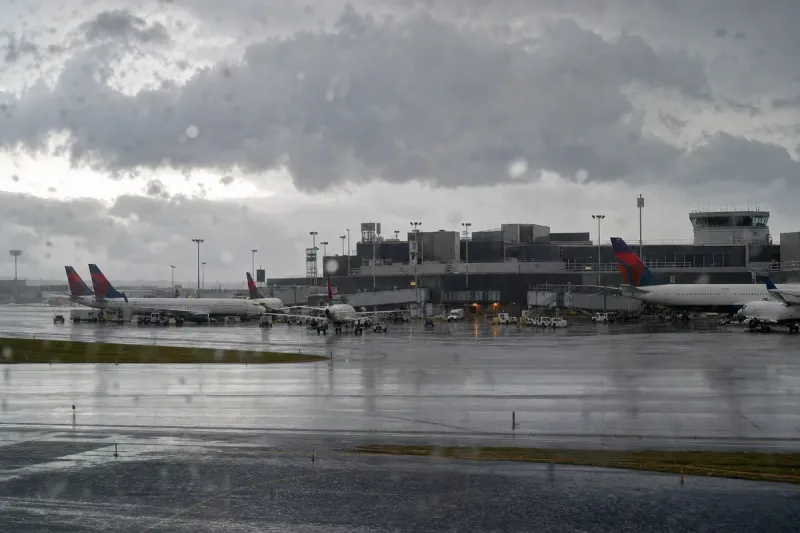
The Egypt diversion data shows how this segment actually absorbs shock: alternates like Cairo, Sphinx, Alexandria, Hurghada, Sharm El-Sheikh and Luxor took on 22 diverted flights in a single day during February's acute phase, meaning contingency airport capacity in the region is finite and can saturate quickly when multiple operators divert simultaneously. On the insurance side, reinsurers pulling back and non-life insurers tightening underwriting signals that cost pressure from these compounding risks will increasingly land on corporate policyholders rather than staying absorbed at the carrier level.
What to watch next includes any revision to CZIB 2026-03-R1, further Iranian action against Gulf airport infrastructure, interference with the Strait of Hormuz, the outcome of India-China talks on Xinjiang overflight access, and the timing of the El Niño peak, which will determine how long performance-limited conditions persist into the Southern Hemisphere summer.