Over 1,000 Iraqis and Kurdistan Region Citizens Stranded in Tehran After US Bans Iranian Airlines
Why It MattersThe episode shows how a single US dollar-system sanction can instantly sever an entire national carrier fleet from global fuel, landing and ticketing services, stranding travelers with no fallback transport option.
What happened
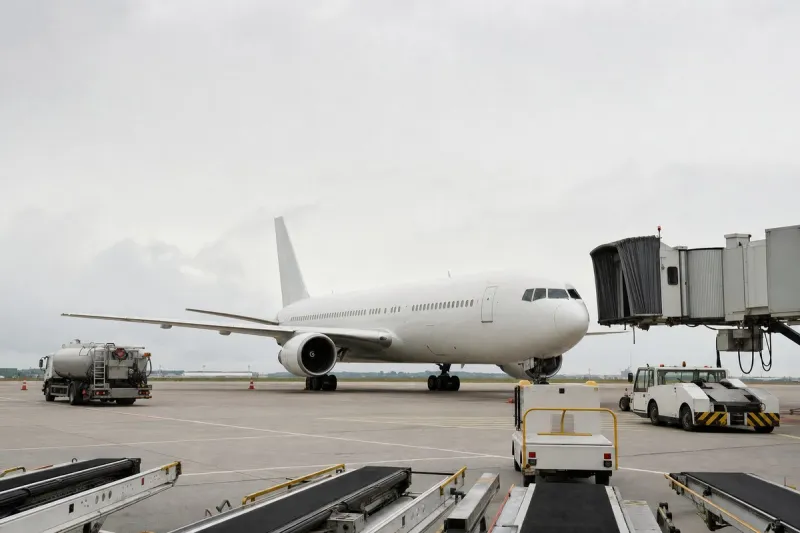
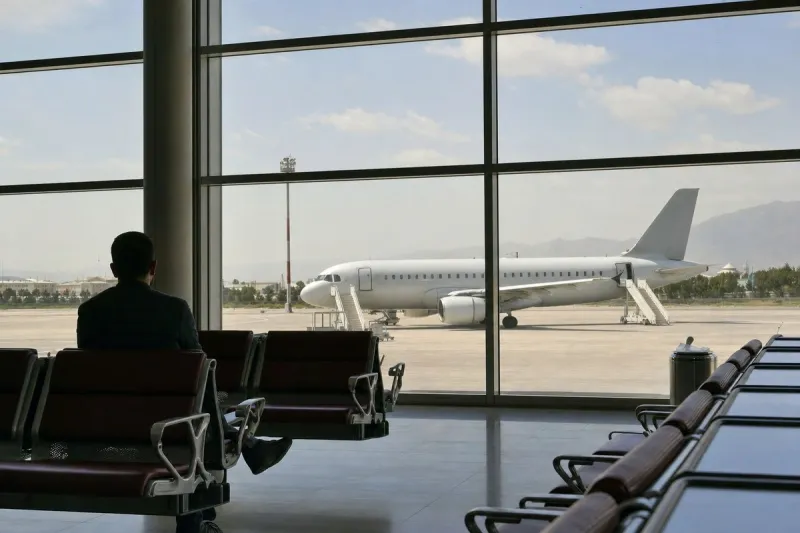
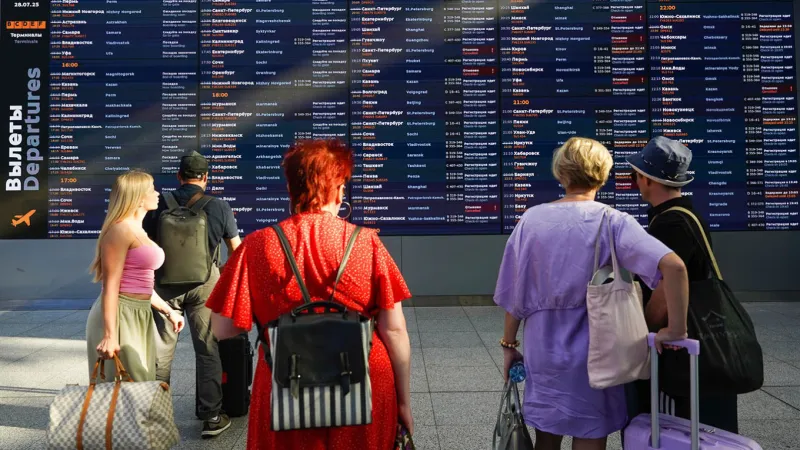
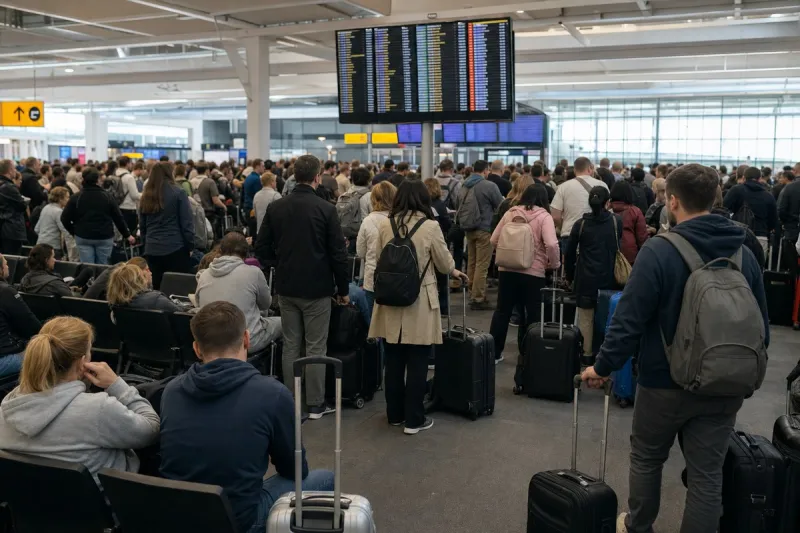
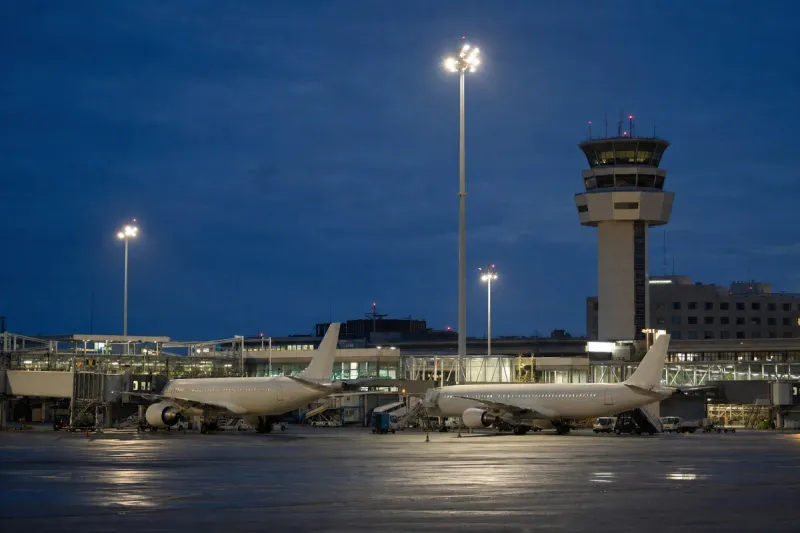
More than 1,000 Iraqi and Kurdistan Region citizens are stranded in Tehran and unable to return home after the United States banned Iranian airlines, according to statements relayed to Kurdistan 24. More than 300 of those stranded are citizens of the Kurdistan Region, with the remainder from other Iraqi cities.
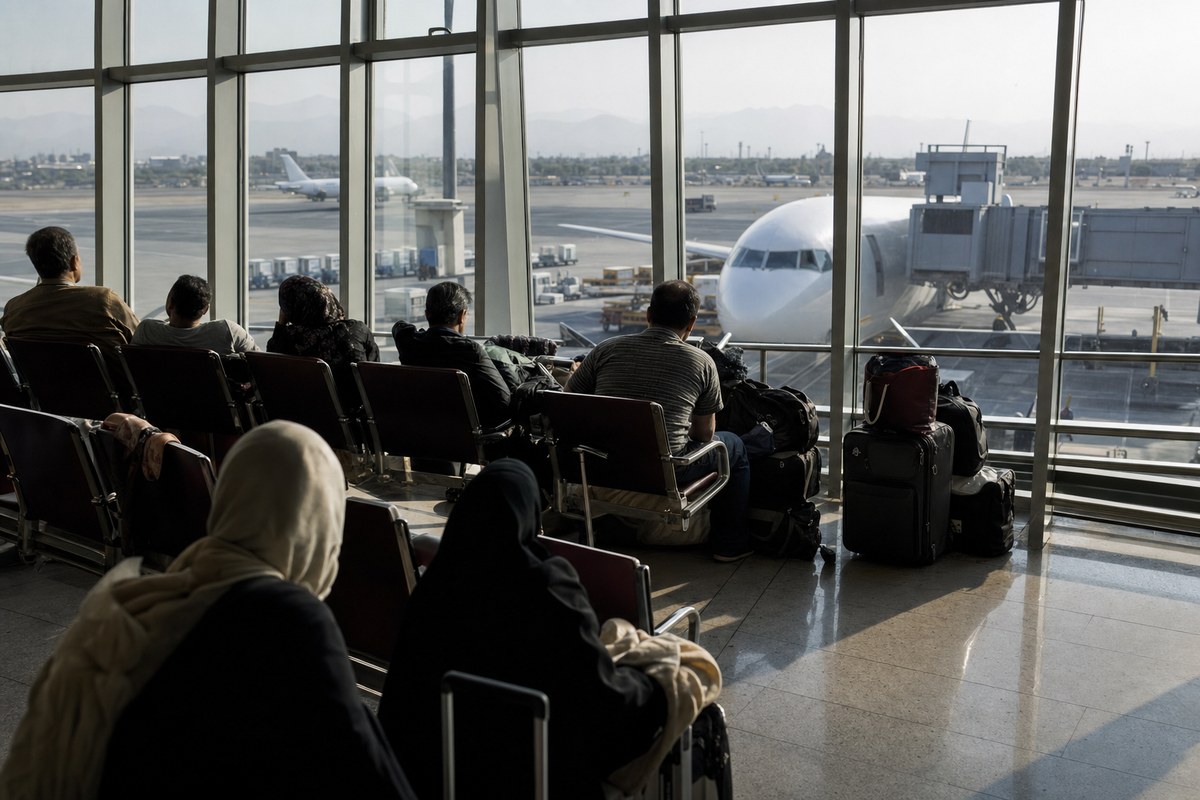
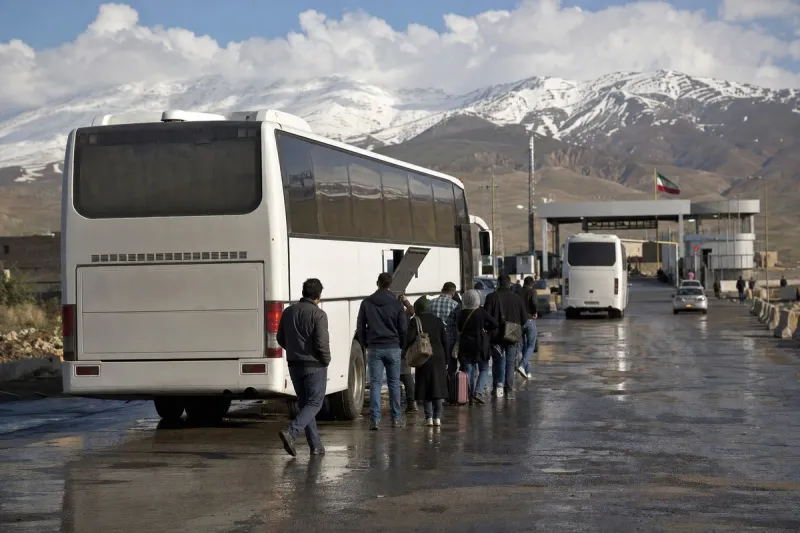
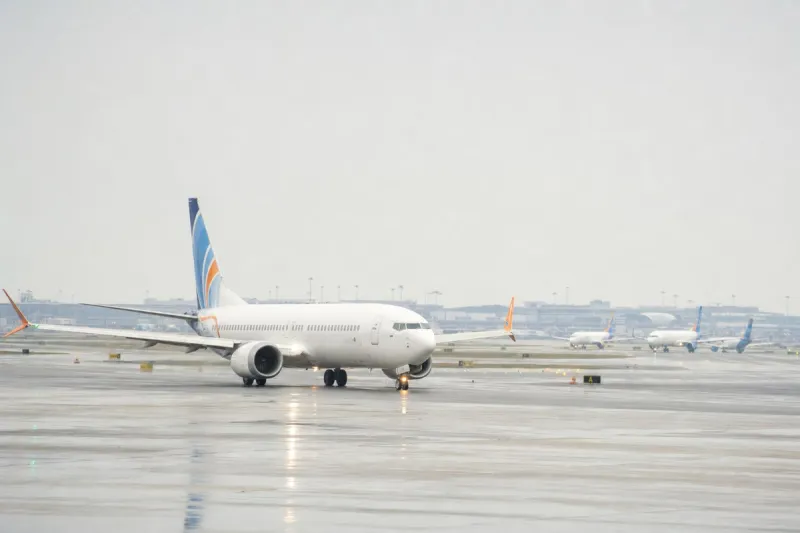
A large number of the affected individuals have undergone surgery or are ill, making land travel by car or bus physically impossible. Treasury Secretary Scott Bessent announced on September 22 that all Iranian airlines would be shut down worldwide effective September 23, with the measure threatening any entity providing fuel, landing services, or ticketing to Iranian aircraft with exclusion from the US dollar system, effectively barring Iranian carriers from airport infrastructure globally.
Iraqi Foreign Minister Fuad Hussein confirmed on Friday that Iraq is discussing the aviation sanctions with Washington and has formally notified Iran of the ban on Iranian aircraft at Iraqi airports. Iran's Supreme National Security Council said on Saturday that it is negotiating with relevant countries to lift the airspace restrictions through civilian means and has ruled out military retaliation. Neither diplomatic track has yet produced a solution for the stranded citizens, and the Kurdistan Region Government and the Iraqi federal government have not announced emergency repatriation measures.
Industry impact & what to watch
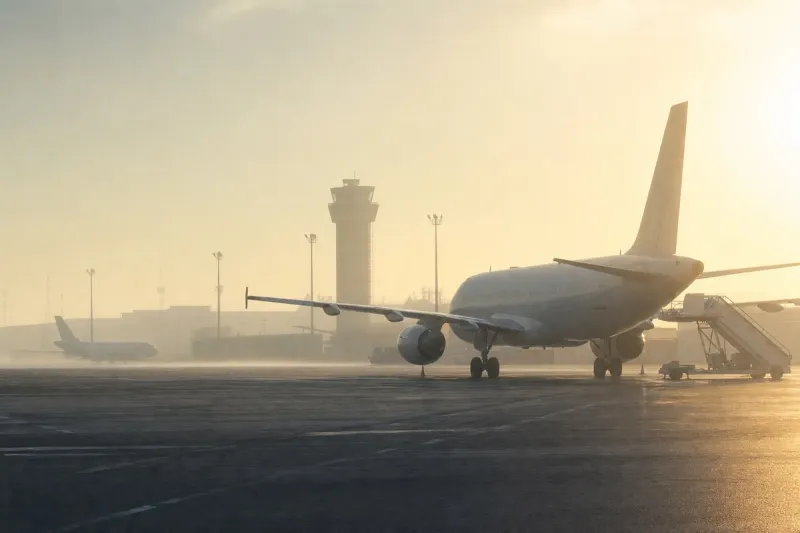
This case illustrates how a US dollar-system sanction functions as a global aviation kill switch: because fuel suppliers, ground handlers, and ticketing systems worldwide depend on dollar clearing, a single Treasury designation can ground a national carrier fleet within a day, regardless of where its aircraft happen to be. Passengers caught mid-journey become collateral to a mechanism built around institutions, not individuals.
Cross-border civil aviation between sanctioned and non-sanctioned states normally relies on bilateral diplomatic exemptions or third-country charter arrangements to keep essential travel moving even when a flag carrier is cut off. Here that substitution has not yet materialized: Iraq has notified Iran of the airport ban rather than arranging alternative lift, and Iran's negotiating track is aimed at lifting restrictions generally rather than securing an immediate repatriation channel.
What happens next depends on whether Baghdad or Erbil authorizes a charter or land-corridor exemption for medically vulnerable citizens, and on whether Iran's talks with other governments produce any near-term civilian carve-out. Until either government names a concrete repatriation mechanism, the stranded population's return date remains an open question.