FAA Ends 40-Year Single-Pilot Exemption for Cessna Citation CE-500 Series, Citing Safety Violations and Doubled Accident Rate
Why It MattersThe rollback shows how legacy exemption programmes can persist for decades until an accident-driven data review forces regulators to close gaps between actual practice and certificated crew requirements.
What happened
The Federal Aviation Administration has rescinded a more than 40-year-old exemption programme that allowed certain Cessna Citation CE-500 series aircraft to be flown by a single pilot, effective Tuesday, 29 September. All existing single-pilot exemptions are terminated, and any logbook endorsements issued under those exemptions are no longer valid. Affected pilots must now operate CE-500 aircraft that require two pilots in a two-pilot configuration consistent with the aircraft's Type Certificate Data Sheets.

The FAA began granting single-pilot exemptions for certain CE-500 aircraft in 1984 and later extended exemptions to flight training organisations to provide training and check flights under the programme. The system came under scrutiny in 2024 after the FAA discovered training being offered by organisations using another organisation's exemption. A subsequent FAA review found what the agency described as "numerous instances of non-compliance," including incomplete records and flight training conducted in advanced aviation training devices in unpermitted circumstances.
The FAA reviewed CE-500 accident data spanning the past 18 years and found that CE-500 Part 25 commercial transport category aircraft operated with a single pilot were involved in approximately twice the accident rate of CE-500 series Part 23 small general aviation aircraft flown single-pilot. "The FAA finds that these exemptions do not provide an equivalent level of safety to the regulations and are no longer in the public interest," said Hugh Thomas, executive director for the flight standards service at the FAA.
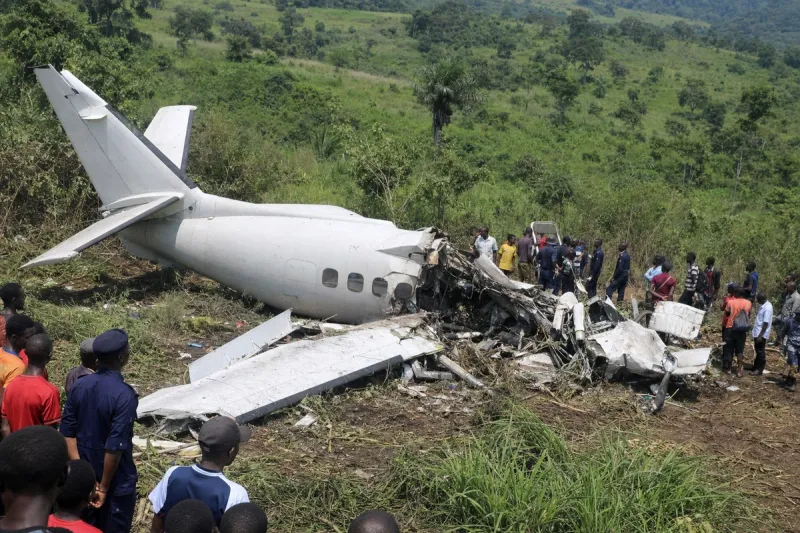
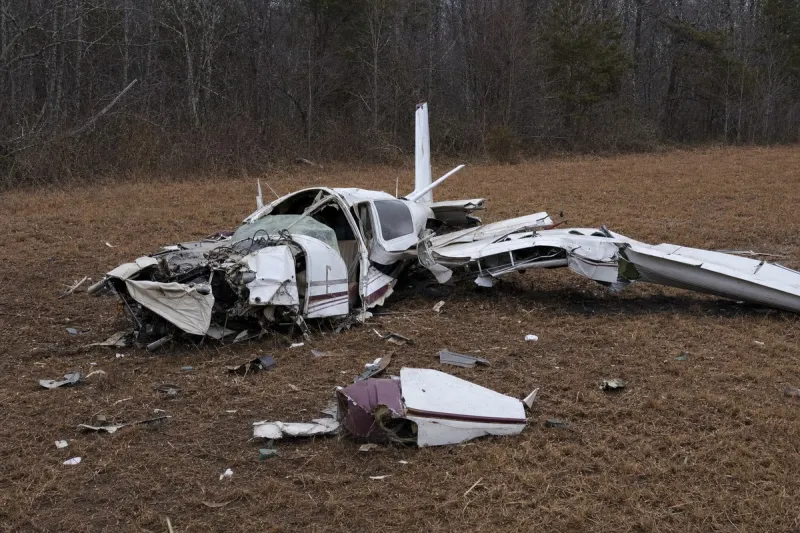
Two accidents involving single-pilot CE-500 operations were cited. On 22 May 2025, a CE-500 operating with a single-pilot crew crashed, killing six people on board and injuring eight people on the ground; the FAA said the pilot had received an improper check six months earlier from an examiner employed by an exemption holder, and the accident remains under investigation with no probable cause established. A second accident occurred in Statesville, North Carolina, on 18 December 2025, involving a CE-500 variant that required two pilots under FAA regulations. Under the new policy, the FAA will no longer grant exemptions to training providers seeking to relieve operators from two-pilot requirements, and current exemption holders will have their exemptions rescinded separately.
Industry impact & what to watch
This case belongs to a familiar regulatory pattern: an exemption granted for one generation of aircraft and operators persists long after the conditions that justified it have changed, until an accident and a data review force a reckoning. The CE-500 programme ran for over four decades before the FAA's own 2024 discovery of exemption-sharing among training organisations triggered the review that ultimately unwound it.
Exemption regimes in business aviation work by substituting an operator- or aircraft-specific finding of equivalent safety for the general crew requirement in the Type Certificate Data Sheets. That substitution depends on the exemption holder maintaining the same discipline — records, training currency, check procedures — that justified the original grant. The FAA's finding of incomplete records and improper checks shows how that discipline can erode inside a decades-old programme without triggering a review until an accident or an unrelated compliance discovery exposes it.
For operators and training providers still holding CE-500 single-pilot endorsements, the immediate question is fleet transition: whether aircraft and crews can be requalified to two-pilot operation, and on what timeline the FAA expects that to happen. The investigation into the 22 May 2025 accident, which has not yet established a probable cause, is the next dated milestone that could shape how the agency treats similar exemption programmes elsewhere.