Operation Silent Skies 3: Eight European Countries Inspect 47 Suspicious General Aviation Flights, Seize Over €100,000 at Brussels Airport
Why It MattersThe case underscores how smaller general aviation airports, with lighter infrastructure and oversight, remain a structural weak point that cross-border law-enforcement cooperation is now being built specifically to address.
What happened
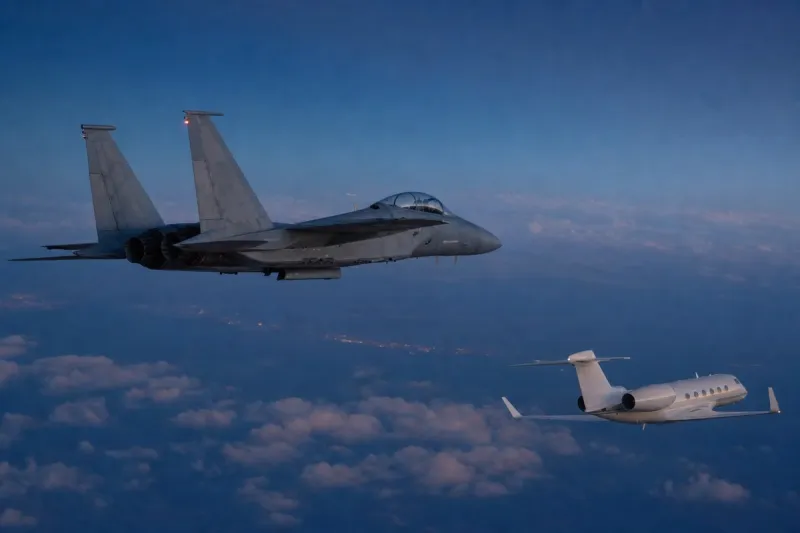
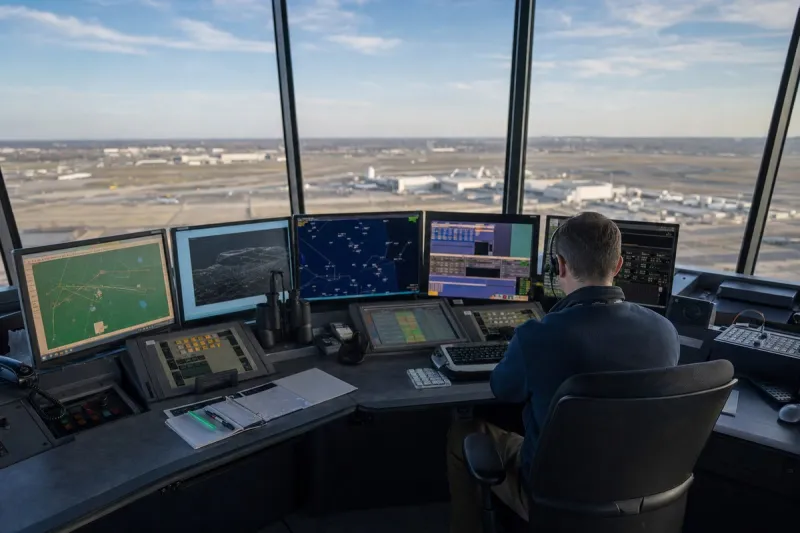
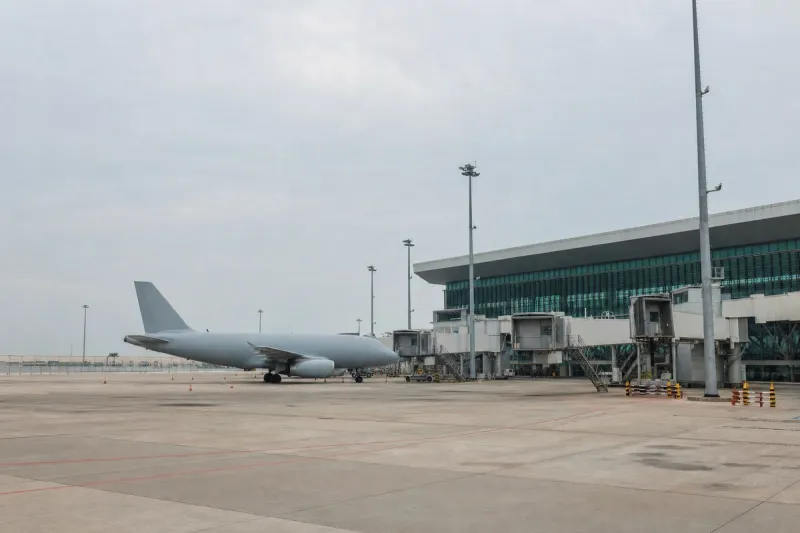
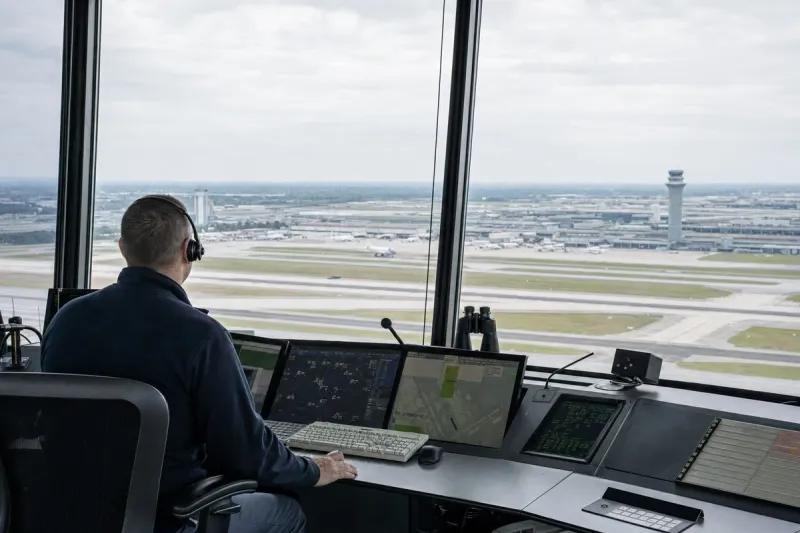
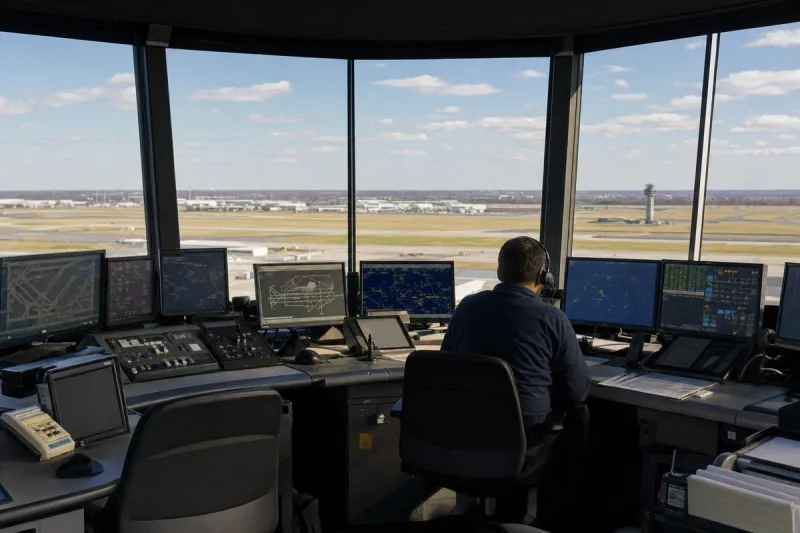
Police, customs and security services from eight European countries carried out Operation Silent Skies 3 from 23 to 27 September, targeting misuse of the general aviation sector by criminal networks. The five-day operation was coordinated from an operational centre hosted by the Netherlands National Police in Maastricht.
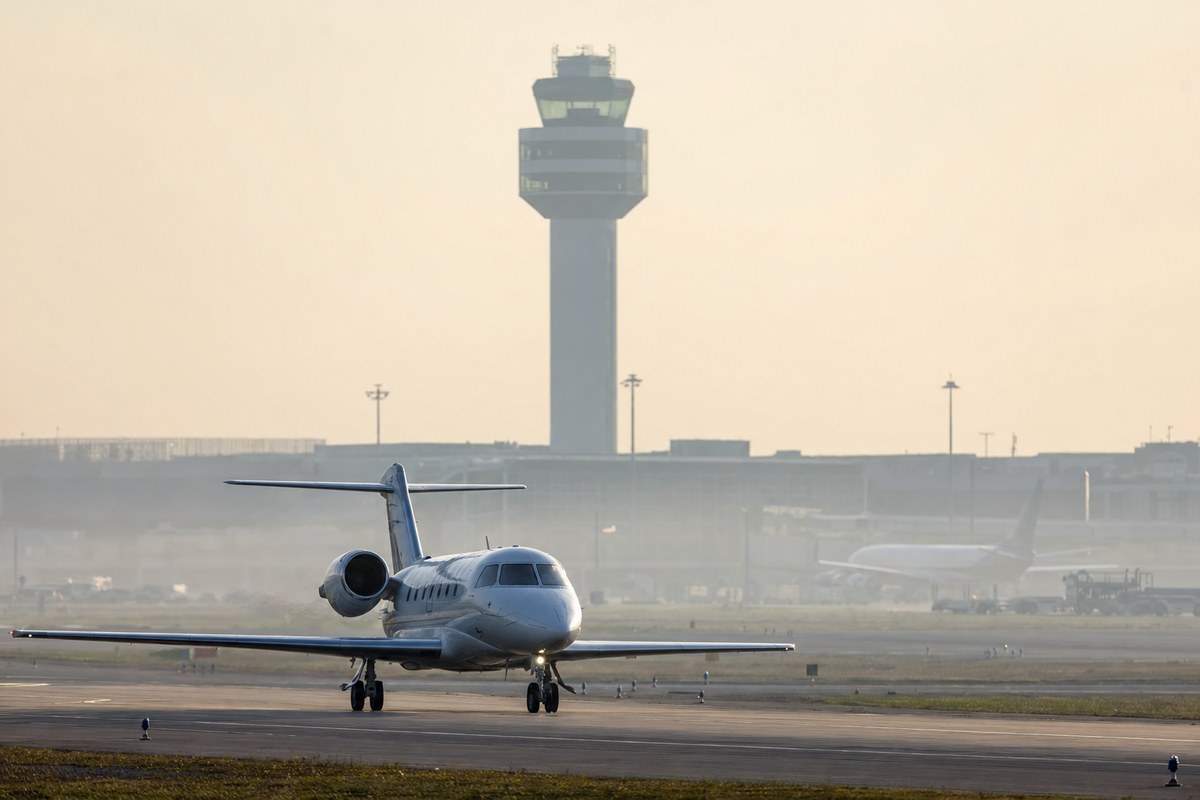
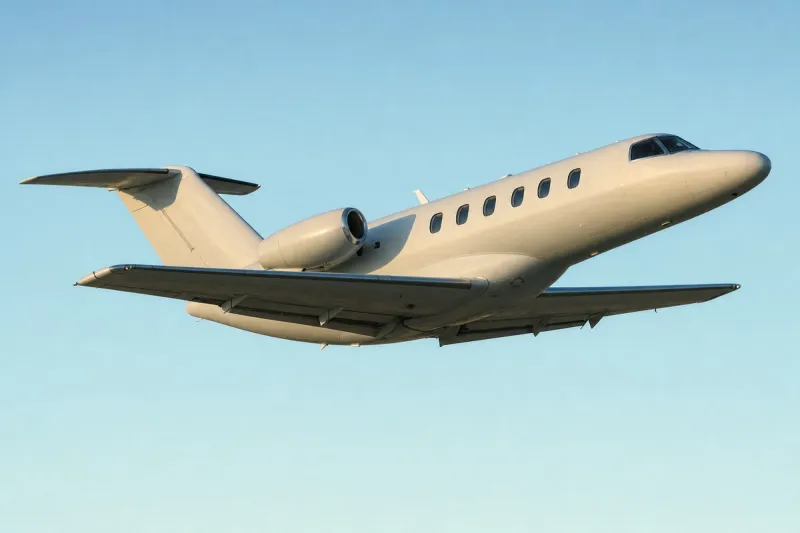
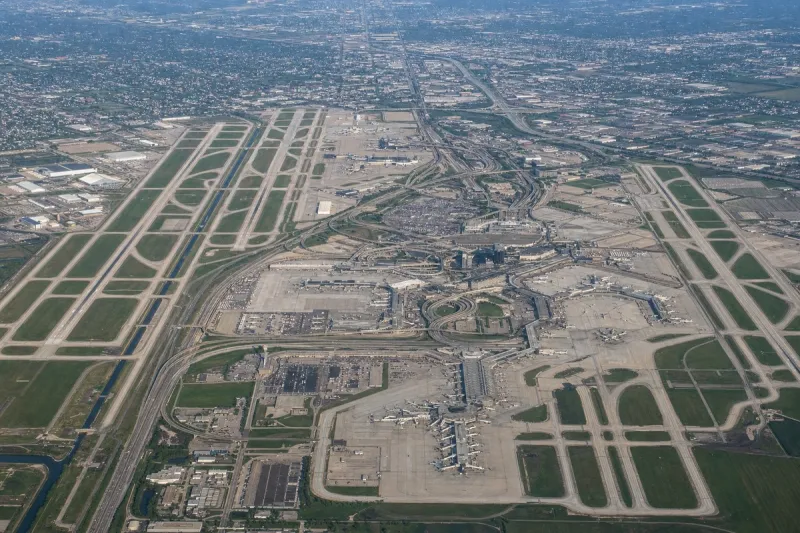
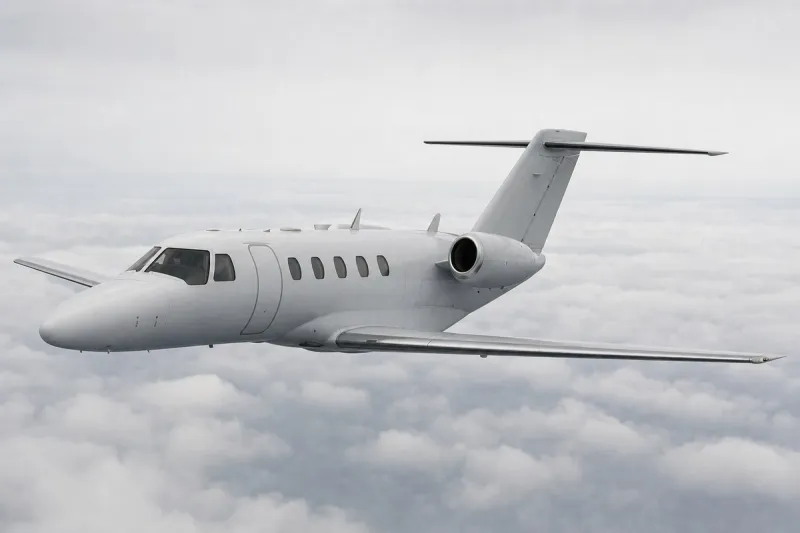
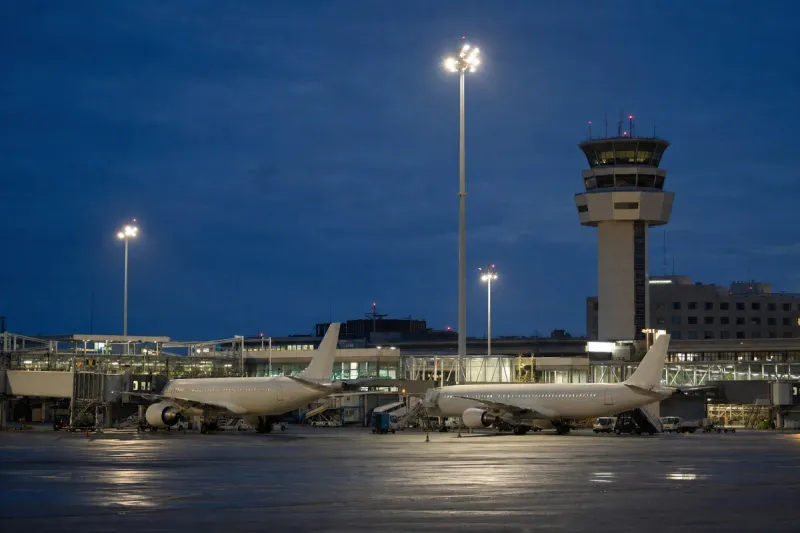
Authorities focused on flights originating from South America, West Africa, Northwest Africa and Canada. Based on joint risk assessments, 47 flights were classified as suspicious and subjected to inspections. During the inspection of a private flight at Brussels Airport, more than €100,000 in various currencies was discovered and seized. Belgium's Federal Judicial Police and the Public Prosecutor's Office of Halle-Vilvoorde have opened a money laundering investigation.
Operation Silent Skies was first launched in 2024 on the initiative of the Belgian Federal Police during Belgium's Presidency of the Benelux Union. The current edition marks its expansion from a Benelux project into a broader European cooperation framework. Ariadne Petridis, Secretary-General of the Benelux Union, visited the command centre in Maastricht during the operation.
Industry impact & what to watch
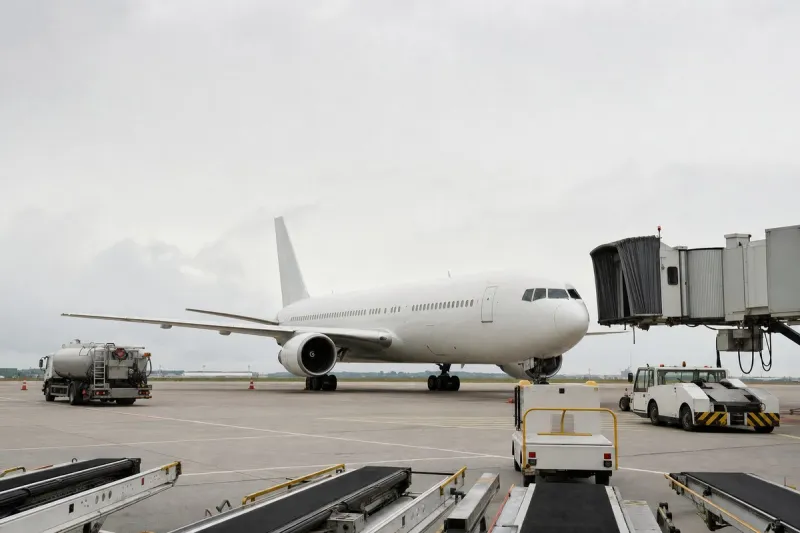
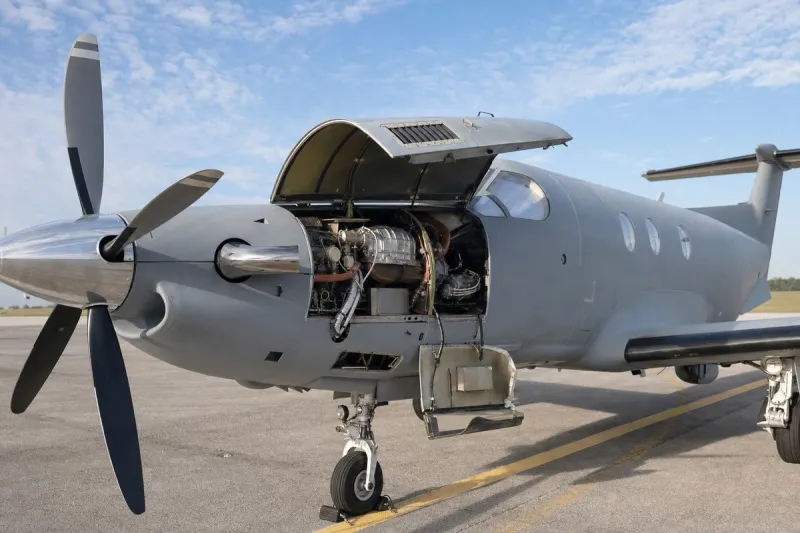
This operation reflects a growing effort among European authorities to treat general aviation as a distinct crime-exposure channel rather than an extension of commercial air transport oversight, since private, recreational, training and business flights move under lighter scrutiny than scheduled carriers. Smaller airports are considered particularly vulnerable given their limited scale and infrastructure, which is precisely why the coordination model built around joint risk assessment and information-sharing across borders was extended beyond the original Benelux group.
The segment's exposure comes from the same features that make general aviation useful commercially: flexible routing, smaller crews, and less standardised customs handling at smaller fields, which criminal networks can exploit for drug smuggling, trafficking of illicit goods and movement of proceeds. The expansion of Silent Skies from a Benelux initiative into a wider European framework shows this risk is now being addressed through recurring joint operations rather than isolated national checks.
What happens next will depend on the outcome of the money laundering investigation opened by Belgium's Federal Judicial Police and the Public Prosecutor's Office of Halle-Vilvoorde, and on whether further editions of Silent Skies draw in additional countries or expand the list of flagged origin regions.