Tajikistan's Dushanbe FIR Faces Capacity Strain as Overfly Traffic Rises 25% Amid Afghan Border Security Concerns
Why It MattersThe case shows how growing east-west overfly corridors around Russian and Iranian airspace can outpace ground infrastructure, forcing operators to weigh security and terrain risk against incomplete radar coverage.
What happened
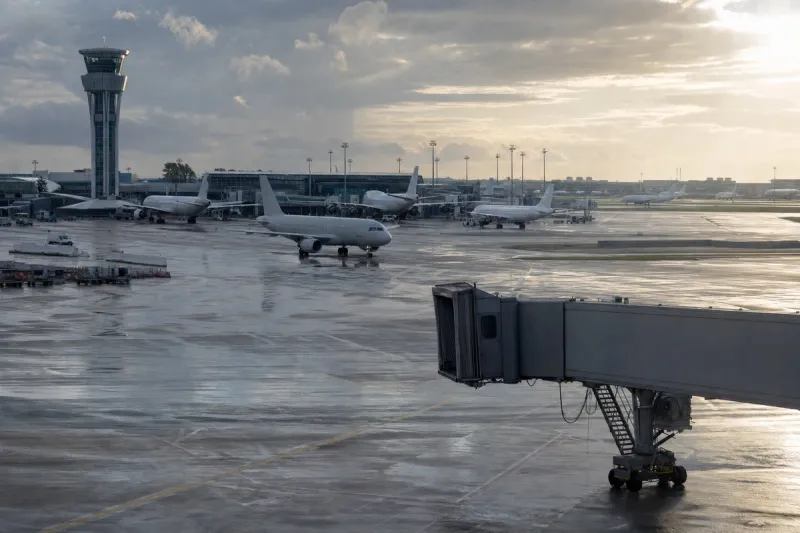
The Dushanbe Flight Information Region (UTDD) remains operational with no formal international restrictions, though the Civil Aviation Authority of Tajikistan reported a 25% increase in overfly traffic for Q1 2026 compared with the same period the previous year. The FIR has become a transit corridor for airlines rerouting traffic between Europe and South and Southeast Asia to avoid both Russian and Iranian airspace, and that growth has outpaced improvements to air traffic control capacity, creating potential coordination challenges during peak flows.
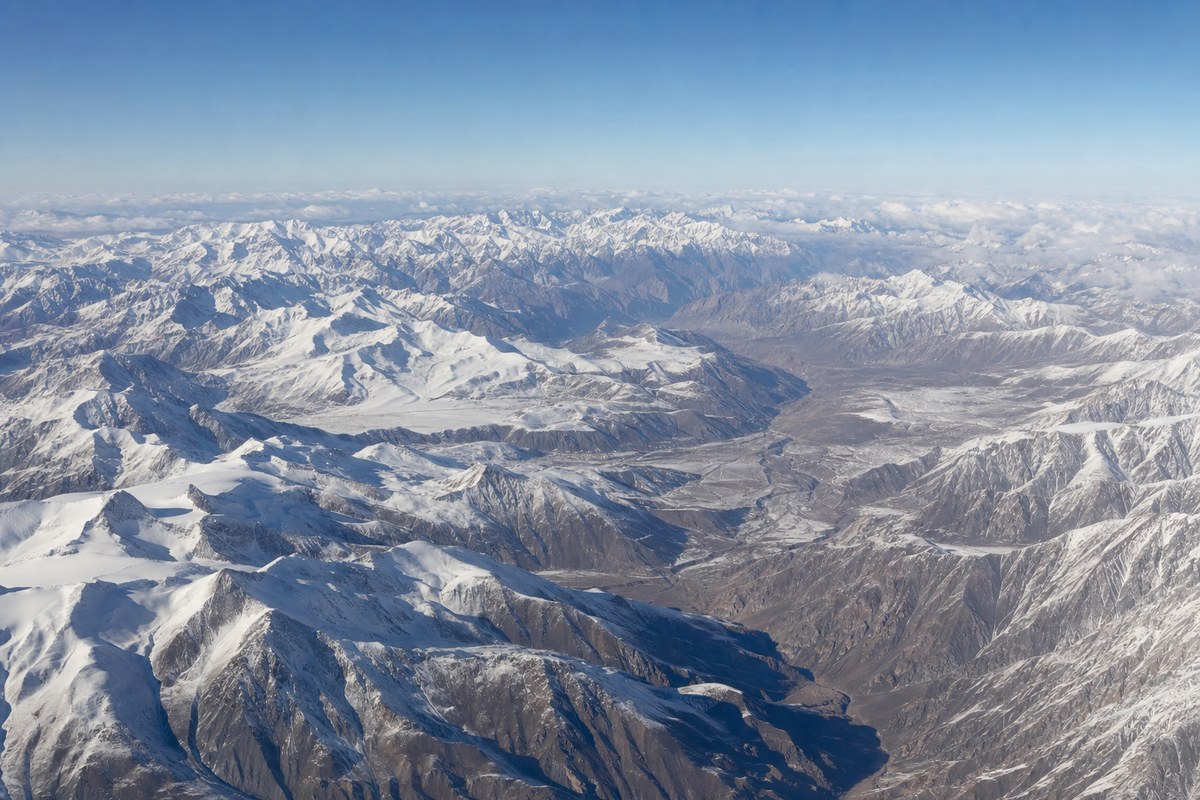
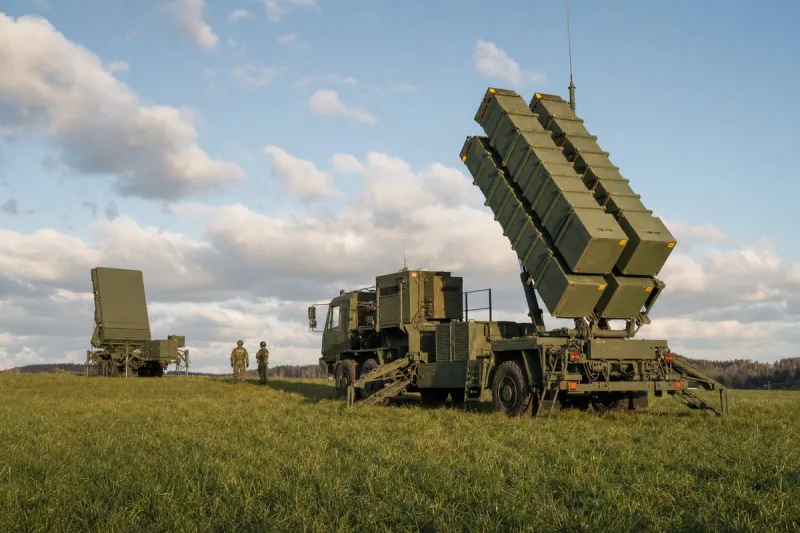
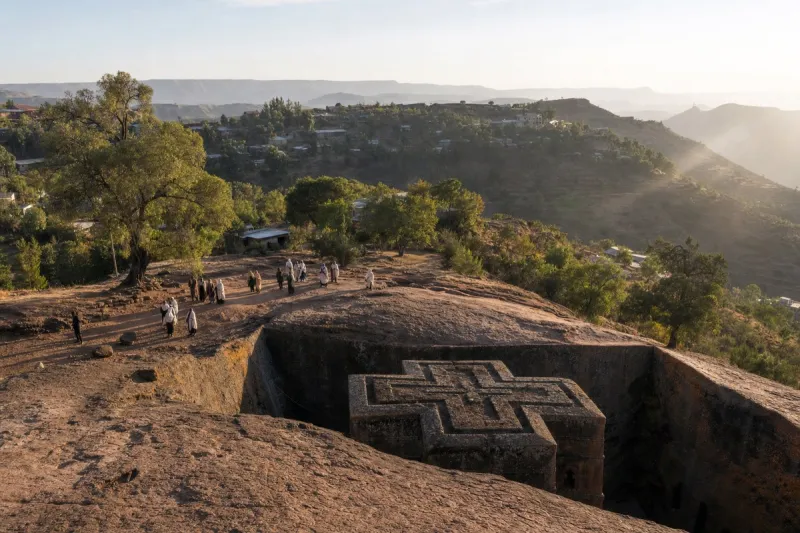
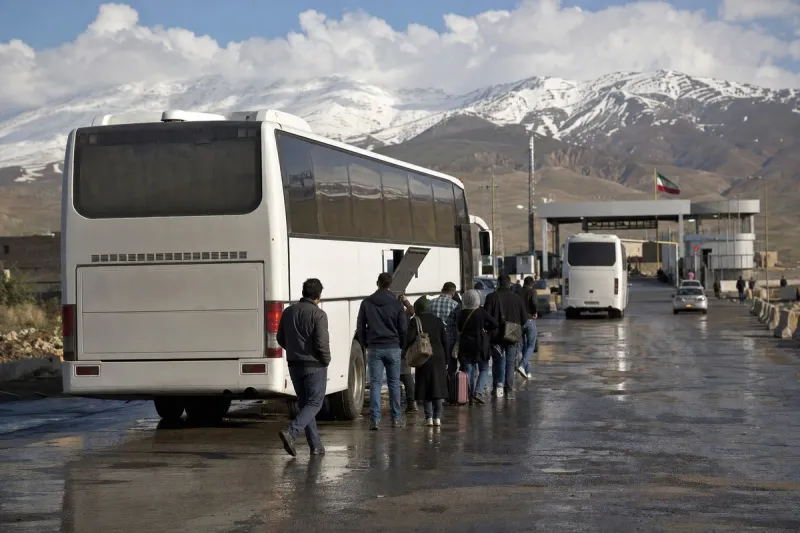
Tajikistan's airspace covers extreme mountainous terrain, including the Pamir Mountains with peaks exceeding 7,000 metres, and a 1,357-kilometre border with Afghanistan running along some of the most unstable regions of northern Afghanistan. A cross-border security incident near the Afghan border prompted temporary military activity in southern Tajik airspace, with NOTAMs issued for restricted areas below FL250; no direct military threats to civil aviation were described. A severe mountain turbulence incident in the Pamir region affected a transit flight, prompting updated turbulence advisories for the eastern corridor.
Cross-border security concerns have remained elevated since the 2021 change in Afghan administration. Neither EASA nor the FAA maintain specific restrictions on the Dushanbe FIR, though both advise caution regarding the adjacent Afghanistan FIR and recommend operators transiting near the Tajik-Afghan border stay aware of potential spillover risks. ICAO has provided technical assistance for upgrading Dushanbe ACC communication systems as part of a Central Asia aviation modernisation programme and has included Tajikistan in its Central Asia capacity-building programmes.
Terrain and infrastructure constraints
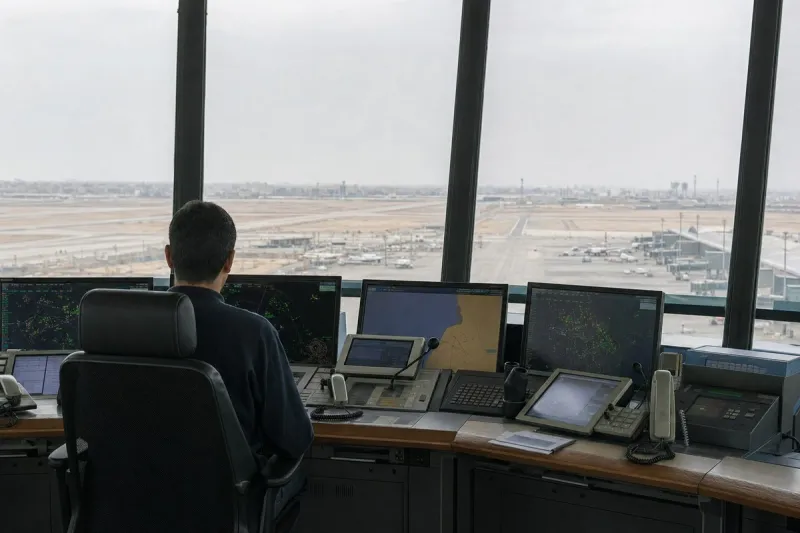
Radar coverage across the FIR remains incomplete, with significant reliance on procedural control, and infrastructure modernisation has been slow due to economic constraints. The Pamir and Tian Shan mountain ranges create challenging operating conditions, including high minimum flight altitudes, severe turbulence risks and limited diversion options within the FIR.
Industry impact & what to watch
This is a case of a secondary transit FIR absorbing demand displaced from larger, restricted airspaces, without the radar and communication infrastructure to match. When operators reroute around Russian and Iranian airspace, the traffic has to land somewhere, and corridors like Dushanbe end up carrying volumes their procedural-control systems were not built for.
Procedural control in mountainous terrain works by maintaining wide separation standards where radar cannot, which caps how much traffic growth an FIR like this can absorb before coordination during peak flows becomes the binding constraint rather than the terrain itself. The ICAO-backed modernisation programme for Dushanbe ACC communications is the mechanism most likely to relieve that constraint, but it sits alongside a border security situation that is being managed separately through NOTAMs and altitude restrictions rather than through capacity upgrades.
What happens next depends on whether traffic growth continues at a similar pace while ATC upgrades remain slow, and on whether further cross-border incidents generate additional restricted areas that further compress usable airspace. EASA and FAA guidance on the adjacent Afghanistan FIR is the reference point operators are most likely to watch for any change in posture toward Dushanbe itself.