Iraqi resistance group urges Baghdad to reverse suspension of Iranian flights, citing US pressure
Why It MattersGround-handling and fuel-service providers, not the airlines themselves, are becoming the pressure point through which sanctions regimes reshape regional air links.
What happened
Sheikh Ali al-Asadi, head of the political bureau of Harakat Hezbollah al-Nujaba, said on Monday that the government in Baghdad should reconsider its suspension of all flights between Iraq and Iran, attributing the halt to US threats of sanctions against any company doing business with Iranian airlines. He warned that popular movements would form to push for a reversal if the government did not act, and stressed that Iraq must remain sovereign and independent in its political, security, and economic decisions.
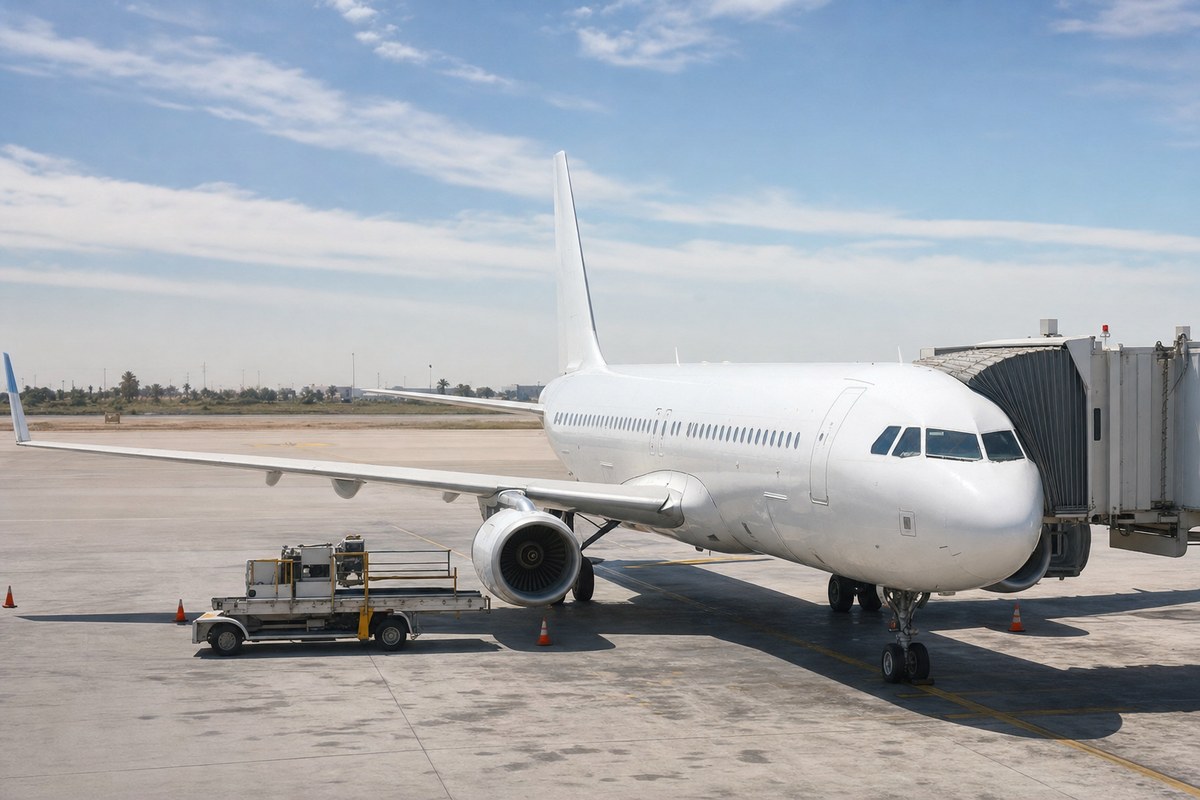
Iraqi Ambassador to Iran Yasser Abdulzahra al-Hajjaj said Najaf International Airport would resume commercial flights between Iraq and Iran within 24 hours. He stated that the Baghdad government itself had not decided to suspend Iranian flights, but that foreign ground-handling companies had ceased operations on those routes over fears of US sanctions.
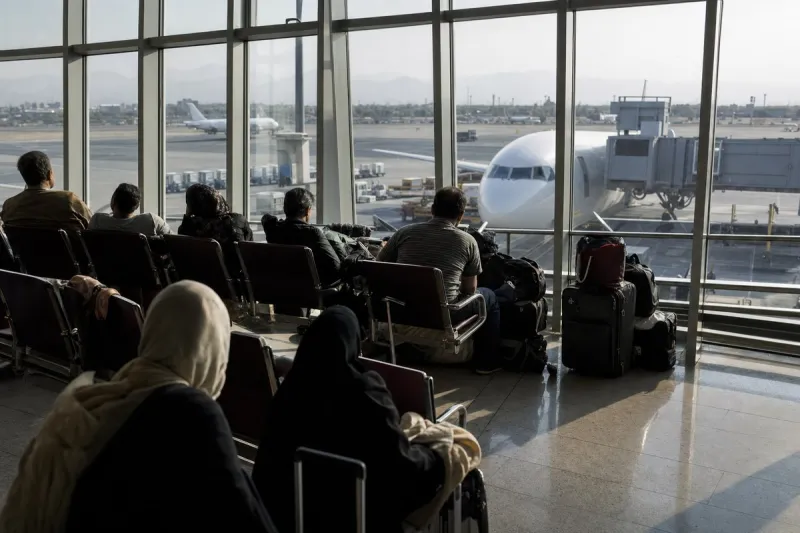
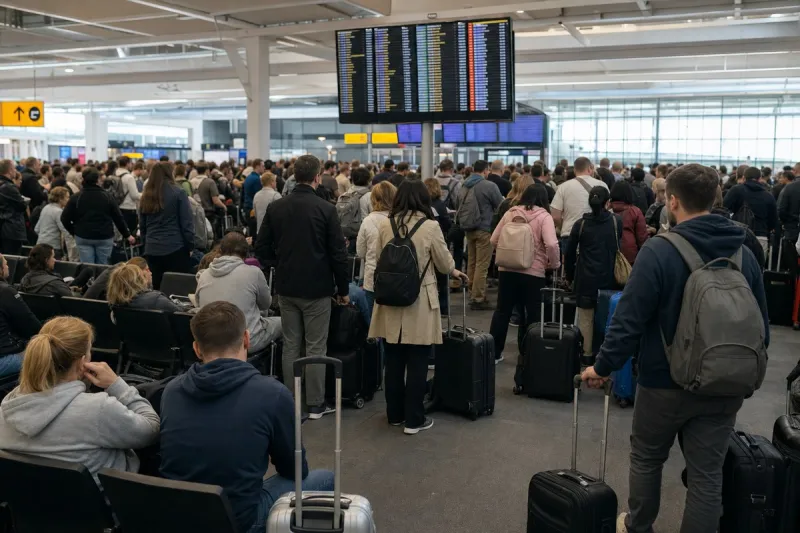
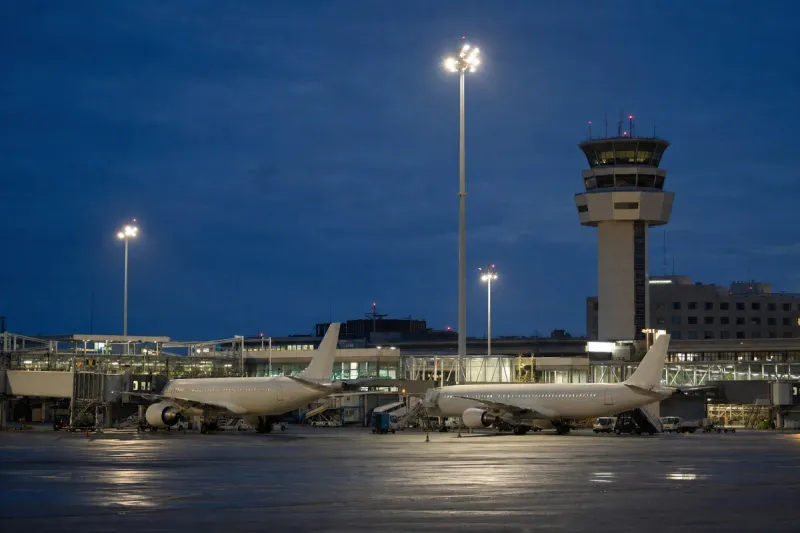
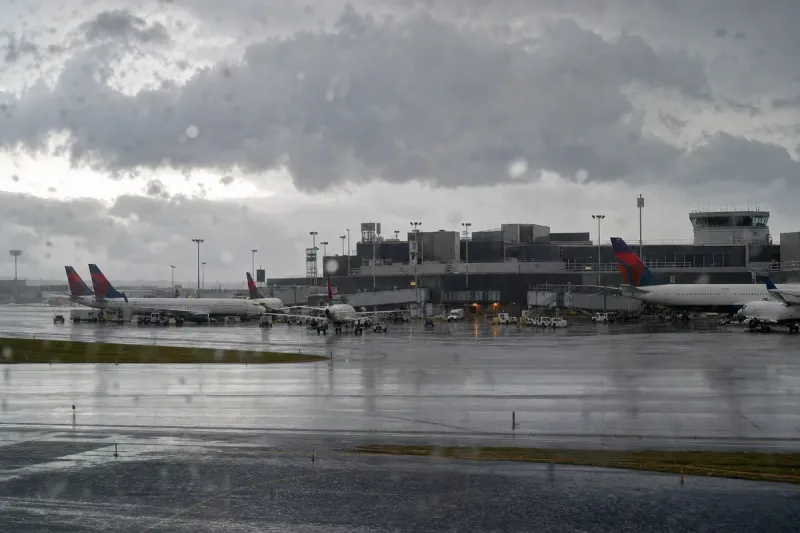
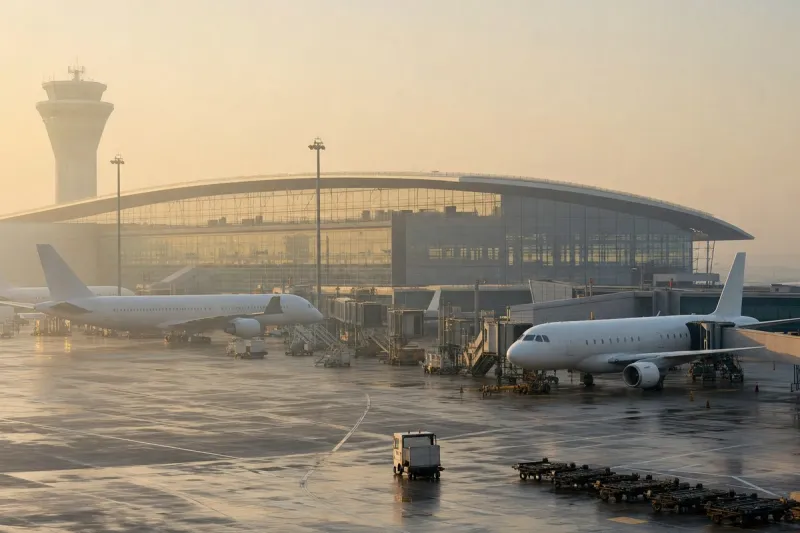
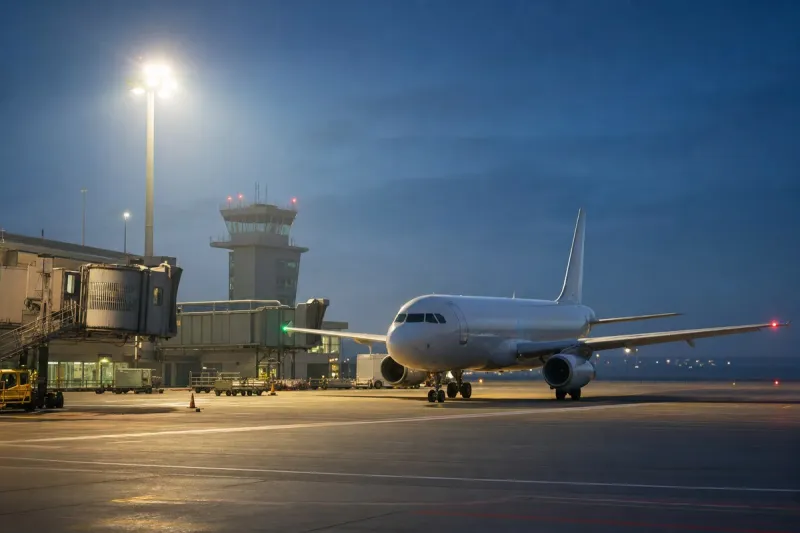
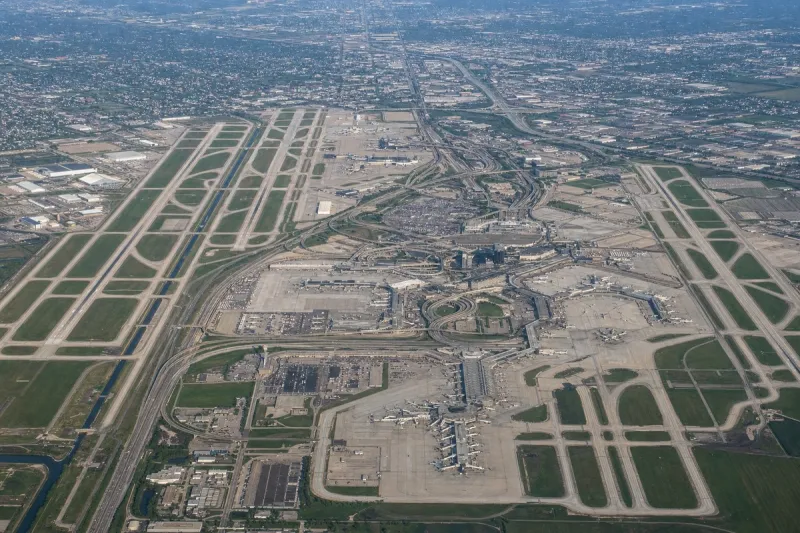
Commercial aviation services between Iraq and Iran were discontinued on Friday after ground-handling firms stopped providing services over concerns about potential penalties from the US Treasury Department, which led airlines to terminate flight operations. Najaf International Airport, described as Iraq's last remaining hub maintaining connections to Iran, suspended such operations from 02:00 local time on Friday (23:00 GMT Thursday) until further notice. Erbil International Airport and Sulaymaniyah International Airport subsequently took comparable measures, and Kirkuk International Airport confirmed a similar step.
On September 8, the US Treasury Department imposed sanctions on 27 Iranian airlines and warned that international airports, fuel distributors, ground-handling companies, and other service providers working with sanctioned carriers would be subject to secondary sanctions.
Industry impact & what to watch
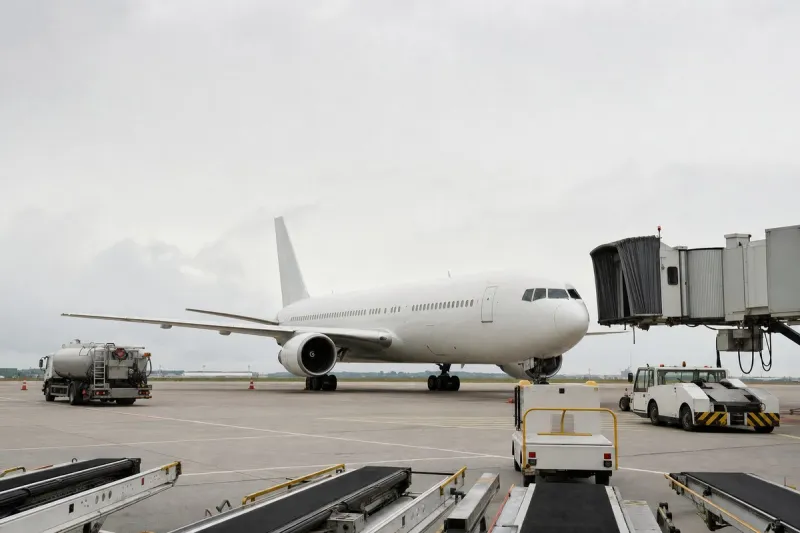
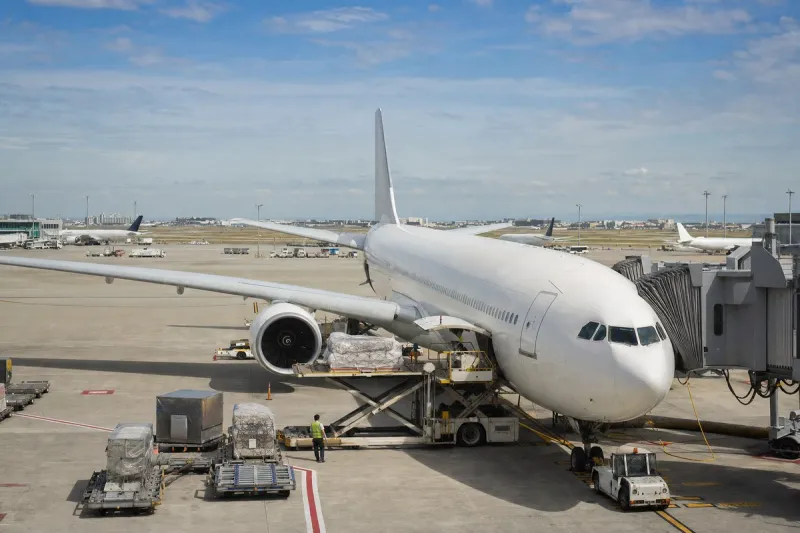
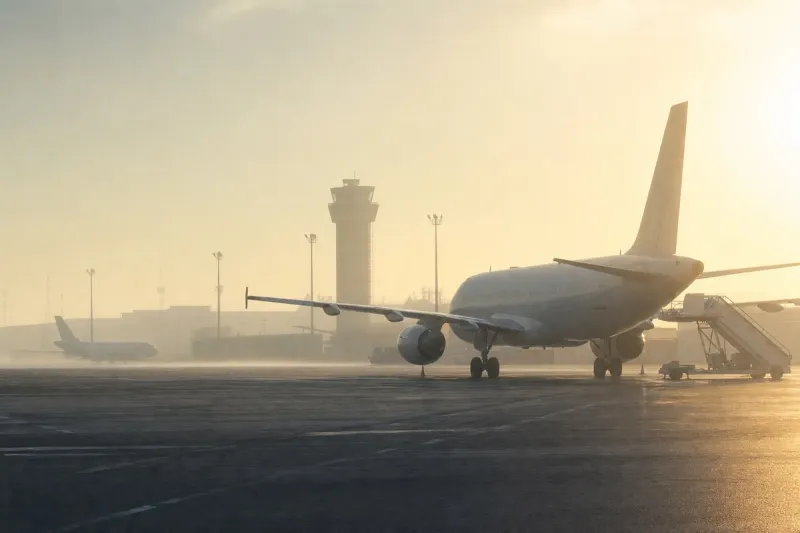
This case shows how a sanctions regime aimed at airlines can stop flights without any single carrier or government formally grounding them: once ground-handling firms and fuel distributors withdraw services rather than risk secondary sanctions, the route closes by default, and reopening it depends on those same third-party contractors, not on the flag carriers or the destination government.
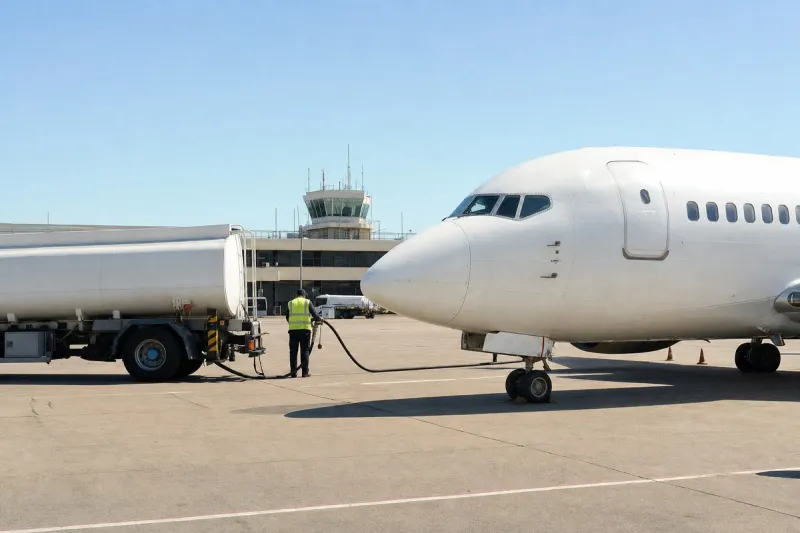
In markets exposed to US Treasury sanctions lists, ground-handling and fueling contracts function as a chokepoint that airlines and airports do not fully control themselves — a single sanctions designation on the counterparty side can suspend traffic across multiple airports simultaneously, as happened here with Najaf, Erbil, Sulaymaniyah, and Kirkuk.
The near-term signal to watch is whether Najaf International Airport actually resumes commercial flights within the stated 24-hour window, and whether Erbil, Sulaymaniyah, and Kirkuk follow with their own reversals or continue to withhold ground-handling services regardless of Baghdad's stated position.