Bessent Orders World's Airports to Stop Serving Iranian Airlines or Lose Dollar Access
Why It MattersSanctions enforcement is shifting from targeting the sanctioned carriers themselves to threatening the dollar-system access of every airport, fueler and agent that touches them, forcing third-country aviation infrastructure to choose sides.
What happened
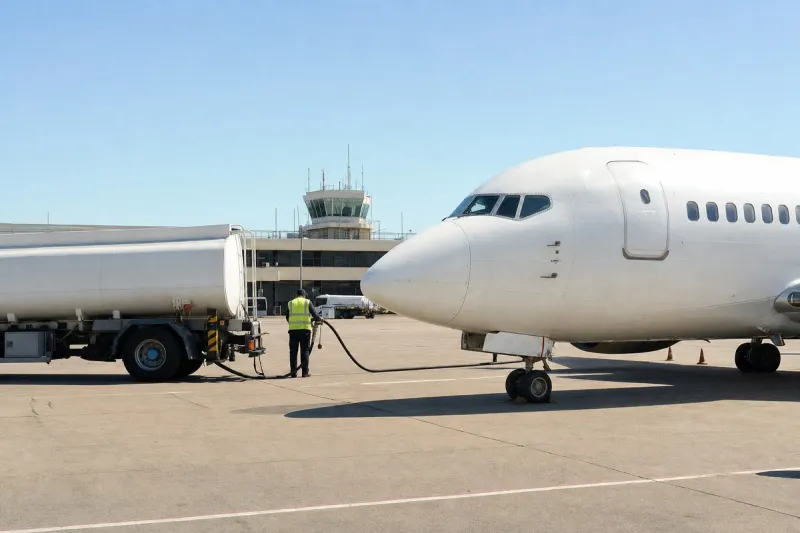
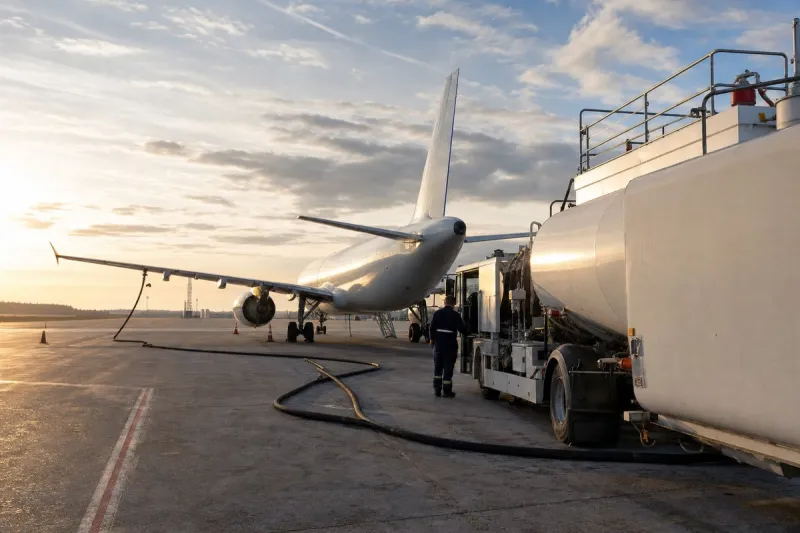
U.S. Treasury Secretary Scott Bessent said on Monday, Sept. 21, 2026, that foreign airports, fuel suppliers, ground handlers and ticket agents must stop serving Iranian airlines or be cut off from the U.S. dollar financial system. "If they land, you cannot provide them with fuel. You cannot provide them with landing services, you cannot sell them tickets, or you will be knocked out of the dollar system," Bessent said in a televised interview. He added that on September 23rd, all Iranian airlines would be shut down.
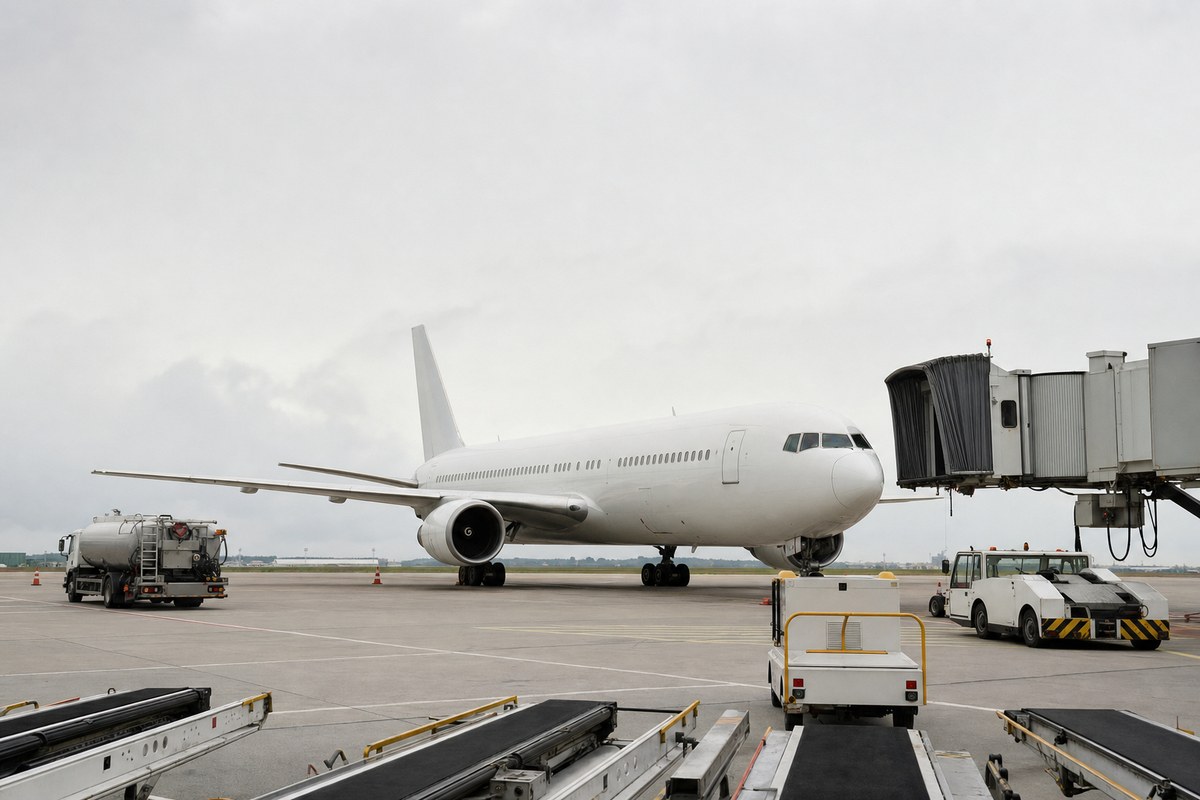
The warning built on a Sept. 8 Treasury Department action that designated 27 Iranian carriers and penalized companies still supporting Mahan Air under Operation Economic Outcast. In the Sept. 8 Treasury release, Bessent said: "Let this be a warning to anyone doing business with Iran's remaining airlines, all of which we sanctioned today. You are at risk of being cut off from the global financial system." The Treasury Department stated that Tehran uses its airlines to "move weapons, personnel, and illicit cargo."
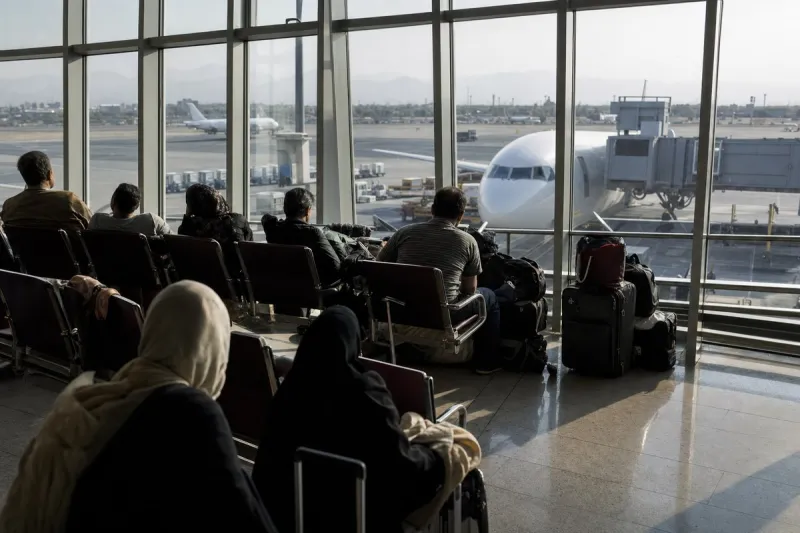
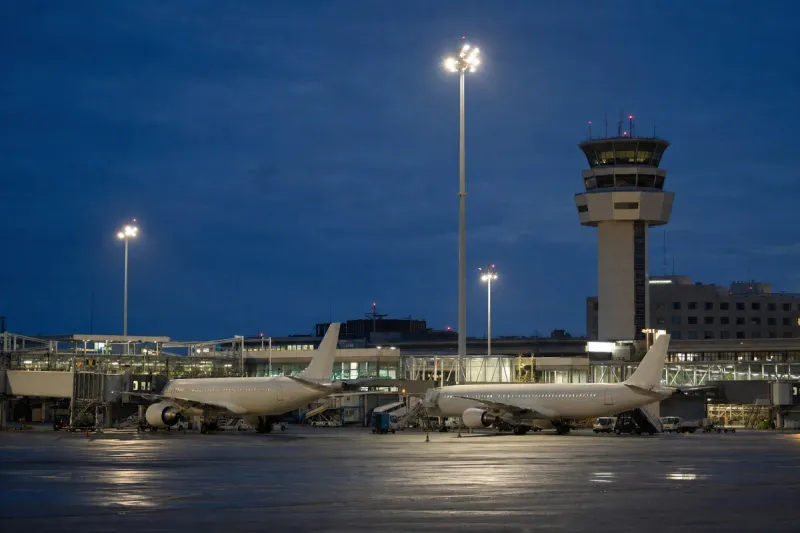
By Wednesday, Sept. 23, most of Iran's neighbors had suspended Iranian airline operations. The United Arab Emirates suspended all Iranian airlines as of midnight Sept. 23. Turkish Airlines, AJet and Pegasus canceled their Iran flights, with Turkish Airlines showing no Iran service until March 2027; a Turkish Airlines representative said there was "no guarantee flights would resume even after March 2027." Baghdad airport stopped handling Iranian carriers, though flights to Najaf continued. Georgia and Azerbaijan banned Iranian airlines outright. Mahan Air continued landing in Guangzhou after the Sept. 23 deadline, and service to Shanghai also continued.
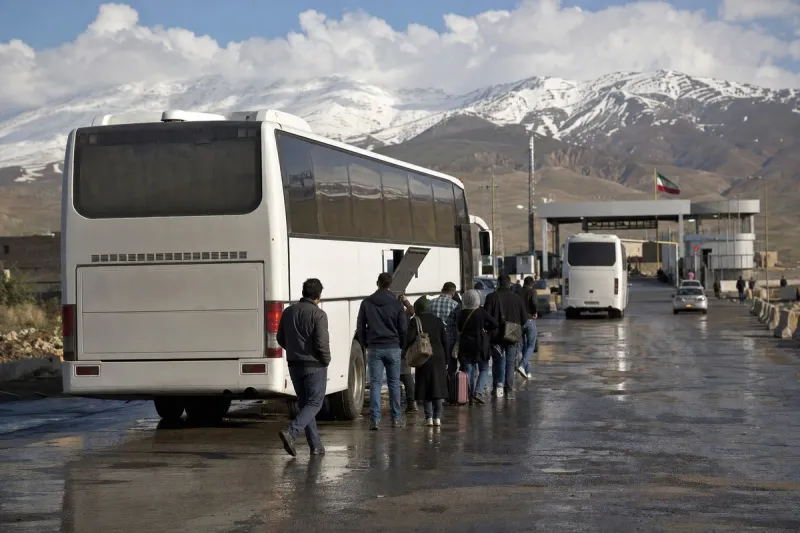
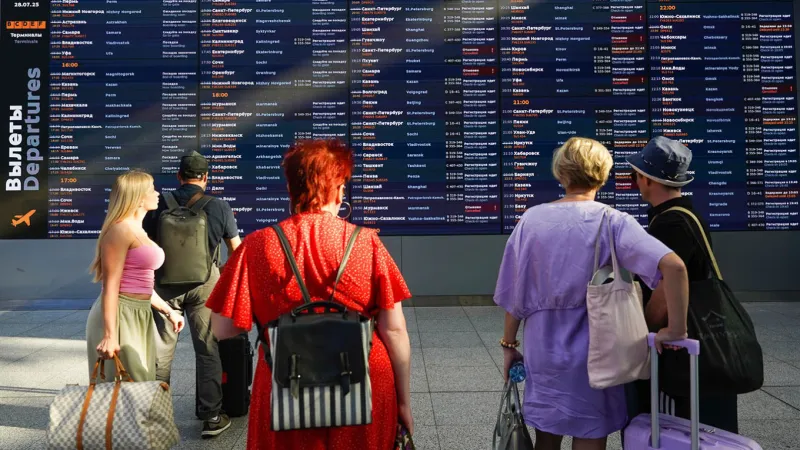
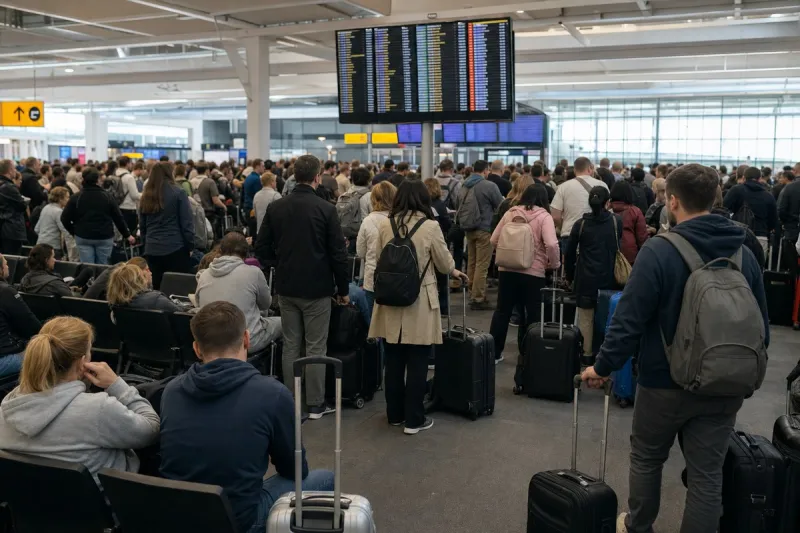
Inside Iran, travelers crowded the Bazargan and Razi border crossings into Turkey, with bus tickets selling for four times the normal price on the black market. Iran-based aviation expert Mohammadreza Ebrahimpour described the measures as representing "a new level of sanctions in action." Brent crude rose 1.36% to $101.70 a barrel early Tuesday, Sept. 22, and by Thursday, Sept. 24, Brent had risen approximately 4.5% in a day to roughly $107.67 following Houthi missile attacks on Saudi export terminals. National average regular gasoline stood at $4.48 per gallon on Sept. 24, up from $3.16 a year earlier, with diesel averaging $6.51 compared with $3.69 a year ago, according to AAA. Iranian President Masoud Pezeshkian, speaking at the United Nations on Sept. 23, said "Iran cannot be forced to surrender through war." U.S. and Iranian negotiators were separately exploring a deal to lift naval blockades on tankers crossing the Strait of Hormuz.
Where compliance split
The response divided sharply by geography. Iran's immediate neighbors and Turkey moved fastest: the UAE cut off all Iranian carriers at midnight, Turkish Airlines and its budget affiliates AJet and Pegasus pulled Iran routes through at least March 2027, and Georgia and Azerbaijan imposed outright bans. Baghdad kept servicing Najaf flights even as it stopped handling other Iranian carriers, a partial compliance that shows the sanctions did not produce a uniform regional shutdown.
China was the clearest holdout, with Mahan Air continuing to land in Guangzhou past the Sept. 23 deadline and service to Shanghai also continuing. That gap between Gulf-and-Turkey compliance and Chinese continuity marks the practical limit of a dollar-access threat: it works on carriers, handlers and fuelers with exposure to the U.S. financial system, and works less on those without it.
Industry impact & what to watch
This is a case of financial-system leverage being extended past the sanctioned party itself to every intermediary an airline needs to operate a flight: the fueler, the ground handler, the airport authority and the ticket agent. Aviation runs on a dense web of local-currency and dollar-denominated transactions at nearly every stop, which is exactly why threatening dollar access at each link can ground a carrier faster than sanctioning the airline alone.
The speed and unevenness of compliance also shows how this mechanism actually functions in practice. Jurisdictions with heavy dollar-system exposure, the UAE, Turkey, Georgia, Azerbaijan, moved within two days of the deadline, while China's continued handling of Mahan Air in Guangzhou and Shanghai demonstrates that the threat has less force where the counterpart is less dependent on U.S. dollar clearing.
What happens at the Iran-Turkey border crossings and inside China's ongoing service will be the two clearest signals to track. A Turkish Airlines representative's caveat that flights might not resume even after March 2027 suggests the neighboring-country shutdown could outlast the current standoff, while continued Chinese landings mark the boundary of how far this dollar-access lever currently reaches.