Investigation Finds Dutch Ministers Made Inaccurate Claims About Caribbean Airspace Closure After U.S. Venezuela Operation
Why It MattersWhen airlines cite "closed airspace" without naming the issuing authority, confusion between national NOTAMs and a foreign operator's own safety decisions can persist unresolved.
What happened
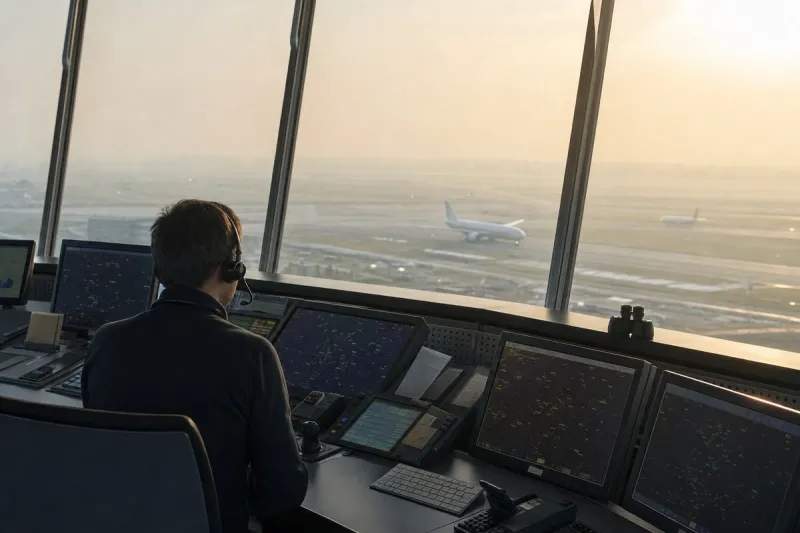
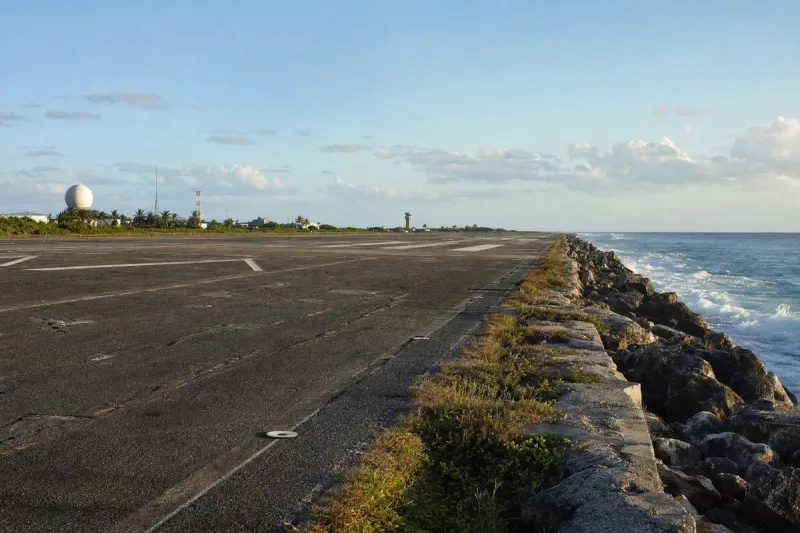
A months-long investigation by journalist Patricia Cronie for Argos, the investigative journalism program of VPRO and HUMAN on NPO Radio 1, found that Dutch government ministers made inaccurate statements about whether Caribbean airspace was closed during the U.S. military operation in Venezuela on January 3, 2026. The investigation also raised questions about where authority over Caribbean airspace lies within the Kingdom of the Netherlands.
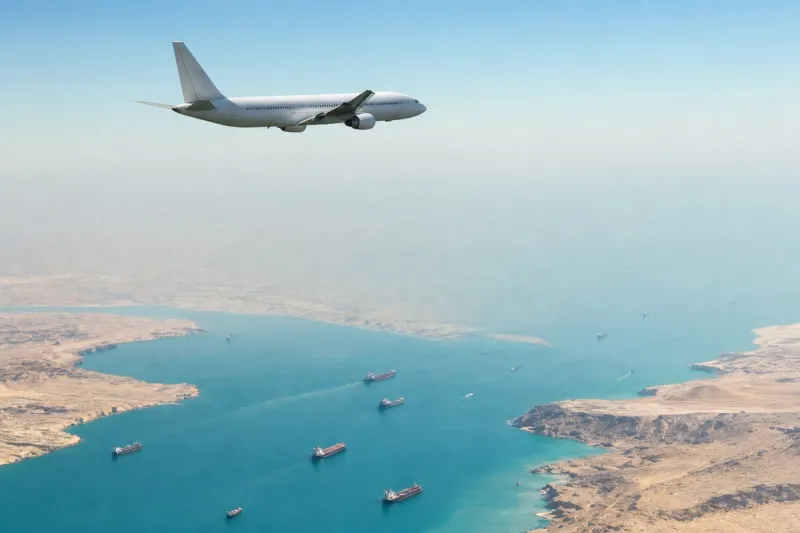
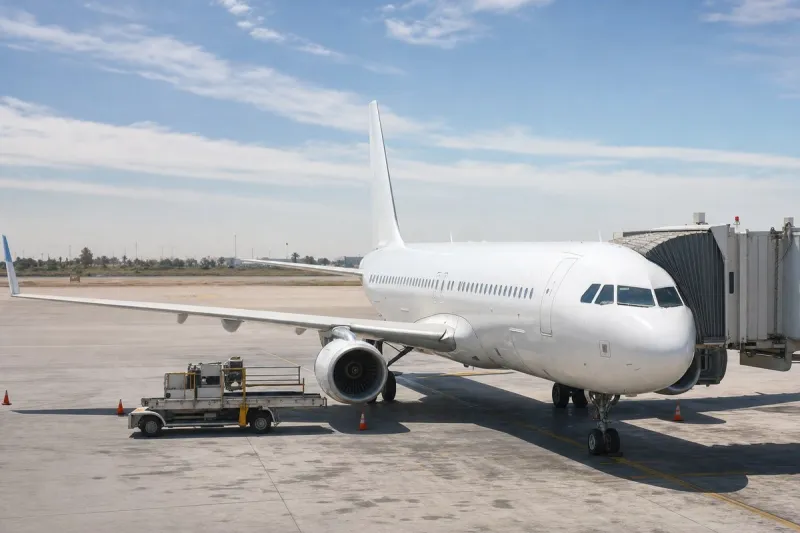
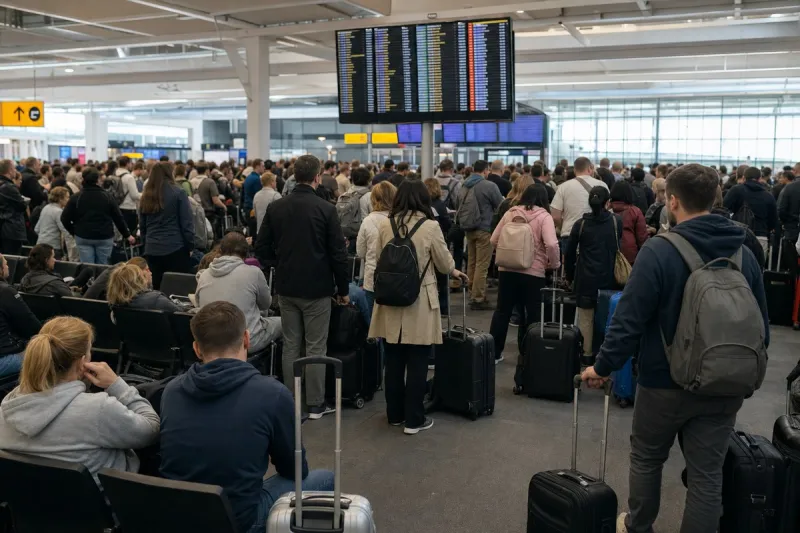
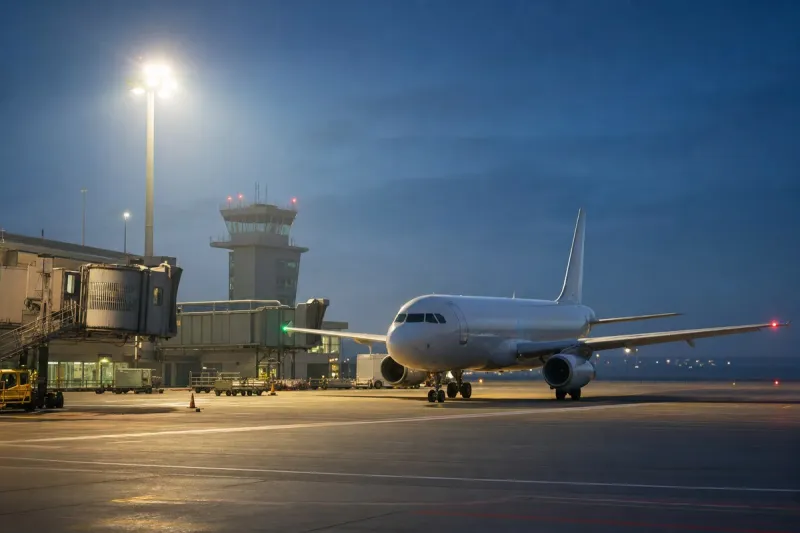
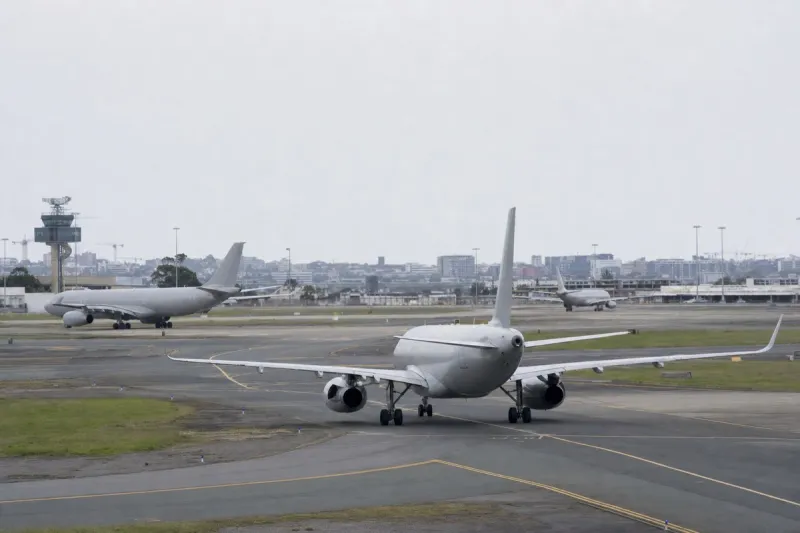
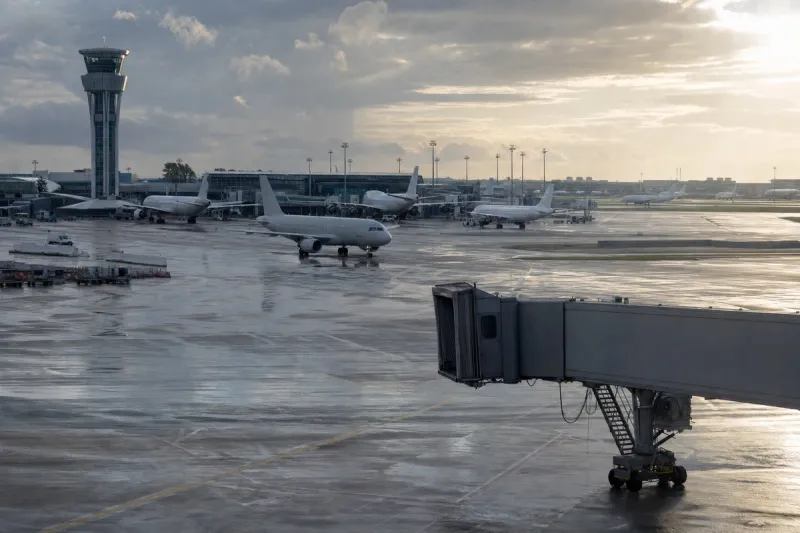
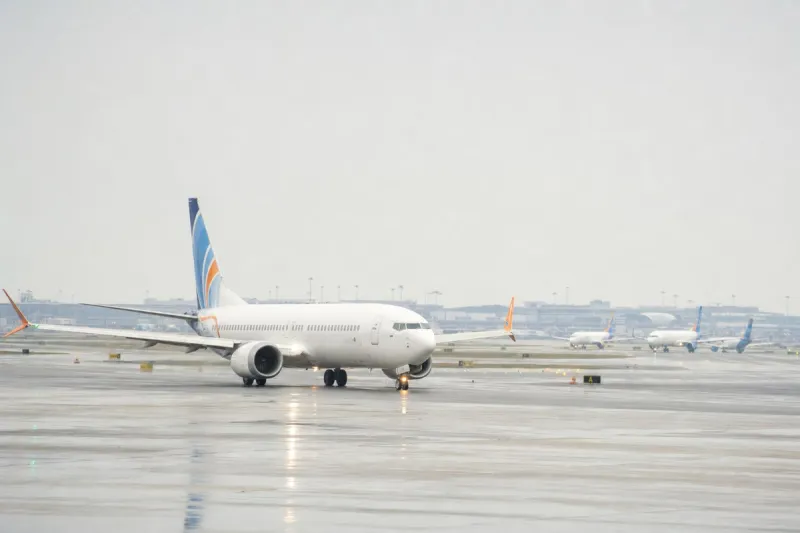
On January 3, KLM, TUI and Corendon canceled flights to Aruba, Bonaire and Curaçao. KLM stated that "the airspace around Curaçao" had been closed; TUI cited "imposed restrictions in local airspace"; Corendon issued a similar explanation. Authorities in Curaçao maintained the airspace was never formally closed, a contradiction that prompted Cronie's investigation. For the 35-minute documentary, Cronie spoke with air traffic authorities, government ministers, airlines and experts in Curaçao, Aruba and the Netherlands.
During a Dutch Parliament committee debate on January 8, then-Foreign Affairs Minister David van Weel said that "fortunately, after 24 hours, the airspace was reopened and air traffic resumed." The Dutch Ministry of Foreign Affairs later told Argos that Van Weel had meant commercial airline operations had resumed after 24 hours. Then-Defense Minister Ruben Brekelmans made a similar claim at a press conference in Aruba on January 5, stating the airspace had been closed for a period of time. When asked about the source of their claims, KLM, TUI and Corendon did not provide Argos with a clear answer; KLM told the program it independently decided to suspend flights due to safety concerns, and TUI and Corendon said they made their own decisions based on safety considerations.
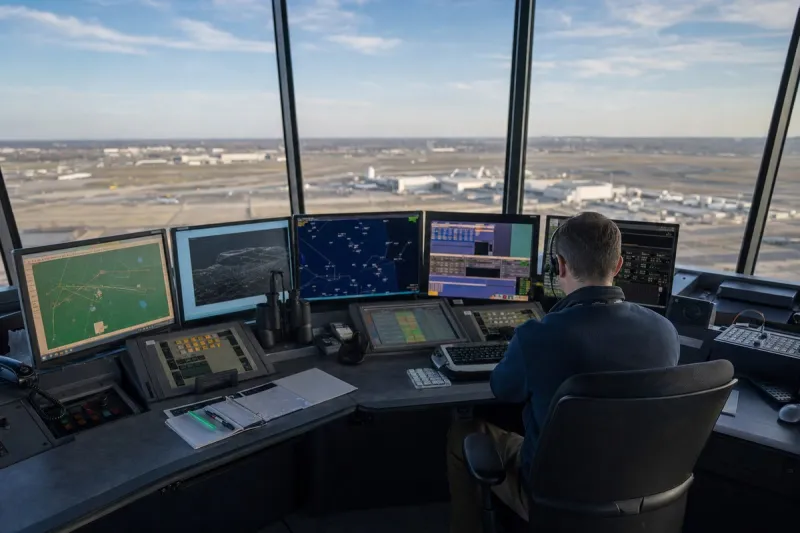
A U.S. Federal Aviation Administration Notice to Air Missions was in effect on January 3, imposing flight restrictions on American civil aviation, but those restrictions did not apply to Dutch airlines. Curaçao's Minister of Traffic, Transportation and Urban Planning, Charles Cooper, said: "The airspace does not belong to the Americans. So they cannot decide whether our airspace is closed or not. The Americans don't decide here; we decide here." The 35-minute documentary was broadcast on Argos on NPO Radio 1 on Saturday, September 26, at 8:00 a.m., is subsequently available through the Argos Actueel podcast, and was produced with support from the Fonds Bijzondere Journalistieke Projecten.
Industry impact & what to watch
This case sits at the intersection of sovereign airspace authority and airline risk decisions: a foreign NOTAM restricting one country's own aircraft got conflated, in public statements, with a blanket closure of a jurisdiction's airspace. Cronie argues the distinction matters because Dutch foreign affairs and defense ministers hold responsibilities covering the entire Kingdom, including the Caribbean islands, and inaccurate ministerial statements can feed into incorrect decisions.
Caribbean airspace within the Kingdom of the Netherlands is governed locally, as Curaçao's Charles Cooper stated plainly, yet commercial carriers cited "closed" or "restricted" airspace while later telling Argos the cancellations were their own independent safety calls rather than compliance with any formal closure. That gap between an airline's public explanation and its internal decision process is what the documentary's questioning exposed.
What remains to be settled is whether the Dutch government clarifies, on the record, what Van Weel and Brekelmans meant by their parliamentary and press statements, and whether KLM, TUI and Corendon offer a fuller account of what specifically drove their January 3 cancellations.