Kata'ib Hezbollah Threatens to Close Iraq's Airspace if Iran Air Ban Continues Past October 1
Why It MattersWhen armed factions threaten airspace access over a state's foreign-policy decisions, overflight and routing risk becomes politically contingent rather than purely regulatory, complicating carrier risk assessment in the region.
What happened
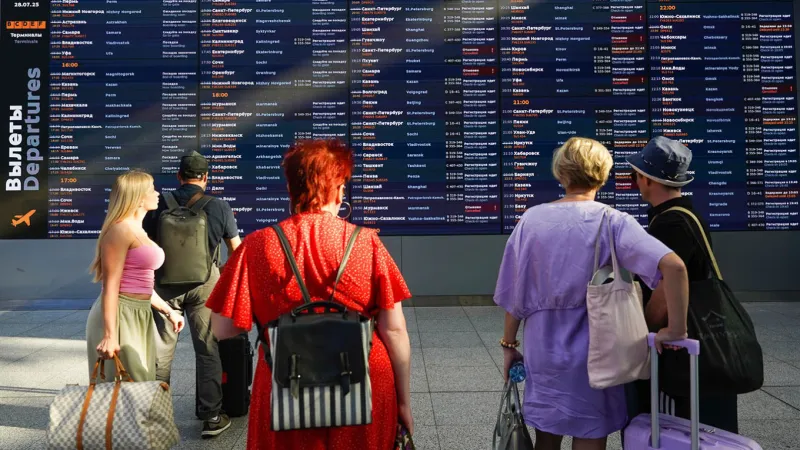
Hajj Abu Mujahid al-Assaf, security chief of Kata'ib Hezbollah, warned on Monday that if Iraq's air blockade against Iran continues beyond October 1, his group's supporters may move to close Iraqi airspace entry points to countries participating in the ban. The warning followed the Iraqi government's decision to halt flights to and from Iran after the Trump administration introduced an air embargo against Iran.
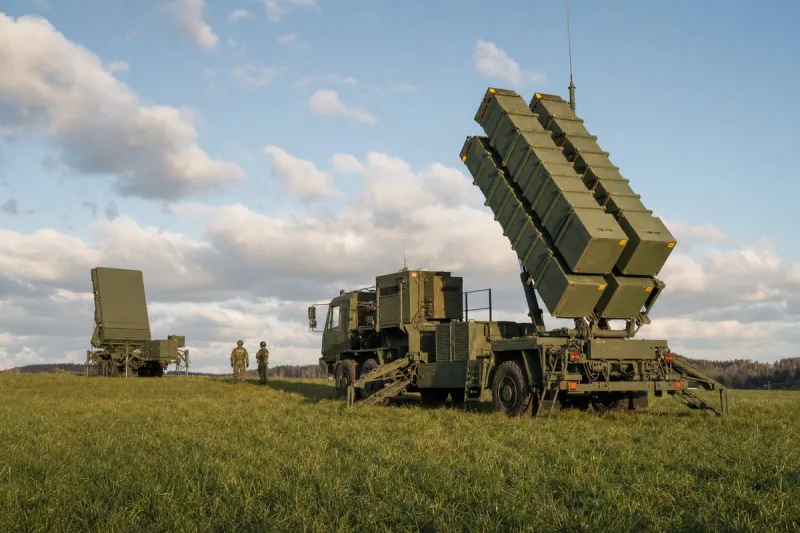
In a formal statement, al-Assaf declared: "If the air blockade on the Islamic Republic continues after October 1 of this year, our proud people will take a clear stance that may extend to closing the entry points of the countries participating in the blockade of the faithful Iranian people." The statement also said the Islamic Resistance would monitor Iraqi airspace against what it termed hostile aircraft, saying it would first issue warnings and then "work to shoot them down." Al-Assaf further said any government not acting in the interest of the people would be brought down "by all means," directing remarks pointedly at Iraqi Prime Minister Ali Faleh Al-Zaidi and those he described as standing behind him.
Kata'ib Hezbollah is an Iran-aligned armed faction in Iraq. The group's statement frames October 1 as coinciding with a planned celebration of what it describes as the expulsion of U.S. and NATO forces from Iraq.
Industry impact & what to watch
Threats of this kind sit outside normal aviation regulation: they are political leverage aimed at a government's foreign-policy choice, using airspace access as the pressure point rather than a safety or technical dispute. Carriers and flight planners who route through or near Iraqi airspace generally rely on government-issued NOTAMs and state-level threat assessments to decide on avoidance, rerouting, or altitude adjustments, and a non-state armed faction's public statement adds a layer of risk that official channels do not yet reflect.
What happens next depends on whether Iraq's government maintains the flight halt to and from Iran past October 1, and whether Kata'ib Hezbollah's supporters act on the stated threat to close entry points or target aircraft. Any move by international or regional aviation authorities to issue airspace warnings for Iraq in response would be the clearest signal that the threat has shifted from statement to operational risk.