Iran Threats and US Sanctions Push Middle East Aviation System Toward Crisis, with Global Consequences
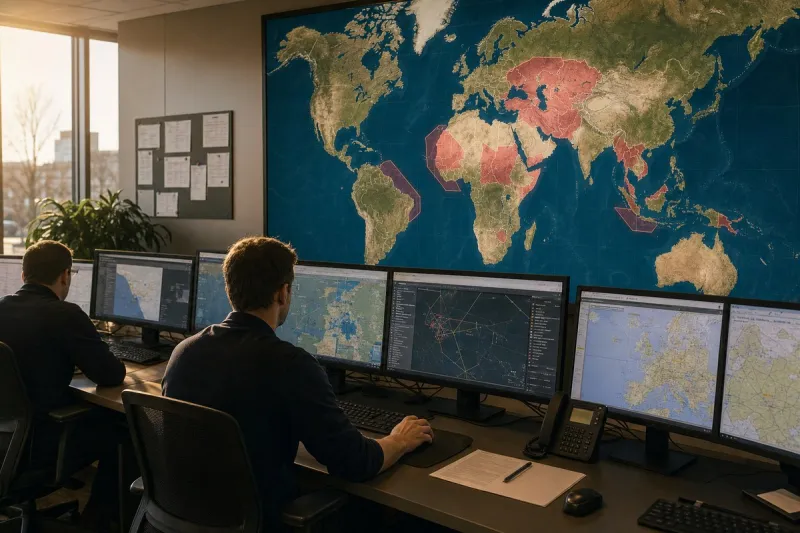
Why It MattersGulf airspace functions as a bridge between Europe and Asia, so stacked restrictions there can raise costs across long-haul networks without any single hub being physically disabled.
What happened
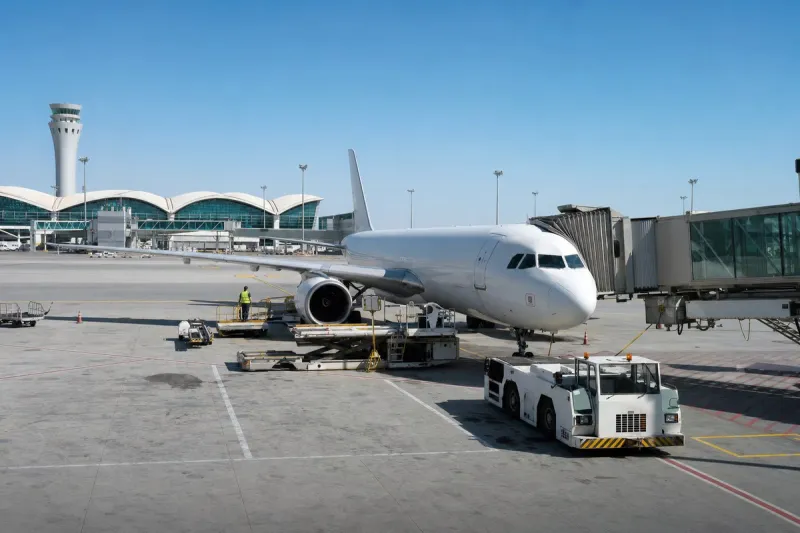
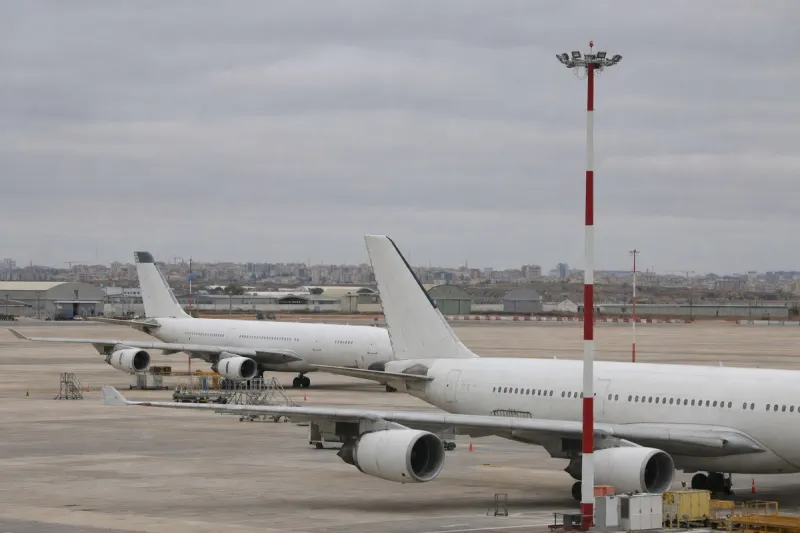
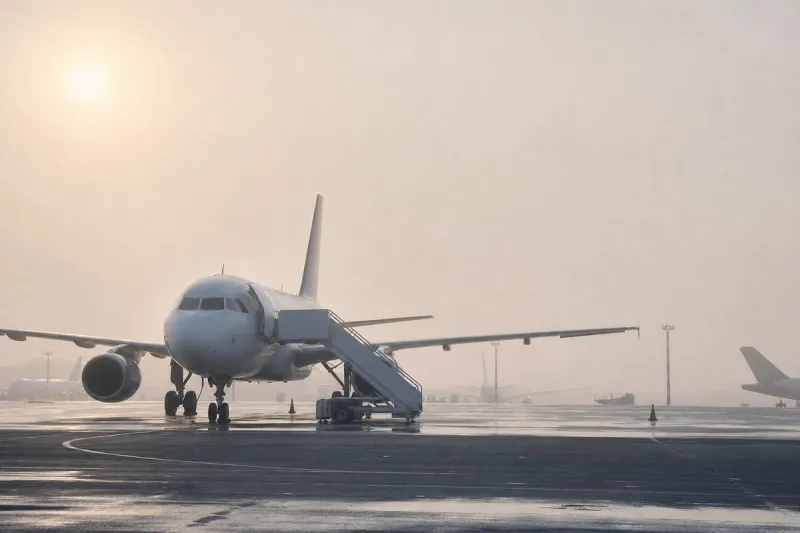
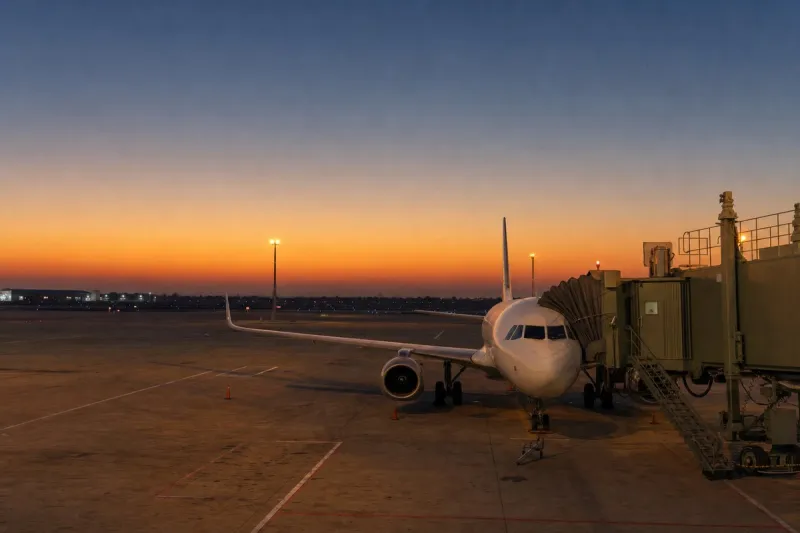
The United Arab Emirates has suspended Iranian airline flights in response to the latest US sanctions on Iranian carriers. Restrictions tied to the sanctions have also affected routes involving Oman, Georgia, Azerbaijan and Iraq. Iranian officials have warned that airports in countries cooperating with the US campaign to isolate Iranian carriers could themselves become unable to operate, a threat analysts describe as a serious escalation because airports are civilian infrastructure.
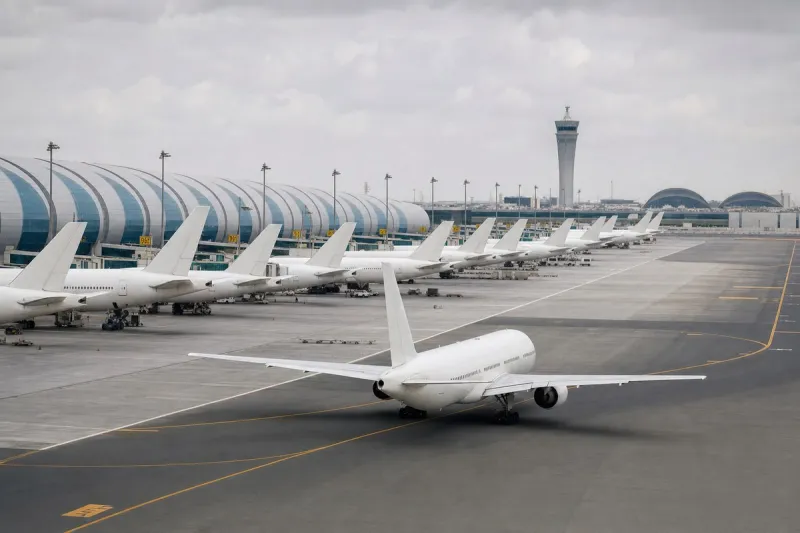
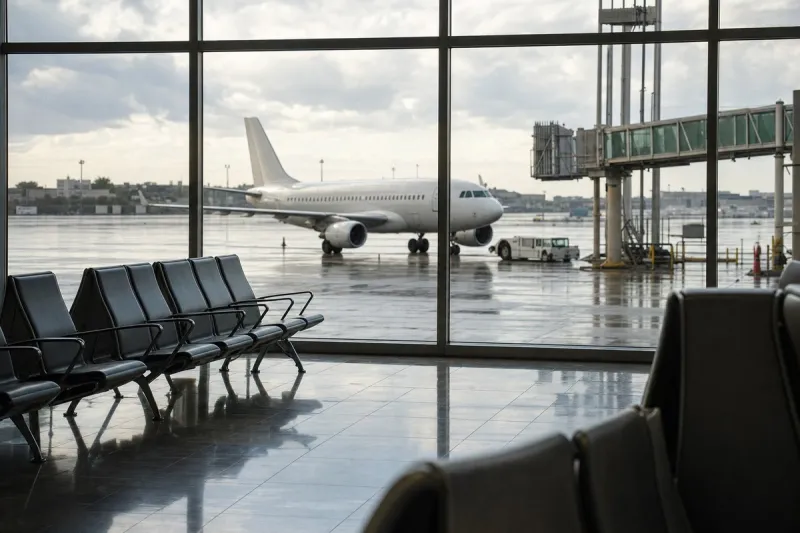
The Gulf region's aviation hubs — Dubai, Doha, Abu Dhabi, Muscat and Jeddah — serve as major connecting points between Europe, Asia, Africa and the Middle East. The European Union Aviation Safety Agency (EASA) currently maintains active conflict-zone information for Iranian airspace and the airspace of the Persian Gulf and Gulf of Oman, with guidance covering Bahrain, Kuwait, Qatar, the UAE and Oman extended through 30 September 2026. EASA warns that a sudden resumption of hostilities could create serious risks to civil aviation, and that military activity and air-defense systems raise the possibility of misidentification of civilian aircraft.
Analysts note that a significant disruption to Gulf hub operations could force airlines to reroute flights by hundreds or thousands of kilometers, increasing fuel consumption, crew requirements and operating costs across thousands of daily flights.
Industry impact & what to watch
This is a case of restrictions compounding one another in sequence — sanctions, flight suspensions and airspace warnings stacking up — without any single airport being physically destroyed. Analysts describe a chain-reaction scenario in which each new measure narrows the operating space for airlines a little further, and the cumulative effect can matter more than any one action taken alone.
Gulf airspace works as a geographic bridge for flights between Europe and South Asia, Southeast Asia and East Asia. An added hour of flying on long-haul routes affects fuel costs, aircraft scheduling and crew availability, and airlines forced around the region would face more congested alternative corridors while cargo-dependent supply chains for electronics, pharmaceuticals and high-value machinery absorb further disruption. Because aviation's cost structures are complex and tightly scheduled, prolonged geopolitical disruption in one corridor can raise costs for passengers who never fly near Iran, echoing how the pandemic, Red Sea shipping disruptions and the Ukraine war each spread transportation costs well beyond their point of origin.
What happens next depends on whether additional governments join the UAE in suspending Iranian carrier operations, and on whether EASA's conflict-zone guidance for the Gulf is revised before its current 30 September 2026 extension expires.