UAE Suspends Iranian Airlines, Major Carriers Halt Dubai Flights as US-Iran Tensions Drive Brent Above $106
Why It MattersProlonged airspace and shipping-lane disruption forces carriers into rolling reroutes and schedule delays while alternative export routes and diplomatic contacts remain the key unresolved variables for regional air and energy traffic.
What happened
The UAE General Civil Aviation Authority (GCAA) suspended all Iranian airline services to and from the UAE effective September 24, responding to a US ban on Iranian carriers operating at airports in various countries. The GCAA said it would continue to update the public as the situation develops.
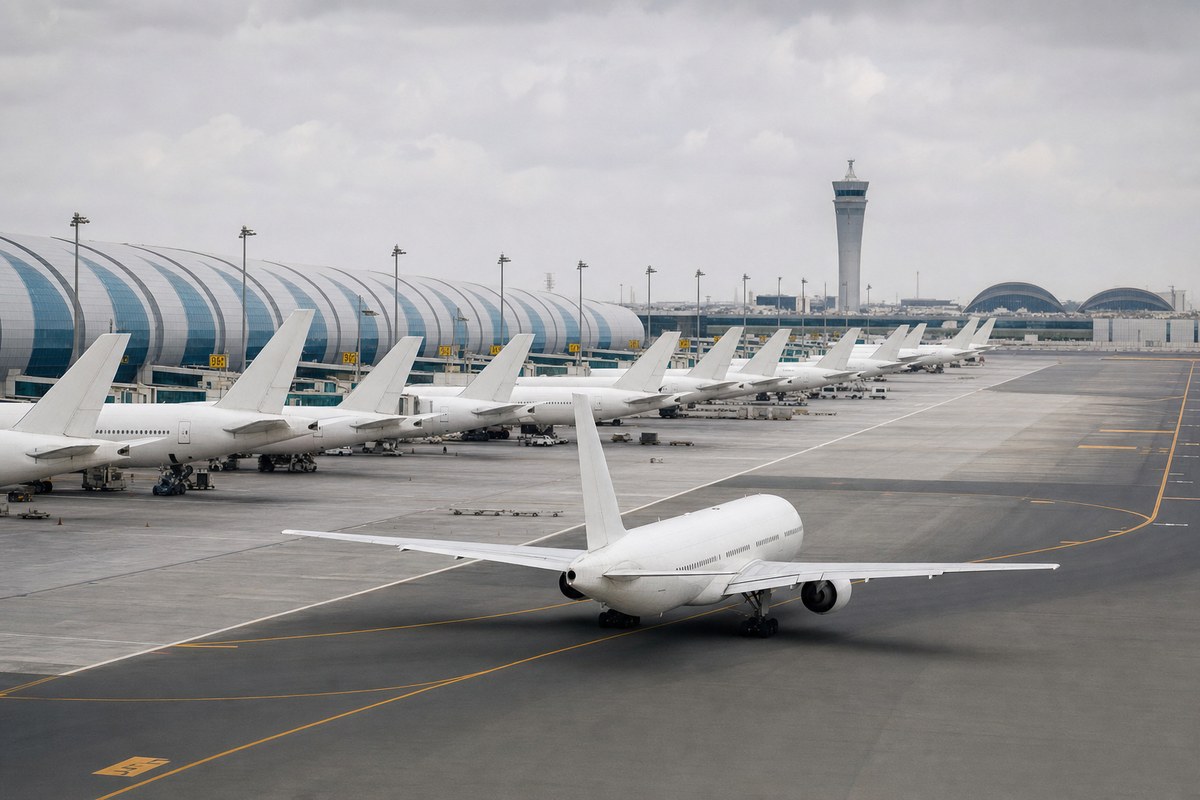
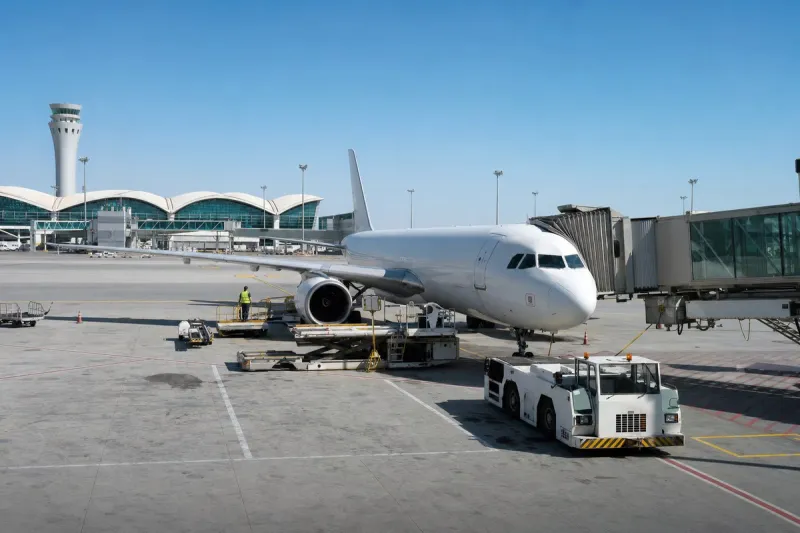
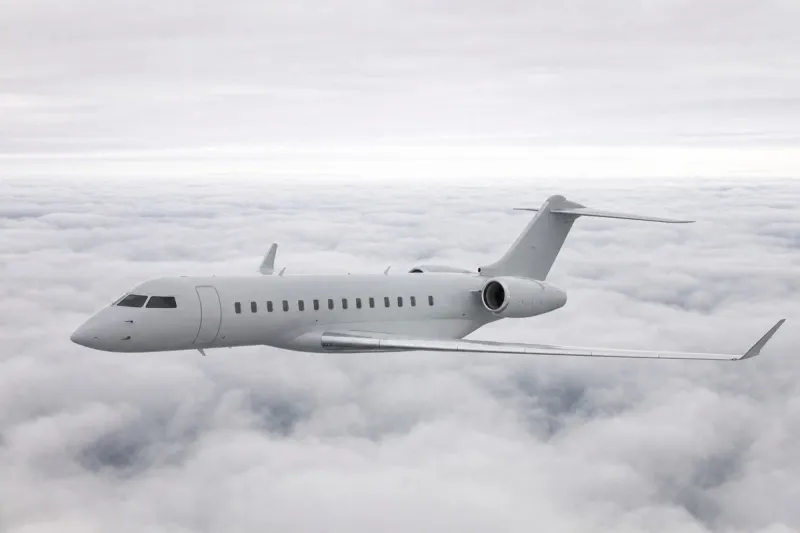
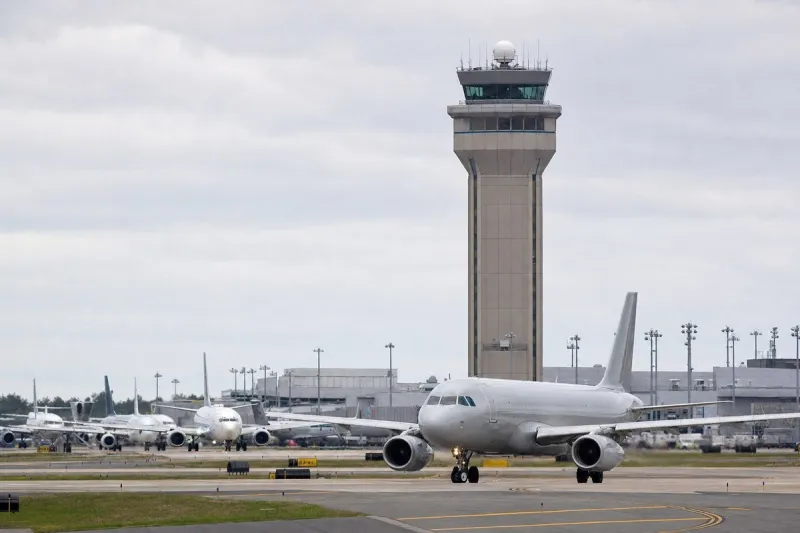
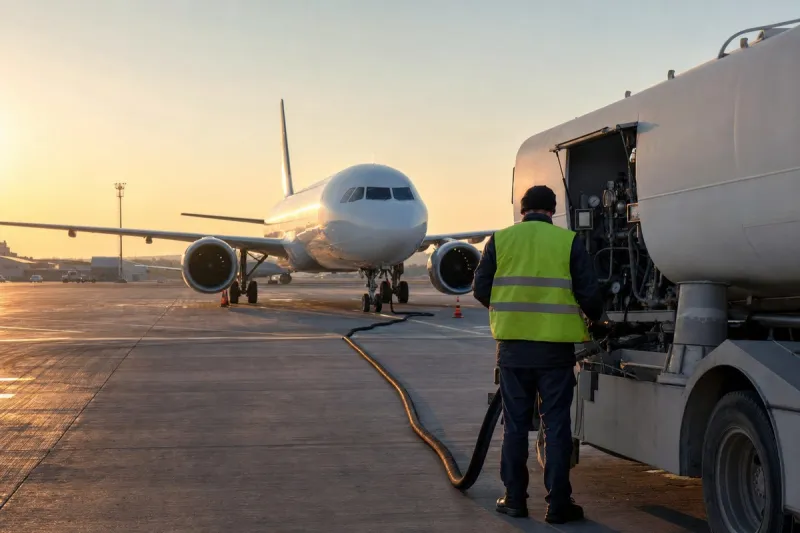
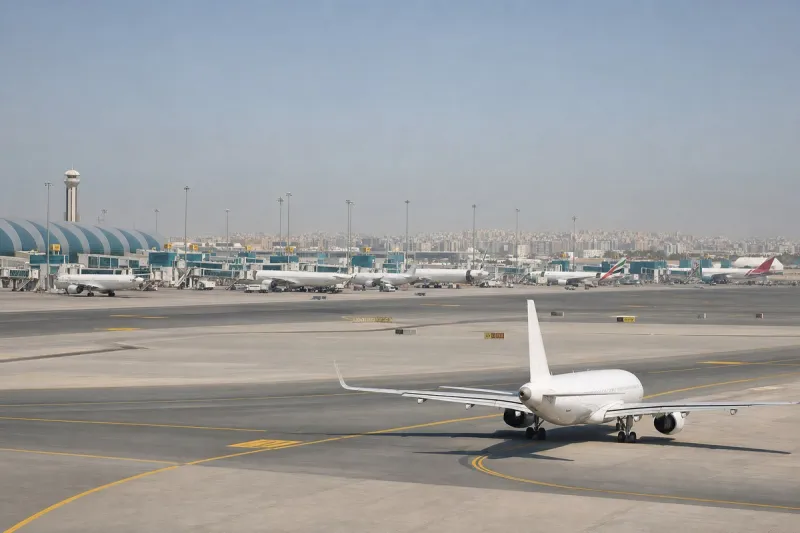
Dubai International Airport and Abu Dhabi's Zayed International Airport remain open and operational. Emirates continues to fly its network but is warning passengers to check individual flight status because of airspace restrictions and rerouting. Etihad is operating international services from Abu Dhabi, with normal booking availability reported for the Abu Dhabi–Delhi route on September 25, though a technical delay affected Beirut service EY583/EY584 on September 24. flydubai is operating a reduced schedule, with longer flight times on some routes due to rerouting.
Several major international carriers have extended Dubai service suspensions: Air France through October 13; Singapore Airlines, KLM, ITA Airways, SWISS and Eurowings through October 24, with Eurowings currently scheduling a resumption on November 1; and Air Canada until mid-January 2027. Philippine Airlines plans to resume Manila–Dubai service on October 2, initially four times weekly. Turkish Airlines has resumed Dubai and Abu Dhabi services but keeps Tehran flights suspended.
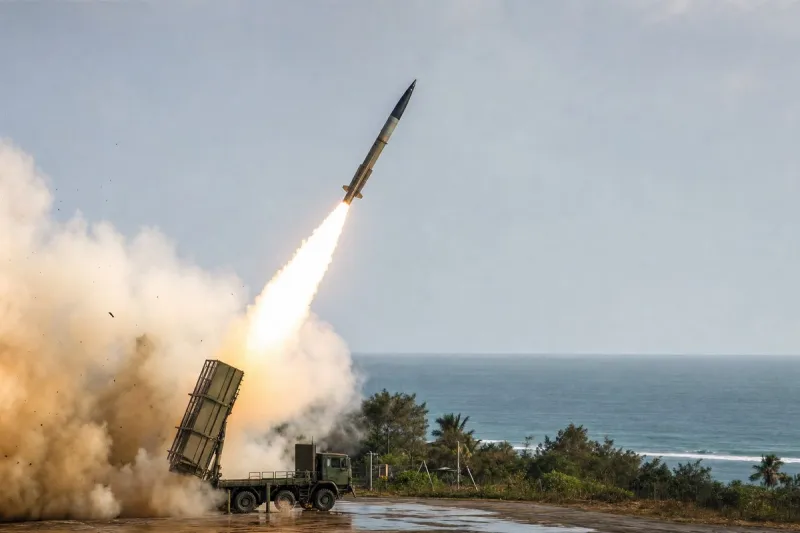
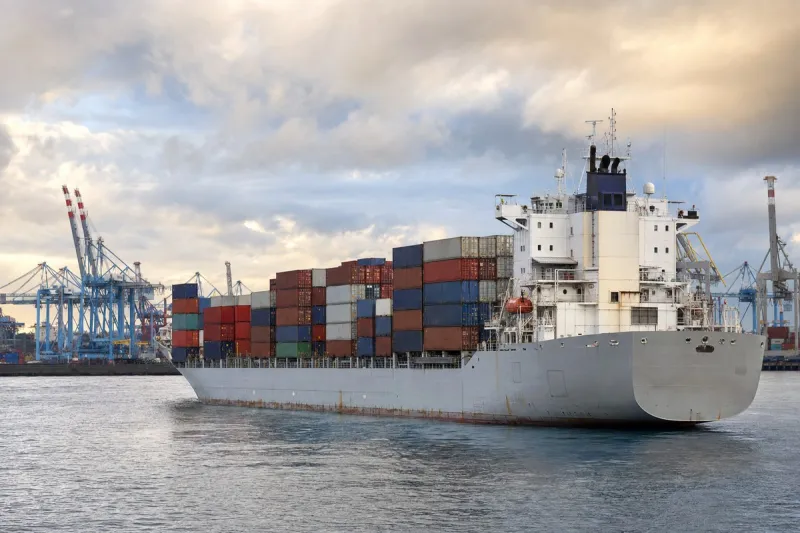
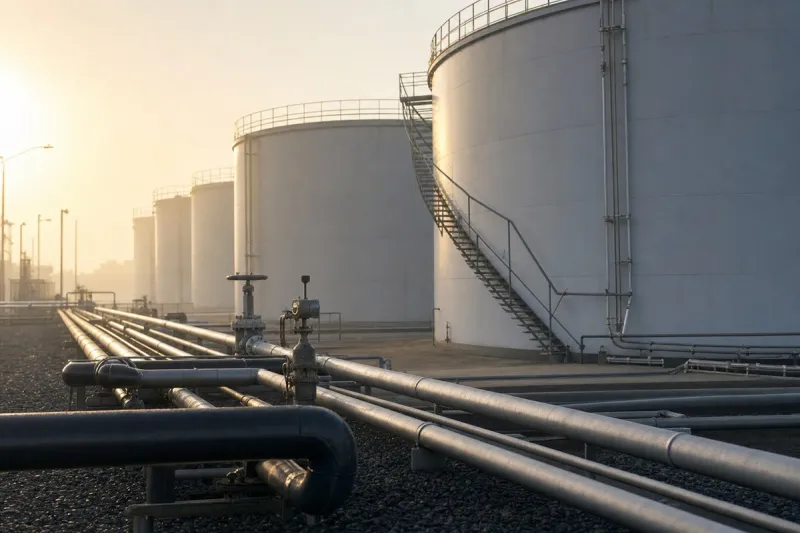
On energy markets, Brent crude has risen above $106 per barrel amid ongoing Houthi missile and drone attacks on Saudi Arabia and continued disruption around the Strait of Hormuz. Saudi Arabia has been increasing crude movements through its East-West pipeline as an alternative export route, with trackers reporting a sharp rebound in Saudi crude exports in September. Shipping traffic through the Strait of Hormuz remains far below normal levels, though AIS tracking does not capture all vessels since some ships disable their transponders. Tentative US-Iran diplomatic contacts are ongoing, but no breakthrough has been confirmed.
Industry impact & what to watch
Regional carriers are absorbing a regulatory shock layered on top of an existing security disruption: an airline-specific suspension tied to a US measure now sits alongside airspace avoidance driven by the Hormuz and Houthi situation, and airlines are managing both simultaneously rather than sequentially. That is why the responses vary by carrier — some extending Dubai suspensions by weeks, others resuming with caveats, others simply rerouting and absorbing longer flight times.
This illustrates how exposed Gulf hub traffic is to compounding risk: airspace policy, missile and drone activity, and shipping-lane disruption each move independently but land on the same routes and the same airports at once. Carriers with more route flexibility, like Emirates maintaining network operations with live status warnings, are managing through communication rather than suspension, while others with less redundancy default to pausing service until conditions clarify.
The near-term signals worth tracking are the staggered resumption dates already on the table — Philippine Airlines on October 2, the October 13 and October 24 European suspensions, and Eurowings' provisional November 1 restart — since any slippage or acceleration in those dates will show whether airlines see the disruption easing or hardening. Saudi Arabia's pipeline rerouting and the pace of its crude export rebound will indicate how much of the Hormuz bottleneck can be absorbed outside the strait. Whether the tentative US-Iran diplomatic contacts produce any confirmed movement remains the variable that would most directly reshape both the airline suspensions and the oil-price pressure.