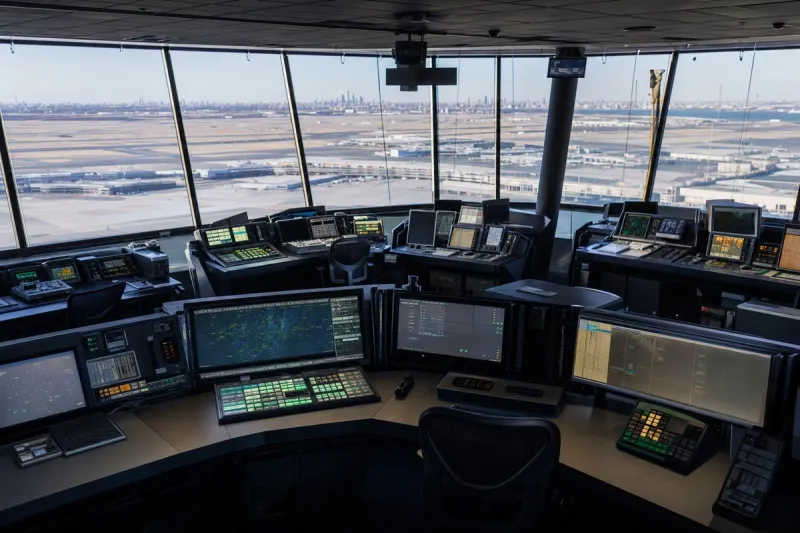
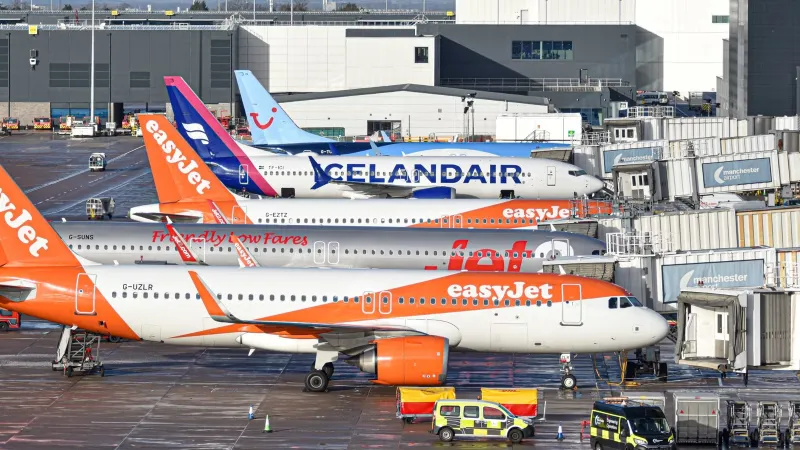
UK air traffic control NATS responsible for just 4% of Europe's ATC-caused delays despite recent outages, IATA data shows
Why It MattersAggregate delay-share statistics can understate operational risk at a single provider because they exclude cancellations, meaning headline reliability rankings and real-world disruption from a mass-cancellation event can diverge sharply.
What happened
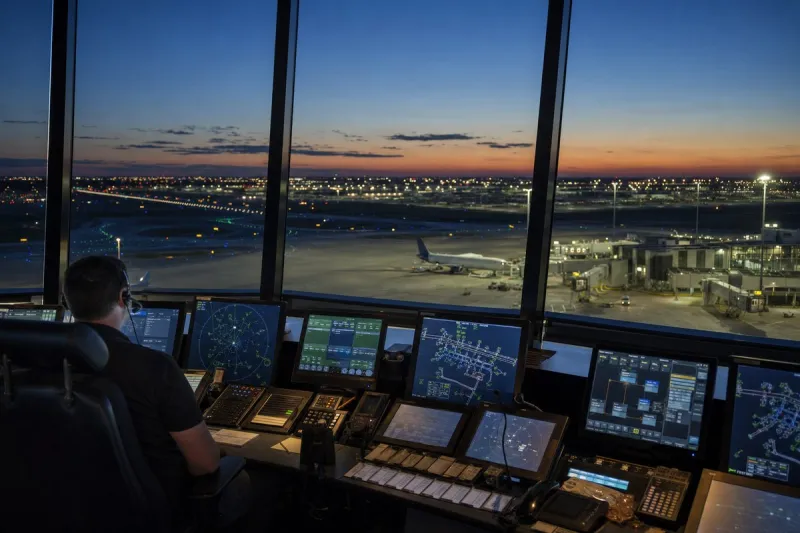
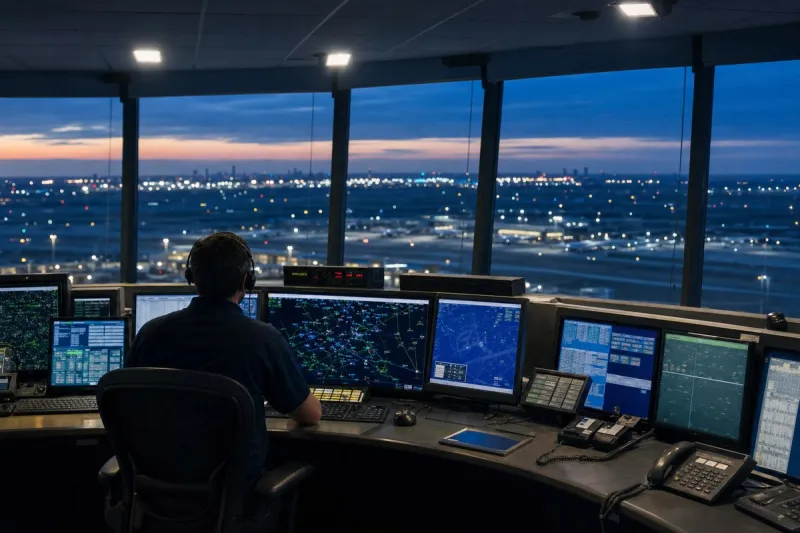
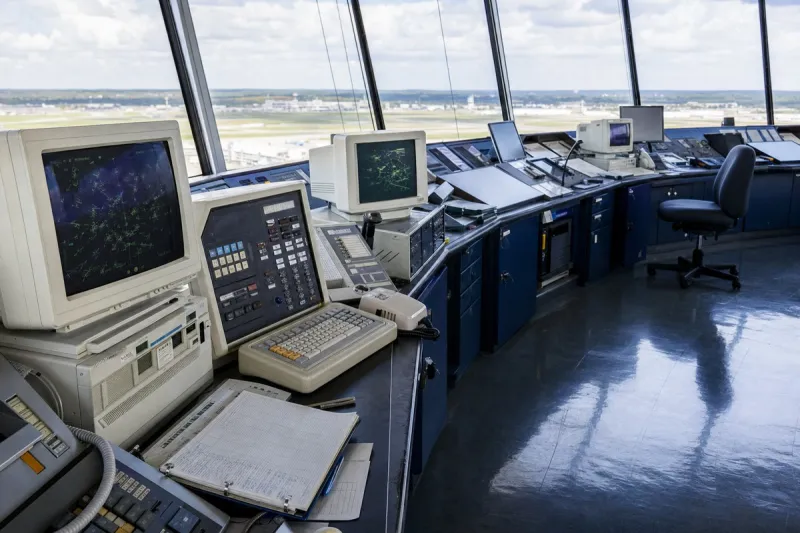
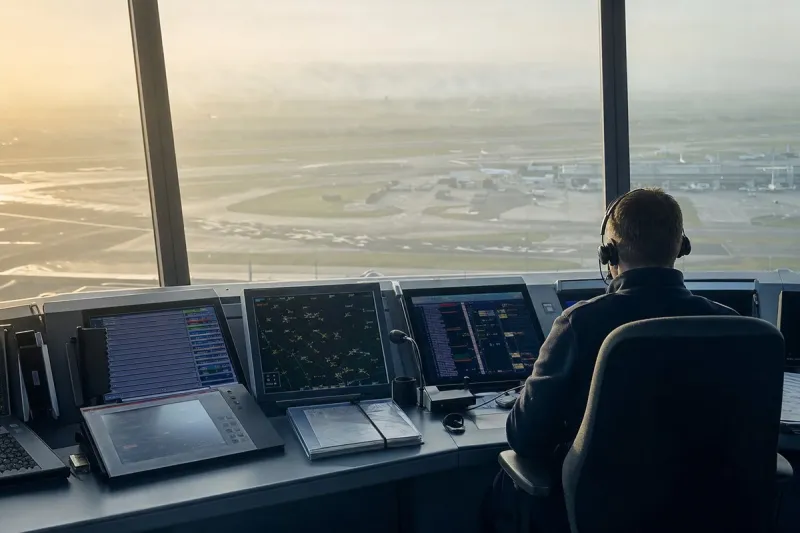
A connectivity issue at NATS's Prestwick centre on Monday caused flight delays and more than 150 cancellations, coming two weeks after a systems failure at NATS's Swanwick control centre that resulted in more than 2,000 cancellations over two days. The Swanwick-area disruption occurred despite the implementation of 34 recommendations issued by the Civil Aviation Authority following a NATS software problem three years earlier that delayed 1,600 flights and affected 700,000 passengers. Ryanair's chief operating officer Neal McMahon called for the resignation of NATS's chief, saying "Enough is enough."

The September 8 outage was caused by a software defect: during the one millisecond in which a plane was being assigned an identifying code, the system received a higher-priority instruction, corrupting data and forcing a system reboot. The earlier 2023 failure was traced to software that stalled when presented with a flight plan containing two identically named waypoints located thousands of miles apart.
IATA's analysis of air navigation service provider-caused delays across Europe between 2015 and 2025 shows NATS accounted for just 4% of total delay minutes recorded, while France's DSNA was responsible for 33% and Germany's DFS for 19%. In terms of traffic handled, NATS controlled approximately 8% of the flight hours under consideration, compared with 14% for DSNA and 9% for DFS. Separate Eurocontrol data covering 2016 to 2025 shows NATS equipment caused around 122,000 minutes of delay, compared with 322,700 minutes attributable to DFS and 832,000 minutes to DSNA. DSNA was criticised in a French Senate report for continuing to rely on paper-based systems for arriving flights, using obsolete radio equipment, and operating a practice whereby controllers could skip shifts without recording or repercussion.
Industry impact & what to watch
The gap between NATS's small share of aggregate European delay minutes and the scale of disruption from its two recent outages illustrates a structural blind spot in how air navigation performance is measured: delay-minute totals only capture flights that departed late, so a system failure severe enough to trigger mass cancellations can register as a minor entry in the long-run statistics even as it strands hundreds of thousands of passengers.
Across Europe, ATC reliability comparisons typically rely on en-route delay data that excludes transatlantic airspace and, by definition, excludes cancellations entirely — a methodology that flatters any provider whose failures tend toward shutdowns rather than slowdowns. DSNA's larger share of delay minutes reflects sustained congestion-driven friction, a different failure mode from NATS's episodic but acute outages, and the two are not directly comparable on the same scale without that distinction.
What happens next depends on whether the CAA's review of the September 8 incident identifies further software vulnerabilities beyond the 34 recommendations already implemented after the 2023 failure, and on whether airlines such as Ryanair succeed in forcing governance changes at NATS. Any future outage that again produces mass cancellations will continue to be underweighted in the same delay-minute datasets now being cited in NATS's defence.