New York-Area Flights Disrupted by Radar and Frequency Failures at JFK and Westchester on September 20
Why It MattersConcentrated dependence on a single regional radar facility means one equipment fault can cascade into multi-airport delays before controllers can isolate and reroute around the failure.
What happened
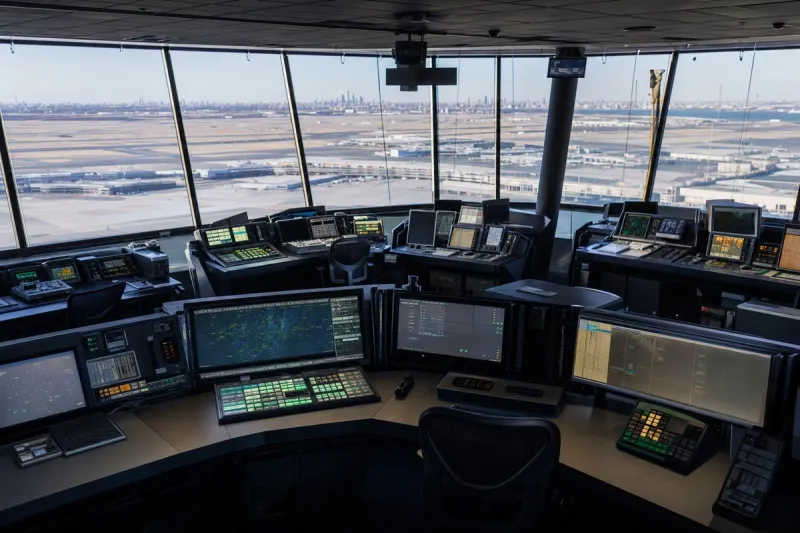
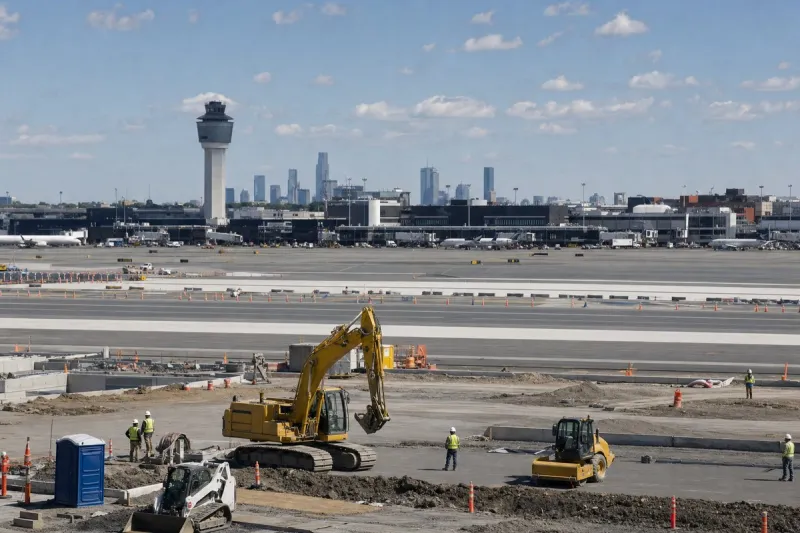
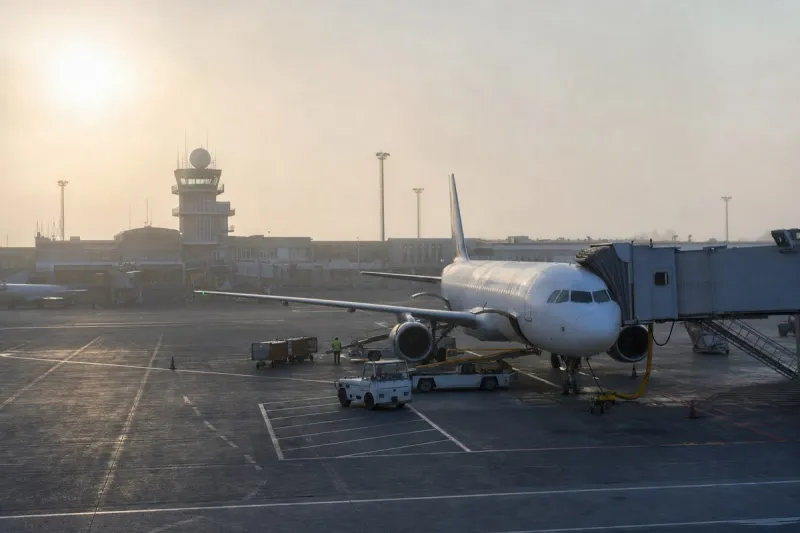
Flights across the New York metropolitan area were briefly slowed on Sunday, September 20, 2026, after air traffic control system failures struck multiple airports in the region. John F. Kennedy International Airport (JFK) experienced a total radar failure, while Westchester County Airport (HPN) suffered a total frequency failure that cut off communication between pilots and air traffic controllers. Both airports were holding flights at around 10:30 a.m. Eastern Time as technicians worked to address the problems.
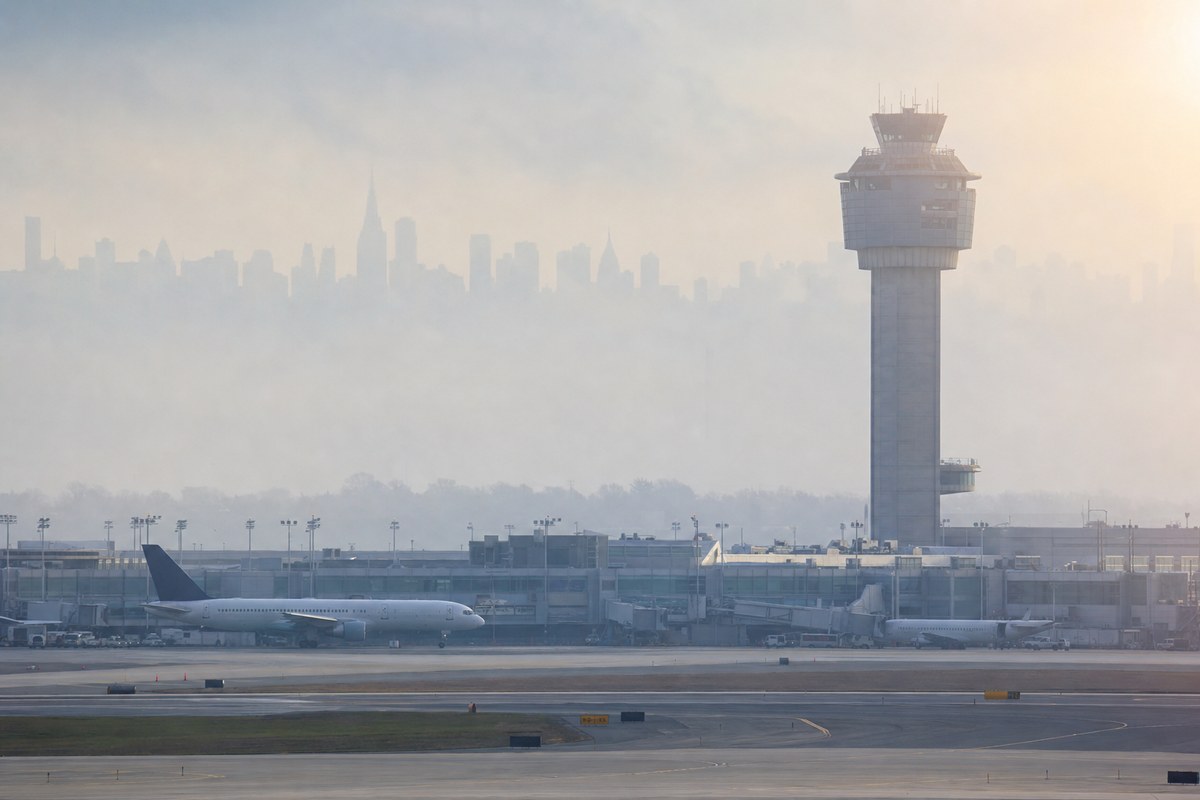
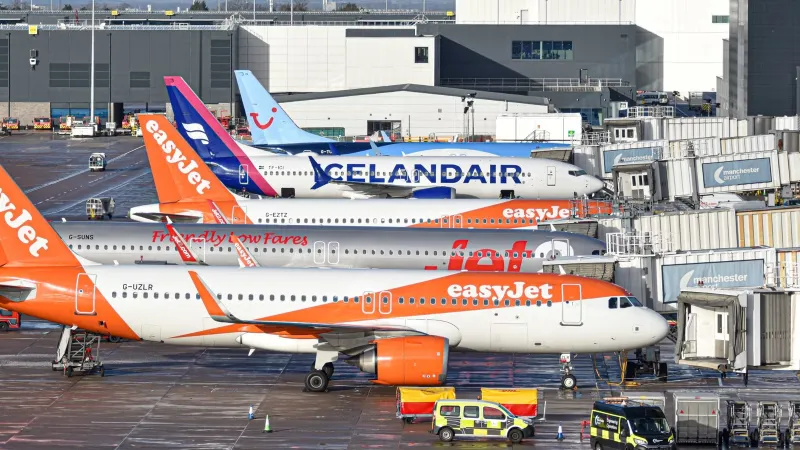
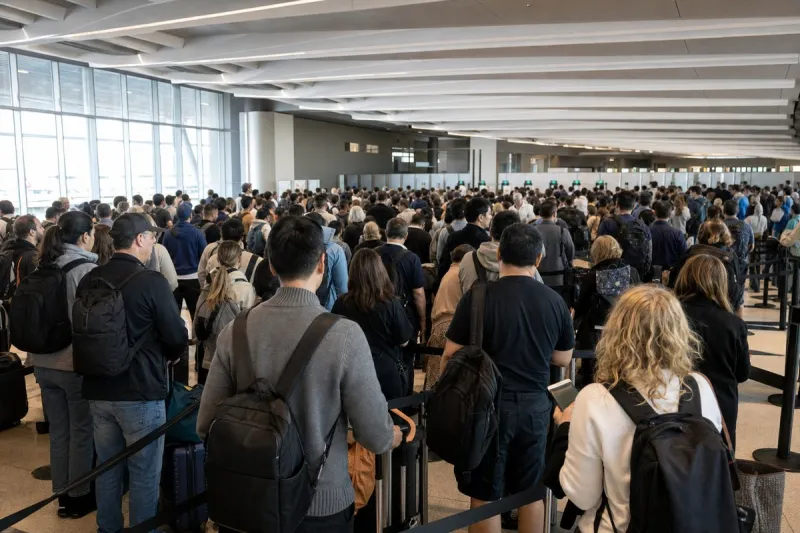
Newark Liberty International Airport (EWR) and LaGuardia Airport (LGA) also slowed arrivals. The Federal Aviation Administration (FAA) attributed those slowdowns to equipment trouble at New York Terminal Radar Approach Control (TRACON). Gate hold and taxi delays at Newark reached between 31 and 45 minutes, while LaGuardia experienced delays of 30 minutes or more. Ground stops were canceled at approximately 11:01 a.m. Eastern Time, and JFK was reported to be nearly back to normal operations shortly afterward; the FAA had by then removed Newark Liberty and LaGuardia from its ground delay program.
FlightAware data for the full day of September 20 recorded hundreds of delays at JFK, LaGuardia, Newark, Westchester, and Boston Logan International Airport. Newark Liberty logged 229 delays and 18 cancellations for the day, while Westchester recorded 30 delays. Boston Logan saw the most disruption overall, with the FAA citing traffic-management measures and broader operational challenges as the primary causes there. The FAA has not yet determined the cause of the radar and frequency failures at JFK and Westchester, or whether the two incidents were related; technicians are investigating both, and authorities are examining steps to prevent similar disruptions.
Industry impact & what to watch
Simultaneous equipment failures at two separate facilities, paired with knock-on slowdowns tied to a shared TRACON, show how tightly coupled the New York airspace system is: a fault at one node can ripple into gate holds and taxi delays at airports that had no equipment problem of their own. Newark and LaGuardia were not experiencing local failures — their delays came entirely from upstream radar approach control issues, which is how a regional air traffic architecture can turn a localized fault into a multi-airport event within the same morning.
The recovery pattern is itself informative: ground stops lifted within roughly half an hour once technicians addressed the immediate faults, and normal operations resumed at JFK shortly after, which points to a system built to isolate and clear transient equipment trouble quickly rather than one prone to extended outages. Boston Logan's separate, larger disruption that same day — attributed to traffic-management measures rather than equipment failure — is a reminder that not every delay in the FlightAware tally traces back to the same root cause.
What remains open is whether the JFK radar failure and the Westchester frequency failure share a common cause, a question the FAA and its technicians are still investigating. Any finding linking the two, or identifying a systemic vulnerability at New York TRACON, would matter more for how the region's controllers plan redundancy than the single day's delay count does.