Miami Airport Partially Reopens After Amazon Boeing 767 Runway Overrun; Runway 12/30 Remains Closed
Why It MattersThe incident shows how the presence or absence of runway safety infrastructure like EMAS shapes the tradeoff airports face between faster recovery of capacity and reduced protection during overrun events.
What happened
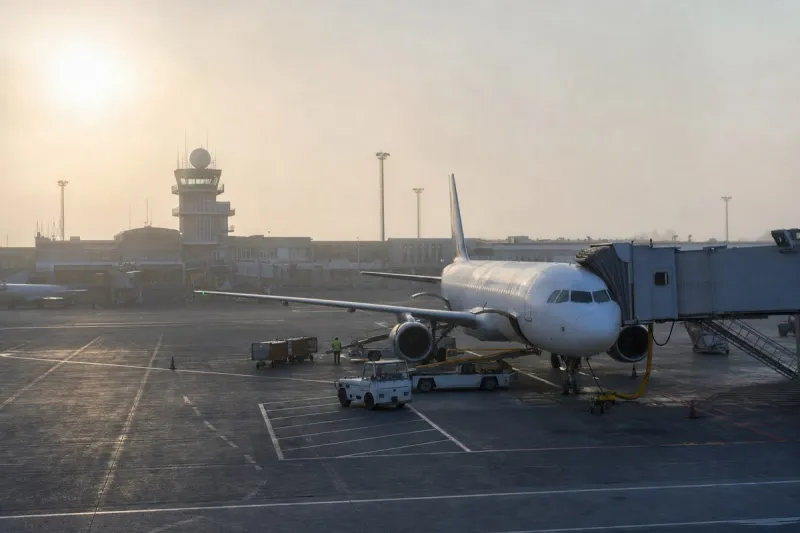
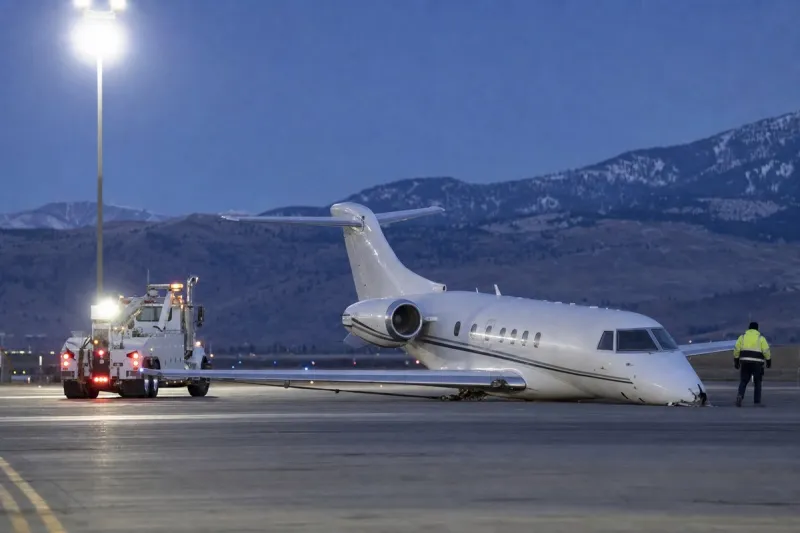
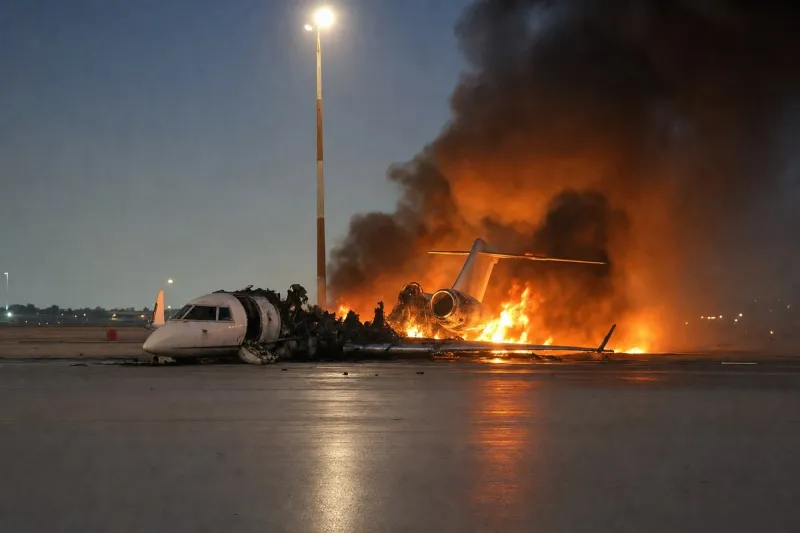
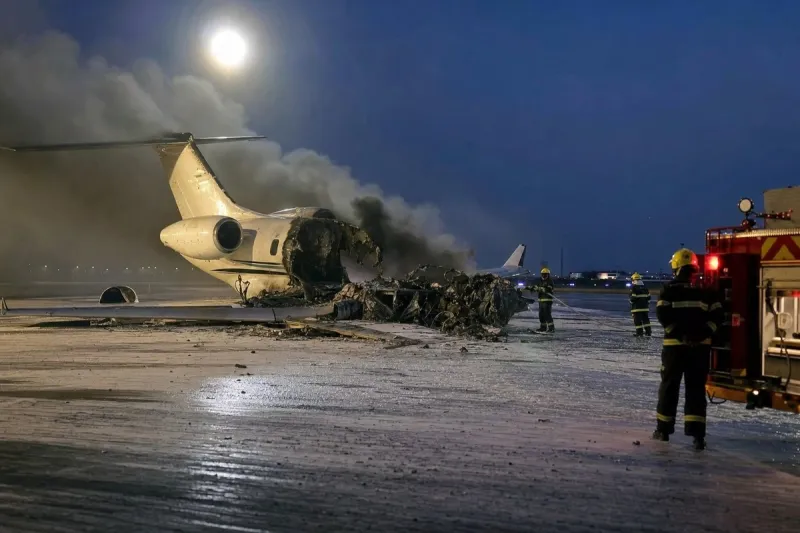
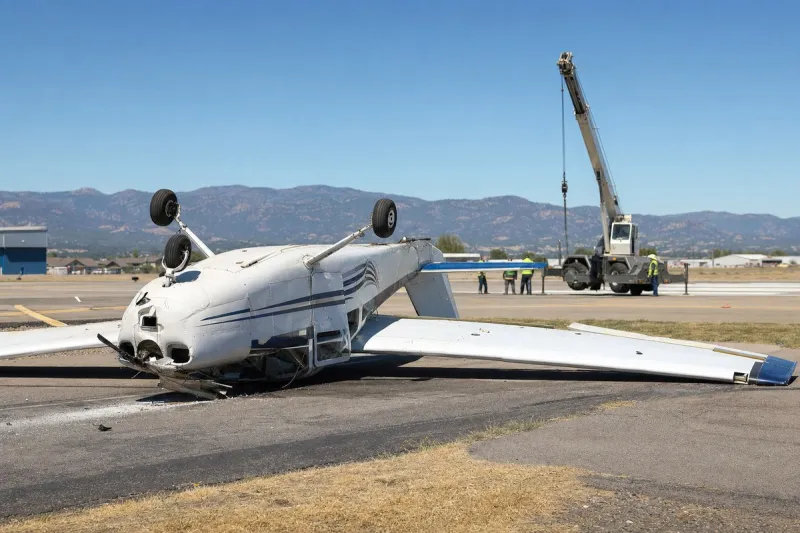
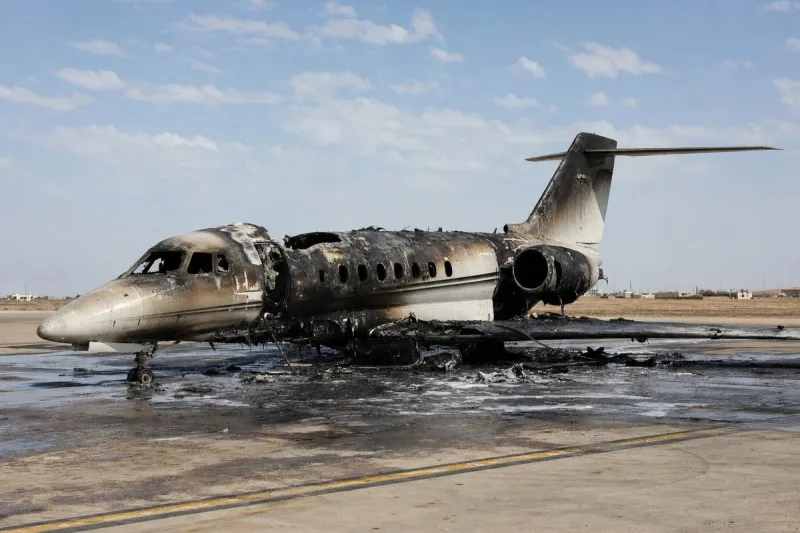
Miami International Airport has partially resumed operations after a Boeing 767 operated by 21 Air for Amazon Prime Air overran a runway, killing five people and injuring seven. The aircraft landed at 158 knots and skidded approximately 1,300 feet beyond the pavement, destroying runway lights, fencing, and fuel lines in the process.
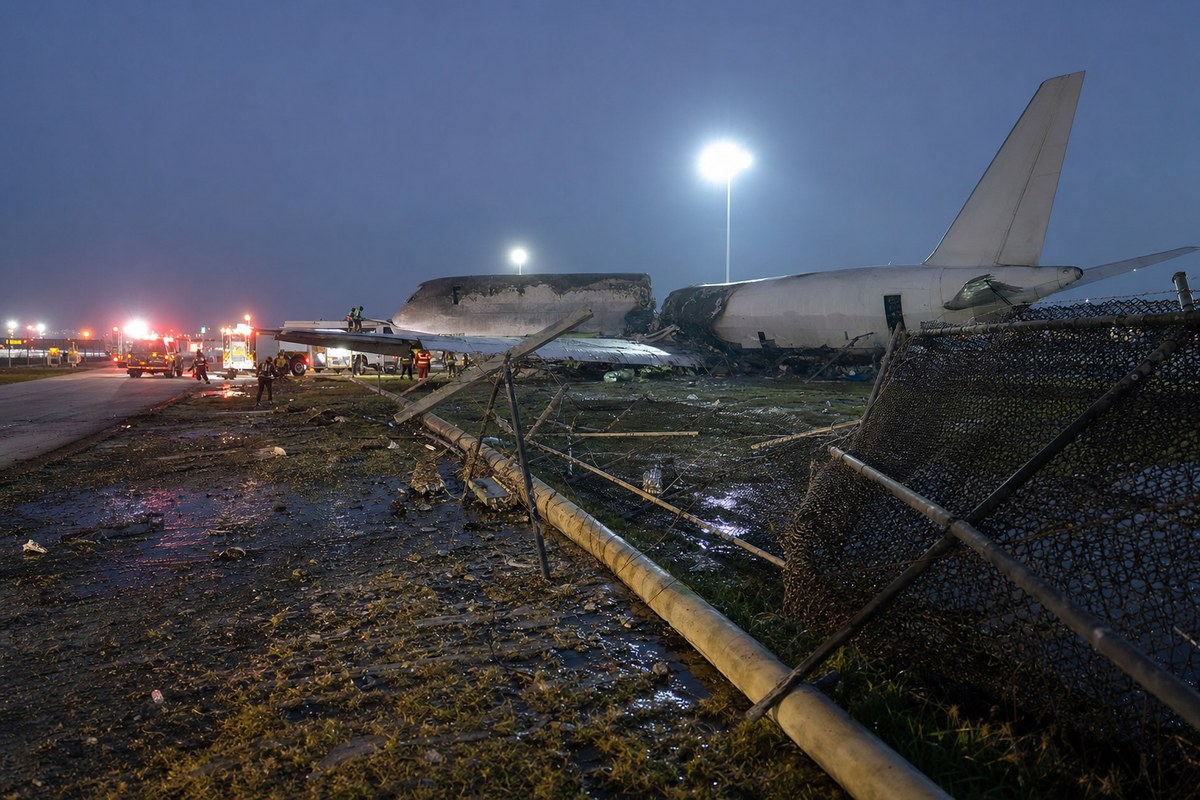
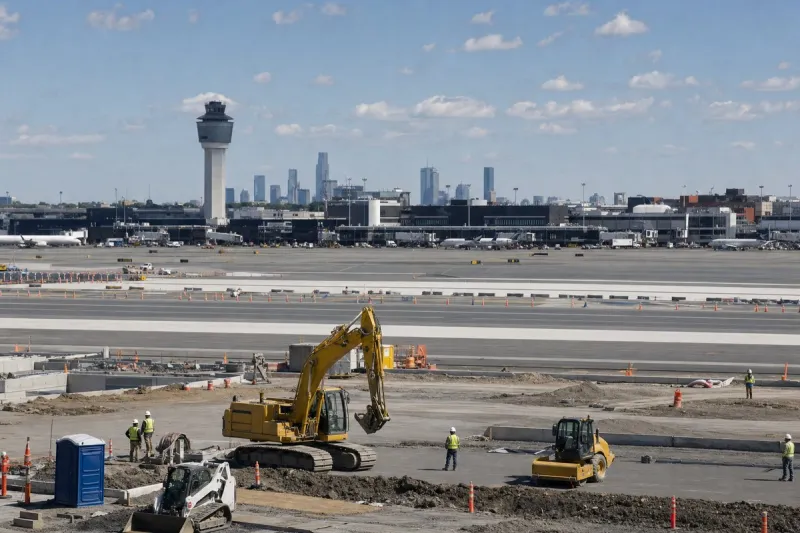
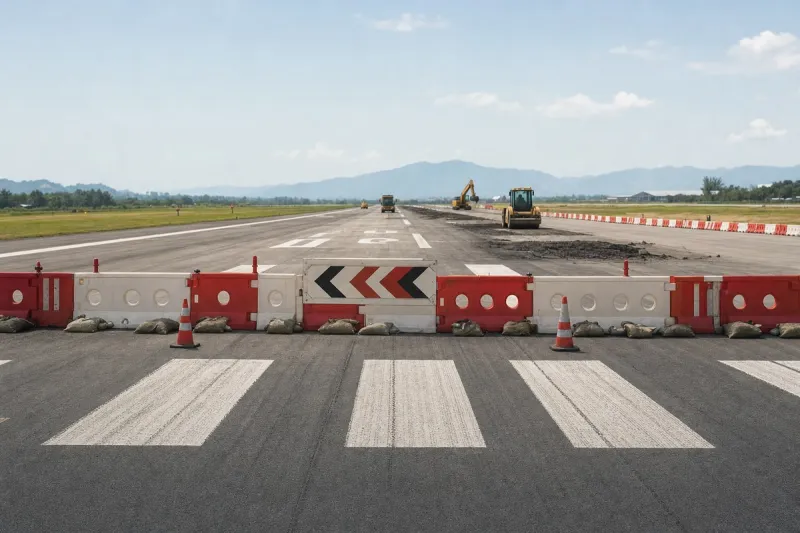
The overrun forced the closure of two runways. Eastbound departures resumed on September 8, and salvage crews later relocated the aircraft hull to a remote lot, which allowed further restoration of airport operations by September 16. Runway 12/30 remains closed because of structural damage to the tarmac and an ongoing investigation by the National Transportation Safety Board.
Miami International Airport does not have Engineered Material Arresting Systems, installations designed to slow aircraft before they exit paved surfaces. Authorities are assessing long-term infrastructure upgrades in response to the incident, while the airport continues to operate with reduced runway capacity and resulting delays.
Industry impact & what to watch
This overrun sits within a recurring category of runway excursions where the outcome depends heavily on what lies beyond the pavement end. Airports that have installed arrestor systems have in other cases stopped aircraft short of fatalities; Miami's lack of such a system meant the aircraft traveled thirteen hundred feet past the runway before the fencing and fuel infrastructure it struck brought it to a halt.
The tradeoff runs both ways operationally. Without an arrestor bed to excavate or repair, salvage crews were able to clear the hull and reopen eastbound departures within days, restoring most operations by September 16 even as Runway 12/30 stayed shut for structural repair and investigation. An airport with EMAS in the overrun zone might have faced a longer, more complex removal process even as it reduced the severity of the accident itself.
What happens next depends on the NTSB's findings on the runway's structural damage and on whatever infrastructure review Miami's authorities conduct in response. Until Runway 12/30 reopens, the airport's practical capacity — and the delays passengers are seeing — will remain a direct measure of how much this one runway closure is costing daily operations.