Russia's Aviation Fuel Crisis Spreads to 26 Airports Nationwide, Restricting Aircraft Refueling
Why It MattersWhen refinery damage removes capacity that cannot be quickly replaced through imports or substitute grades, airport-level fuel rationing becomes a multi-year operating constraint rather than a temporary bottleneck.
What happened
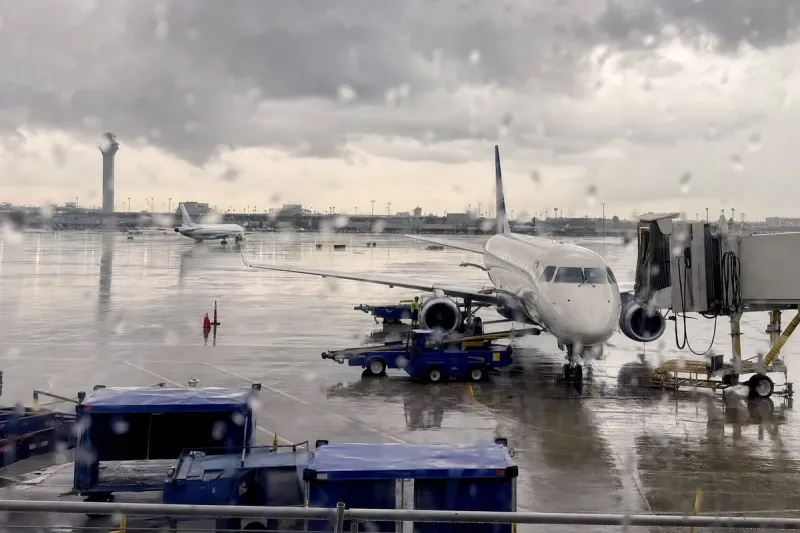
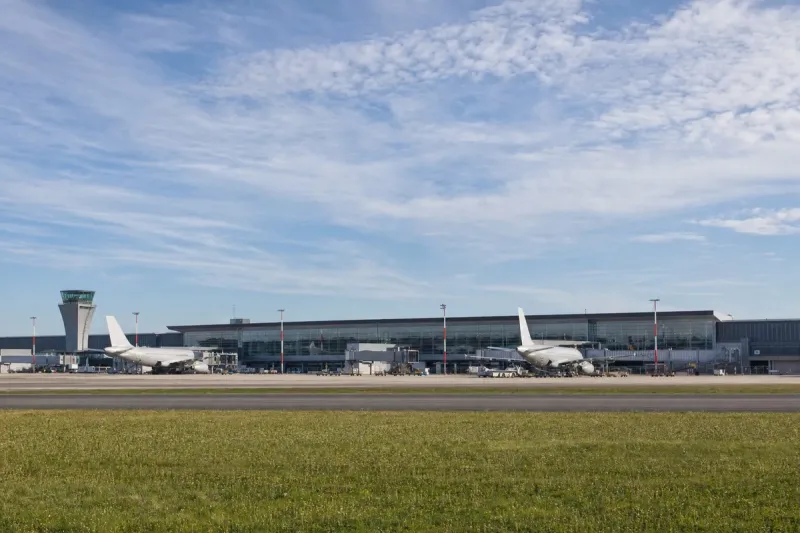
Restrictions on aircraft refueling are now in place at 26 airports across Russia, stretching from Kaliningrad in the west to Petropavlovsk-Kamchatsky in the Far East. The first restrictions were introduced in June, with a second wave following in September, and their duration varies by airport from approximately one month to seven months.
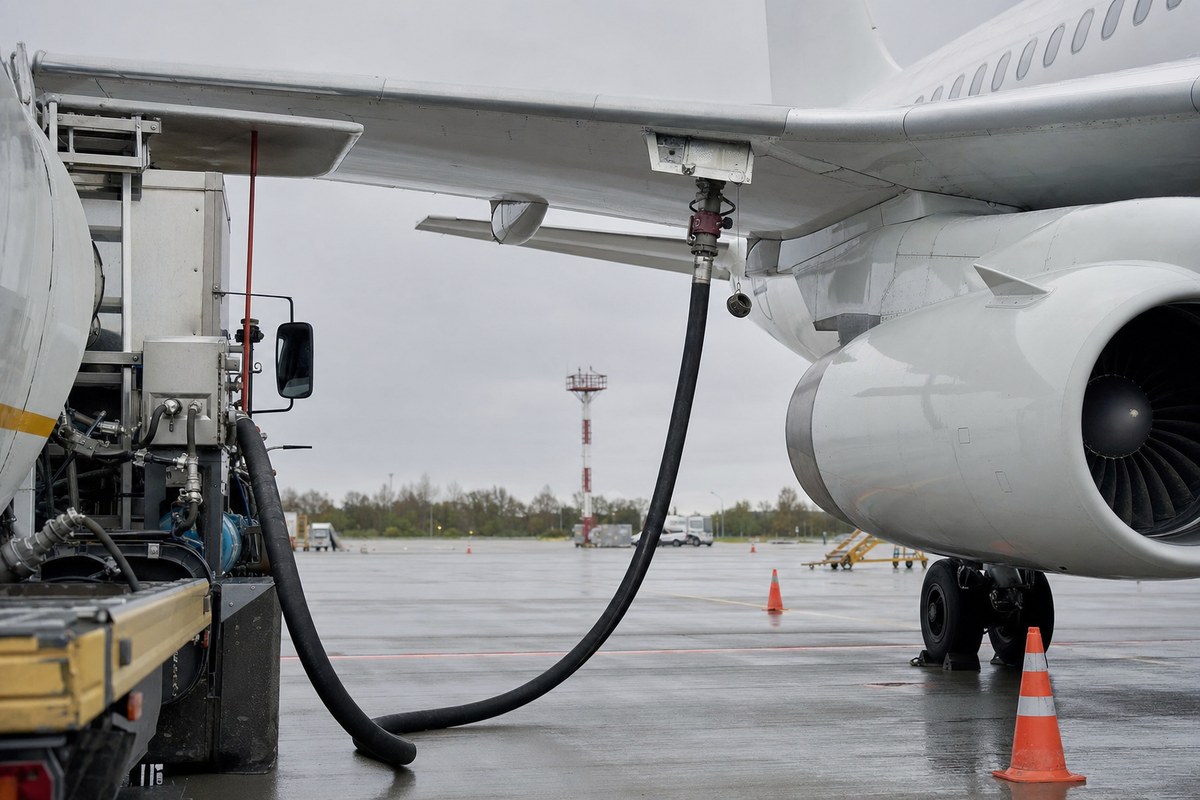
At Pulkovo Airport in St. Petersburg, aircraft may be refueled only for the quantity specified in the flight plan, with no additional volumes permitted, a measure scheduled to remain until March 2027. A similar restriction at Khrabrovo Airport in Kaliningrad is expected to remain in effect until December. At 15 of the 26 airports, including Kazan, Ufa, Yekaterinburg, Vladivostok and Yakutsk, the measures apply specifically to foreign airlines, limiting them to the fuel required for a single flight. Sochi, Volgograd and Astrakhan have imposed restrictions covering both Russian and foreign carriers, while Krasnodar's restrictions apply to foreign airlines only.
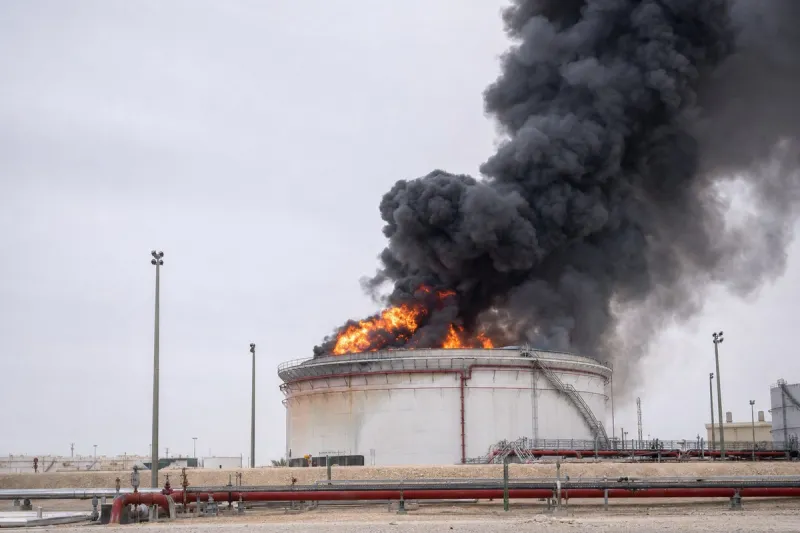
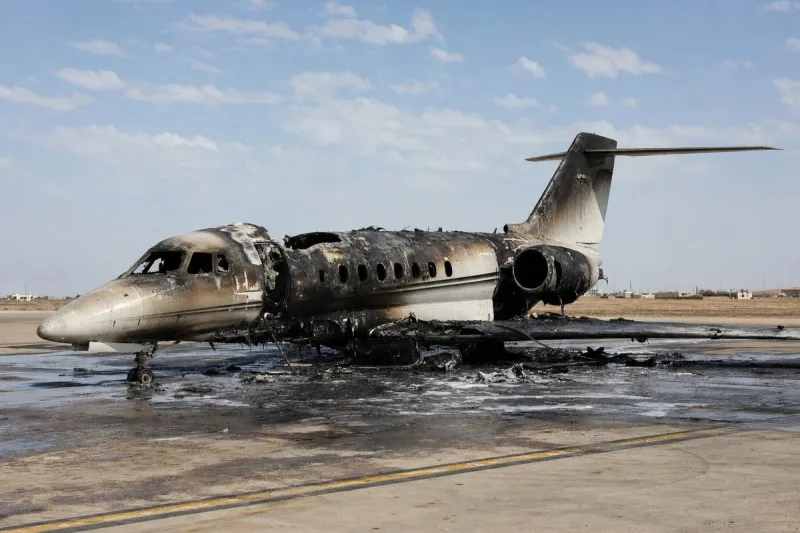
The shortage has been linked to more than 70 Ukrainian drone strikes on Russian oil refineries since the beginning of the year, which have disrupted refining capacity. Russian oil processing fell to its lowest level since 2002, and by the end of August gasoline production had dropped to around 70% of domestic consumption, with fuel shortages reported at filling stations in parts of Russia, including the Yelets district of the Lipetsk region. President Vladimir Putin acknowledged that authorities had not been adequately prepared for the series of attacks targeting the country's energy infrastructure.
The Russian government banned aviation-fuel exports through November 30, a step that did not immediately resolve supply concerns. At the end of June, Azimuth Airlines warned of a critical kerosene shortage, even as Transport Minister Andrei Nikitin stated that Russia was not experiencing an aviation-fuel shortage. The Ministry of Transport subsequently proposed lowering some jet-fuel quality requirements to expand production, and aviation-fuel prices reached a historic high on the Russian exchange.
Industry impact & what to watch
This case illustrates how a targeted attack on upstream refining capacity can cascade into an operational constraint felt directly at the airport counter, rather than staying contained to wholesale fuel markets. Once refining capacity is damaged, the airport becomes the point where the shortage is rationed, through flight-plan-only fueling rules or restrictions aimed specifically at foreign carriers that have other options to tanker fuel from abroad.
Sergey Tereshkin of Open Oil Market noted that fewer Russian refineries produce aviation fuel than produce gasoline and diesel, which limits how quickly output can be replaced when individual facilities are damaged. Dmitry Baranov of Finam Management has argued that expanding supplies through imports is difficult and that strict fuel specifications constrain how fast production can be increased, which is why the Ministry of Transport is now weighing lower jet-fuel quality requirements as a stopgap.
The restrictions already run well past the near-term disruption: some airports carry limits into late 2026, and Pulkovo's runs until March 2027. The next markers to watch are whether refinery repairs bring processing back toward pre-attack levels, whether the export ban is extended past November 30, and whether relaxed fuel-quality standards actually expand usable output without further squeezing already-tight jet-fuel prices on the exchange.