NATA Marks 10th Annual Ground Handling Safety Symposium, Launches Aviation Ground Operations Safety Day
Why It MattersThe move signals ground handling shifting from an operational afterthought toward a standalone safety discipline, with dedicated observances and case-study sharing becoming a recognized channel for ramp risk reduction.
What happened
The National Air Transportation Association (NATA) held its 10th Annual Ground Handling Safety Symposium (GHSS), drawing 75 safety professionals, line service managers, operational leaders, trainers, and industry representatives for two days of education, technology exploration, and collaborative problem-solving focused on reducing risk in general and business aviation ground operations. The 2026 symposium expanded to a two-day format for the first time, adding operational case studies, interactive learning sessions, and open discussions on challenges facing ground handling teams.
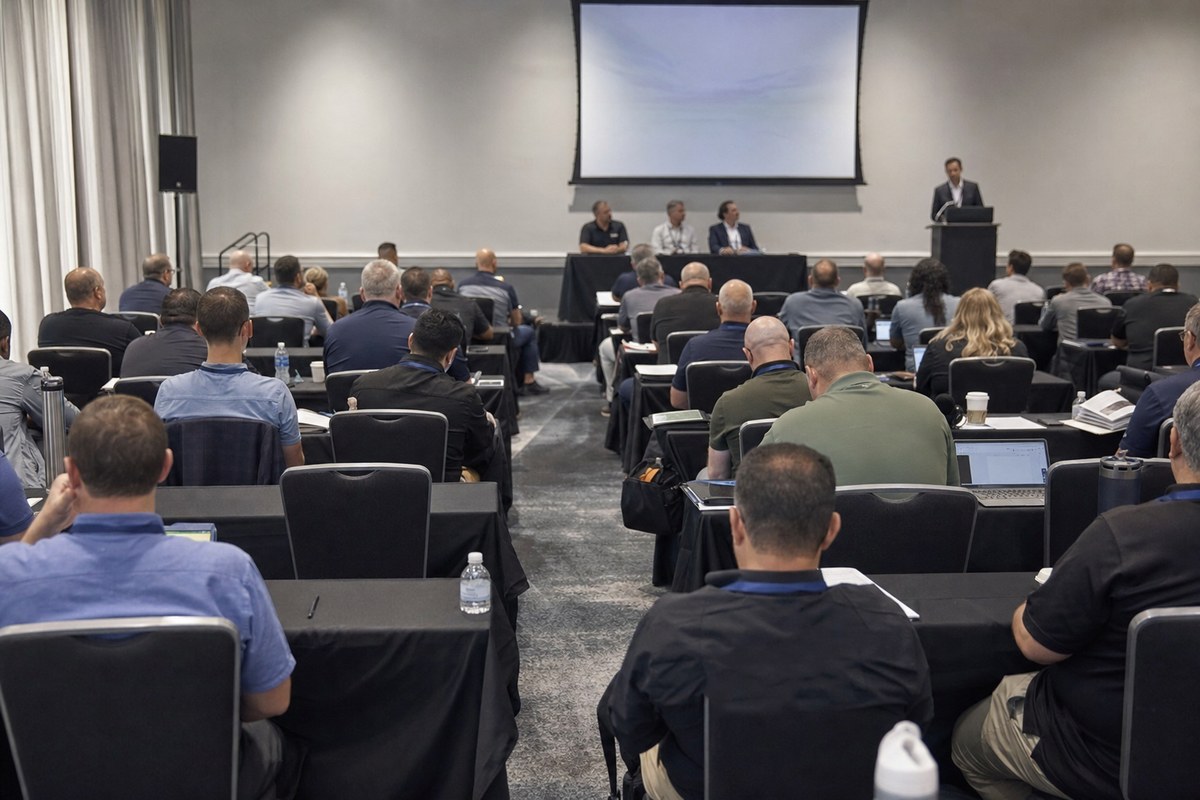
NATA President and CEO Curt Castagna, C.M., delivered the opening keynote, calling for greater industry investment in ground operations and urging organizations to match aviation's focus on modernization and technology with equally strong commitment to ramp safety, leadership engagement, and workforce training. "Every safe flight begins and ends with the work taking place on the ground," Castagna said. "The people who fuel, move, service, and support aircraft are essential to aviation safety."
Day one featured a panel titled "Selling Safety," led by NATA Vice President of Education and Safety Steve Berry, with Castagna joined by Brandon Popovich, Jason Sahl, and Kevin Donnelly to discuss building business cases for safety investment. Sessions from Facet Filtration, AirPlx, and Polaris Aero followed, covering fuel filtration advances, new platform introductions, and technology demonstrations, and a networking reception at Pinstack closed the day. Day two included operational case studies from Berry and James Evans of Vantage Aviation, and sessions from Patrick Moylan of West Star Aviation and Audrey Myers of Atlantic Aviation, whose session "Don't Drift: The Culture of Almost Safe" examined how gradual departures from safe practices can become normalized and how leadership responses shape whether employees feel able to speak up.
Alongside the symposium milestone, NATA announced the creation of Aviation Ground Operations Safety Day, an annual observance intended to raise awareness of ramp safety, recognize ground operations professionals, and encourage aviation businesses to dedicate time to education and safety practice exchange. The inaugural observance is scheduled for 2027 and will build on NATA's existing Safety 1st education and training programs. The 10th Annual GHSS was supported by nine sponsors, including full symposium sponsors Atlantic Aviation, World Fuel Services, and ServiceElements.
Industry impact & what to watch
Ground handling has historically drawn less attention than flight operations even though fueling, towing, and servicing aircraft carry their own distinct risk profile, and a symposium reaching its tenth year with an expanded format suggests sustained demand for that focus rather than a one-off event. The addition of case studies and open discussion sessions this year points to an industry trying to move safety conversations from policy documents into shared operational experience.
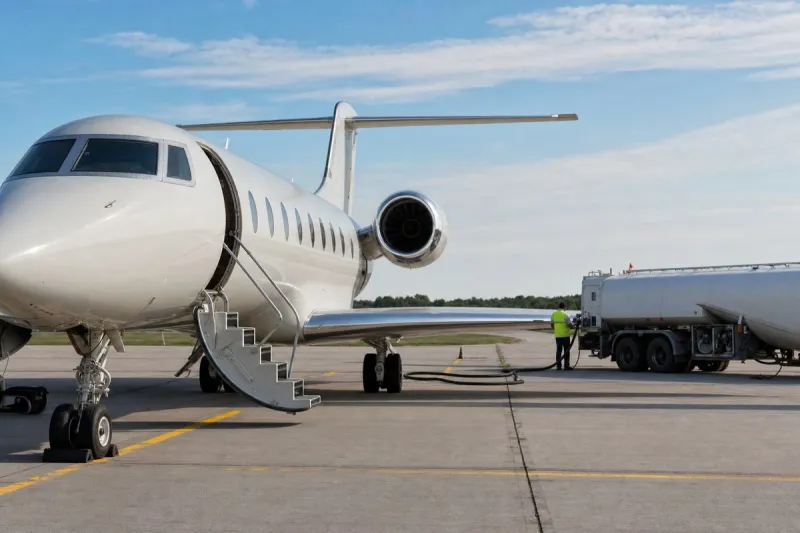
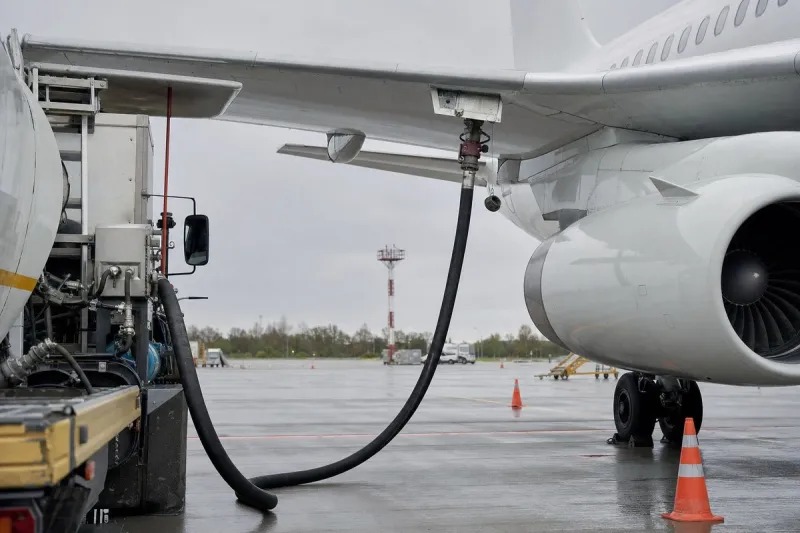
The segment generally depends on line service crews, trainers, and vendors coordinating around fuel quality, ramp movement, and workforce turnover, and sessions like "Don't Drift: The Culture of Almost Safe" speak to a known challenge in that environment: normalization of small deviations from procedure over time. Building a business case for safety investment, as the "Selling Safety" panel set out to do, reflects the ongoing tension between operational cost pressure and the resources ramp safety programs require.
What happens with Aviation Ground Operations Safety Day in 2027 will show whether this becomes a recurring industry fixture with measurable participation or remains a NATA-led initiative with limited uptake beyond its existing Safety 1st network. The sponsor roster for this year's symposium, led by Atlantic Aviation, World Fuel Services, and ServiceElements, offers an early indicator of which companies are willing to fund that broader push.