Gulf Conflict, Beijing No-Fly Zone, and Record El Niño Force Charter Operators to Reprice Global Route Planning
Why It MattersWhen conflict, airspace restriction and extreme weather stack across regions at once, charter route planning shifts from episodic rerouting to continuous, multi-theatre contingency management with direct fuel and access-cost exposure.
What happened
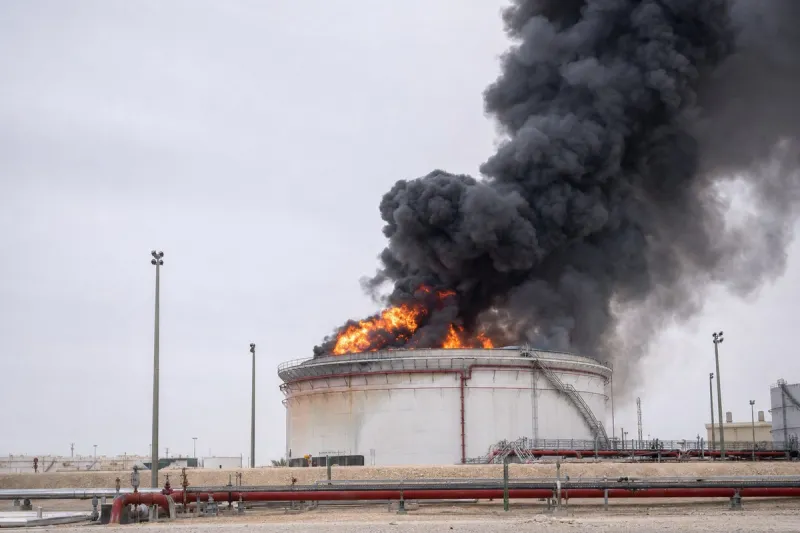
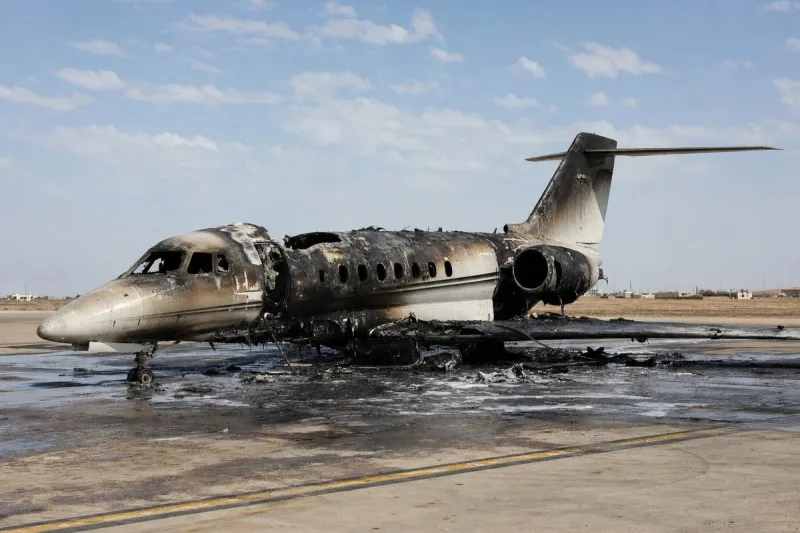
The conflict that began on February 28 has expanded well beyond bilateral US-Iran exchanges, with Iranian-aligned Houthi forces launching strikes that triggered alerts in six Saudi cities. A US government watchdog report disclosed damage to American aircraft, bases and diplomatic outposts across the region, including a destroyed US Air Force AWACS aircraft following a projectile strike at Prince Sultan Airbase in Saudi Arabia. The Houthis have seized Yemen's Red Sea coast and the Bab el-Mandeb Strait, reaching the island of Perim, and Oman's Maritime Security Centre reported rescuing 23 people from the area. Strait of Hormuz commodity vessel transits dropped to four in a single day from ten the day before, while Bab el-Mandeb transits fell to 21 from 28, and Gulf Arab states have postponed planned talks with Iran on Hormuz access arrangements.
Commercial carriers have responded with successive suspensions. SWISS has extended its Dubai flight suspension in steps, pushing the end date from May 31 to July 11, then September 13, and again to October 24, with its Beirut service suspended to the same date. Several Lufthansa Group carriers resumed Tel Aviv service from June. Finnair has suspended its winter Dubai service from October 25 through March 27, 2027, and its Doha service, citing Middle East security concerns. Middle Eastern airline demand collapsed 46.6 percent in April 2026 even as global demand outside the region held. A survey of US FBOs found retail Jet-A up 18 cents per gallon in September against August and up USD 1.96 per gallon year on year, with the Southwest region up 28 cents and the Western Pacific the most expensive at USD 9.16 per gallon. One carrier reports more than 80 percent of its short-haul flights from Helsinki could tanker round-trip fuel if needed, with 81 percent of third-quarter and 71 percent of fourth-quarter consumption hedged.
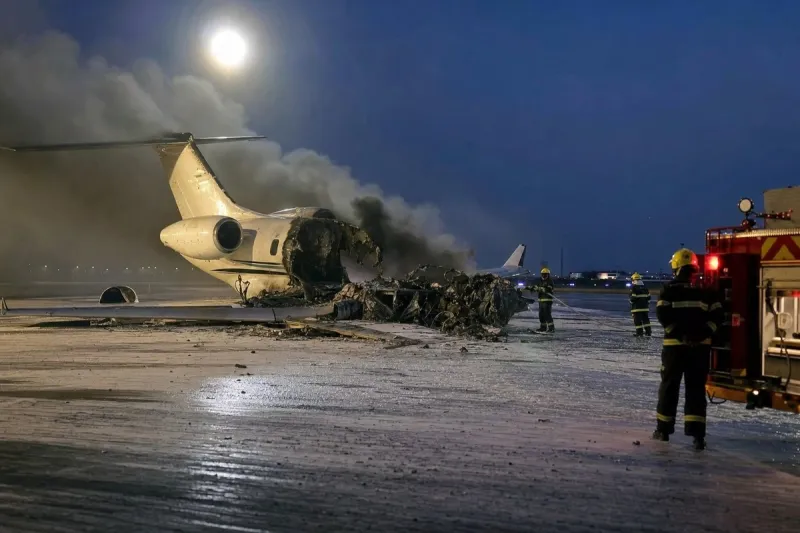
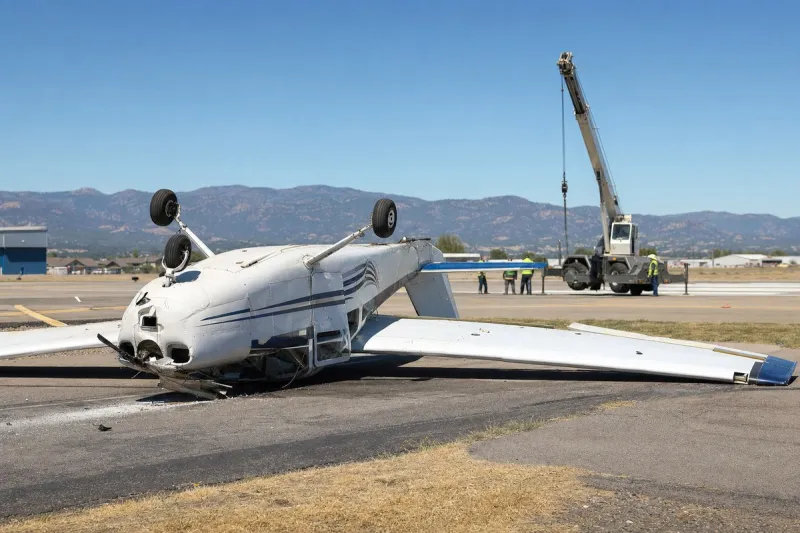
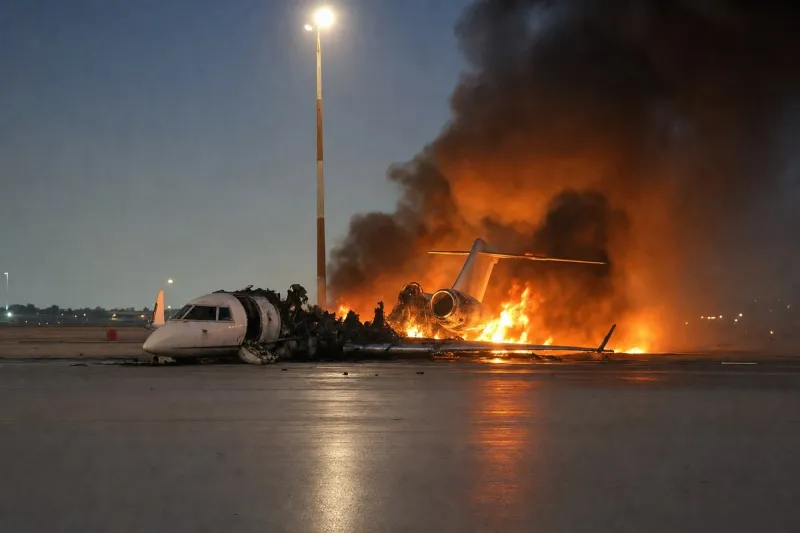
China will implement a no-fly zone in and around Beijing from September 20, alongside a tightened citywide drone ban, following the June 26 crash of a light general aviation aircraft into the 108-storey CITIC Tower during evening rush hour; detailed parameters are pending. A revised National Defense Mobilization Law announced in late August takes effect October 1, allowing the People's Liberation Army to draw on civilian resources, with analysts linking it to potential Taiwan Strait or South China Sea contingencies, though no airspace action has been announced. Separately, the World Meteorological Organization and national agencies confirmed the hottest August on record and the Northern Hemisphere's warmest summer, with an El Niño ocean temperature anomaly of 2.3 degrees Celsius in August expected to become the strongest ever recorded, peaking late this year into early next; roughly three billion people face at least a one-in-ten chance of experiencing top-five-percent temperatures through November. Indonesia is contending with wildfires and haze, Nepal has experienced flooding leaving thousands awaiting rescue, and a magnitude 6.2 earthquake struck Java on September 12 at a depth of 376 kilometres.
How it unfolded
Finnair suspends its winter Dubai and Doha service.
SWISS's latest extended suspension end date for Dubai and Beirut.
China's National Defense Mobilization Law takes effect.
China's Beijing no-fly zone and tightened drone ban take effect.
SWISS extends the Dubai and Beirut suspension end date again.
A magnitude 6.2 earthquake strikes Java at a depth of 376 kilometres.
China announces a revised National Defense Mobilization Law.
SWISS extends its Dubai suspension end date.
A light general aviation aircraft crashes into the 108-storey CITIC Tower in Beijing during evening rush hour.
Several Lufthansa Group carriers resume Tel Aviv service.
SWISS's initial Dubai suspension end date.
The US-Iran conflict begins.
Industry impact & what to watch
This is a case of overlapping risk categories arriving on the same calendar rather than a single disruption working through its cycle: an active conflict zone, a fresh airspace restriction driven by a domestic accident, a mobilisation law with unstated aviation consequences, and a weather anomaly that degrades aircraft performance at hot-and-high fields all sit on charter planning desks at once. Route planners who normally treat these as separate risk categories now have to price them jointly, because the corridors affected by Hormuz and Bab el-Mandeb transit declines are the same ones that Europe-to-Indian Ocean and Africa-to-Asia business jet routings cross.
The segment's exposure runs through two channels that behave differently. Scheduled carriers with hedged fuel positions, like the operator hedging 81 percent of third-quarter and 71 percent of fourth-quarter consumption, absorb the Jet-A price swing that unhedged charter operators face at full spot exposure. Airspace and no-fly restrictions, by contrast, are a hard constraint rather than a cost one: the Beijing zone removes general aviation access outright rather than making it more expensive, and its still-pending detailed parameters mean operators cannot yet fully scope the affected radius.
The modelled outcomes bracket the range worth tracking: roughly 6 percent global travel growth in 2026 if a ceasefire holds, about 1 percent lower if hostilities resume, and roughly 3 percent lower under sustained disruption into 2027. Whether SWISS and Finnair extend their Gulf and Beirut suspensions beyond late October, what parameters Beijing publishes for its no-fly zone, and whether activity follows China's October 1 mobilisation law are the near-term signals that would move that range in either direction.