Gulf Conflict and Record El Niño Create Converging Risks for Private and Charter Aviation
Why It MattersWhen a regional conflict and a record climate anomaly develop at once, charter and private operators face compounding underwriting, routing and scheduling pressure that neither risk alone would generate.
What happened
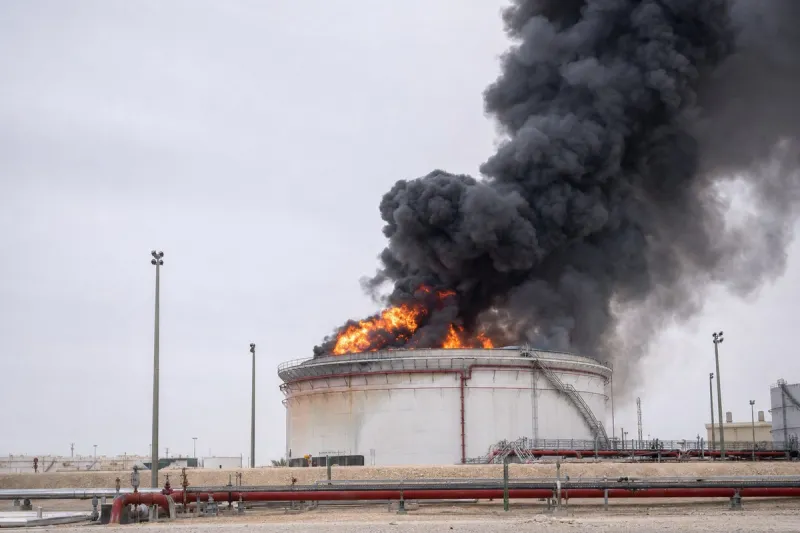
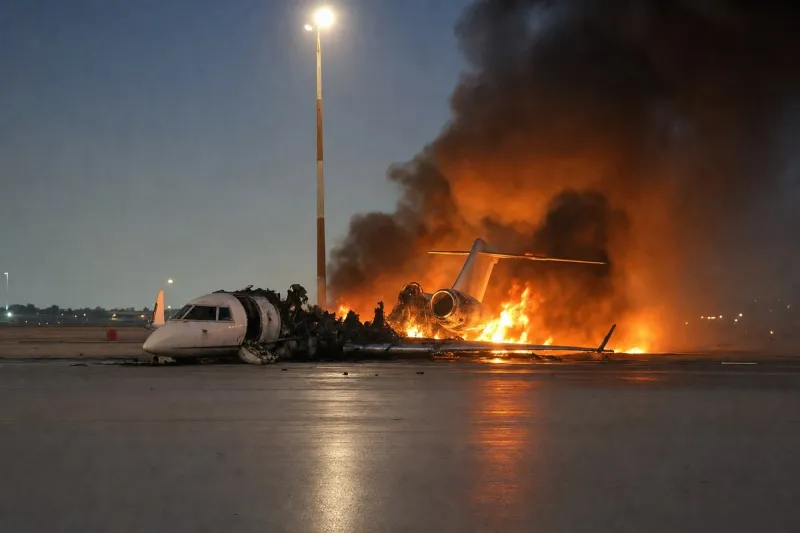
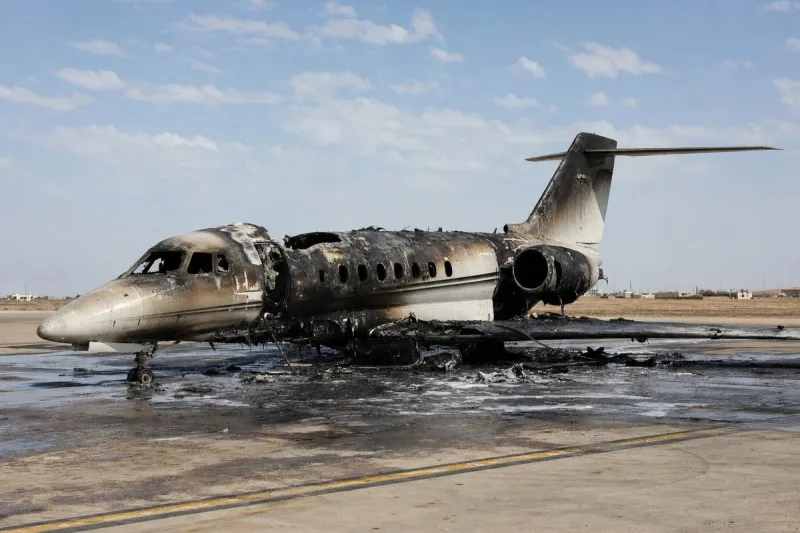
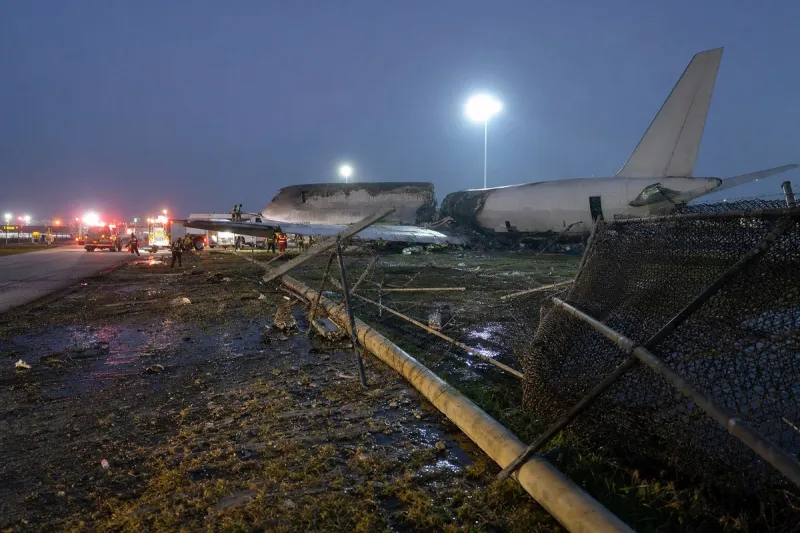
A conflict involving the United States, Israel and Iran that began on 28 February has spread into Yemen and along the Red Sea approaches, with Iranian-backed Houthi forces reported in control of the port of Mokha and the island of Perim in the Bab el-Mandeb, attacking Saudi energy infrastructure and attempting to blockade Saudi shipping. Saudi Arabia shut its East-West Pipeline after drone strikes launched from Iraqi territory, a route that had become the main workaround after Iran effectively blockaded the Strait of Hormuz. Multiple US military aircraft were reported damaged in Iranian strikes on a base in Jordan, closing off a routing that had been a common alternative to Gulf transits, and a security drone widely attributed to Russia reached Leipzig airport.

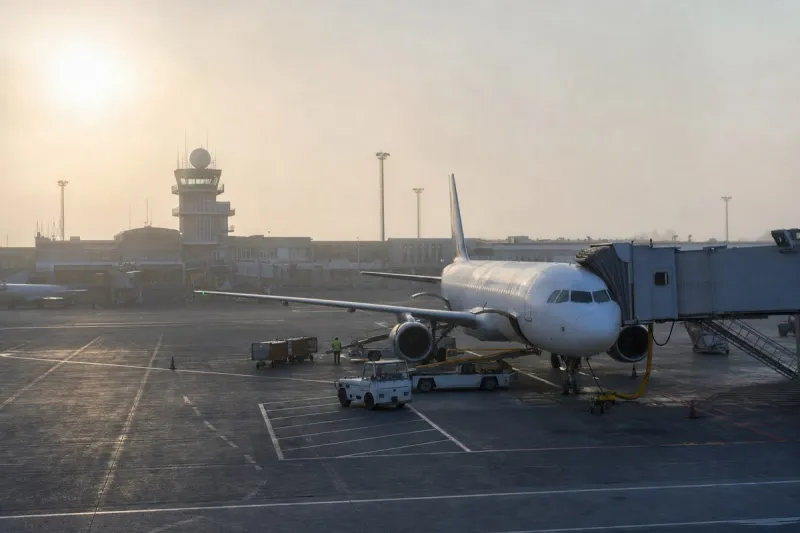
Airspace across the Gulf region remains usable but capacity-constrained, with no reported blanket closure of UAE airspace. The Incheon-Dubai route is suspended until further notice pending a review of normalisation. British Airways has set a Dubai resumption date of 3 November, and Wizz Air has confirmed a return to Abu Dhabi and Dubai from 25 October, covering twelve Middle East routes and forty-nine weekly flights across the UAE, Saudi Arabia and Jordan.
Separately, the World Meteorological Organization has reported August ocean temperature anomalies of 2.3 degrees Celsius above average and record central equatorial Pacific temperatures sustained for more than three months, characterising the developing El Niño as potentially the strongest ever recorded, with a peak expected between November and January. A 95 percent probability has been assigned to 2027 becoming the warmest year on record, and Asia faces elevated chances of extreme heat from September through November. The ASEAN weekly update logs a volcanic eruption in Deli Serdang displacing 3,100 people, landslides in Chiang Phay, Nakhon Ratchasima and Chonburi, flooding and landslides in Dong Nai, landslides in Indonesia linked to INVEST 98W, and drought in South Sulawesi and Southwest Papua. ASEAN ministers met in Manila on 15-16 September to translate resilience commitments into concrete action.
Advisories for charter operators
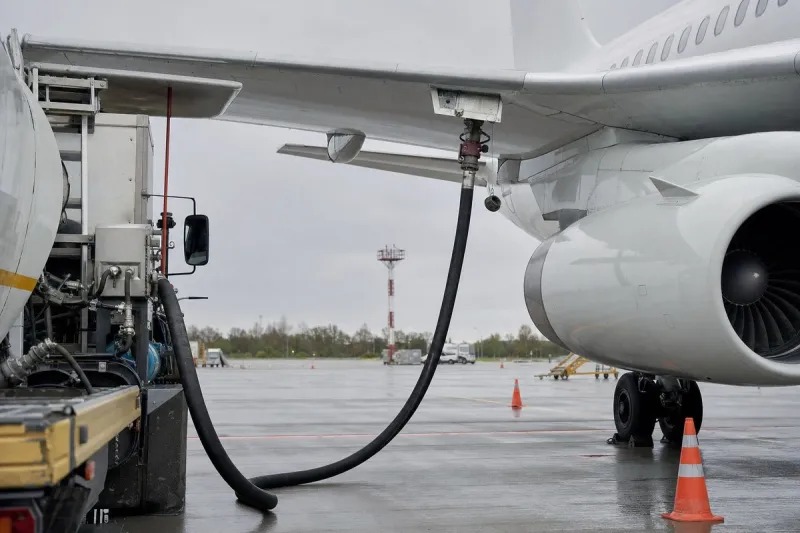
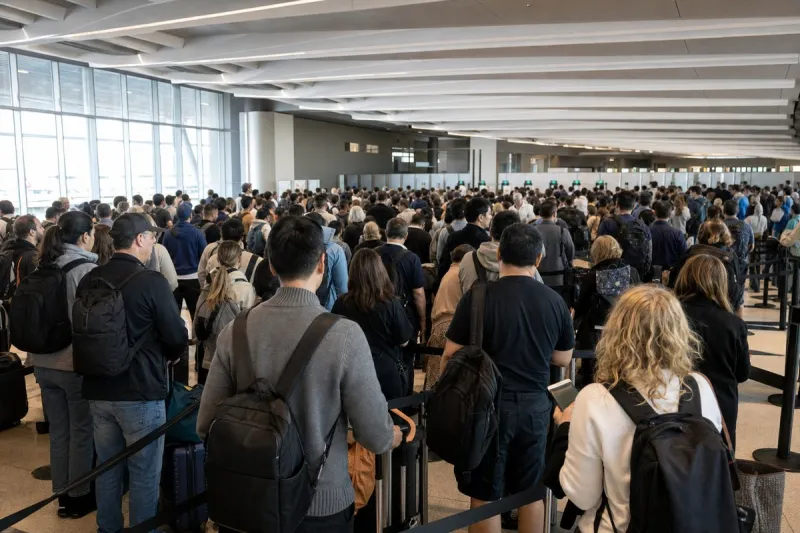
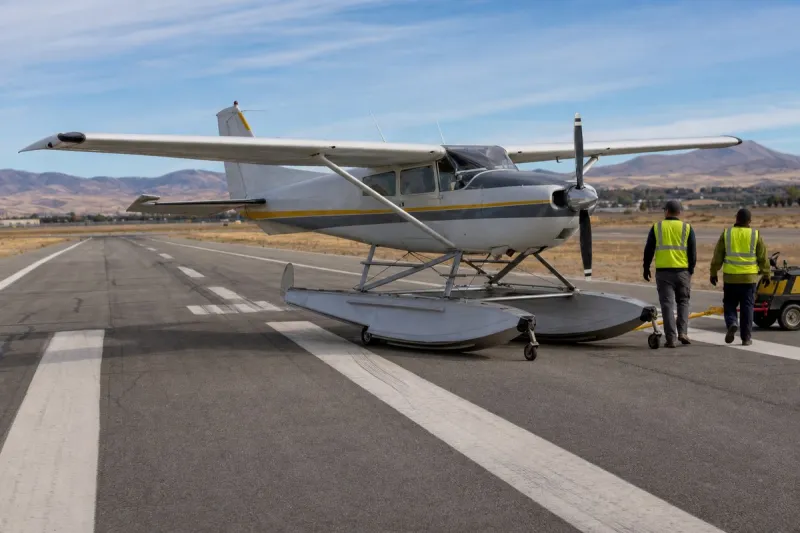
International SOS has issued an advisory covering the Gulf conflict zone. Charter operators are advised to plan for war-risk premiums, short-notice underwriting conditions, fuel tankering or added technical stops where Gulf fuel uplift is uncertain, and augmented crews where longer routings push duty-time limits. Passengers should be briefed that periodic airspace closure can strand an aircraft after arrival.
In Southeast Asia, volcanic activity requires ash-contingency planning on Sumatra routings, while extreme heat requires density-altitude performance checks and early departure slots.
Industry impact & what to watch
Two independent risk categories — an armed conflict disrupting a key maritime and airspace chokepoint, and a climate anomaly reshaping heat and precipitation patterns across a separate region — are landing on operators' desks at the same time, and each raises the cost of managing the other. War risk drives up insurance and pushes crews toward tankering and technical stops; a record El Niño drives up density-altitude performance margins and ash-contingency planning. Neither problem cancels the other out, and an operator running routes that touch both regions absorbs both cost structures simultaneously.
This is how charter underwriting typically prices layered risk: premiums and contingency planning are set route by route and week by week rather than on a blanket regional basis, which is why scheduled carriers like British Airways and Wizz Air are rebuilding Gulf capacity on staggered dates rather than resuming full schedules at once. The Incheon-Dubai suspension pending a normalisation review shows the same caution applied by a carrier that has not yet set a return date.
The next dated markers worth tracking are the 3 November British Airways Dubai resumption, the 25 October Wizz Air restart of twelve Middle East routes, and the WMO's expected El Niño peak between November and January, each of which will test whether current contingency planning holds.