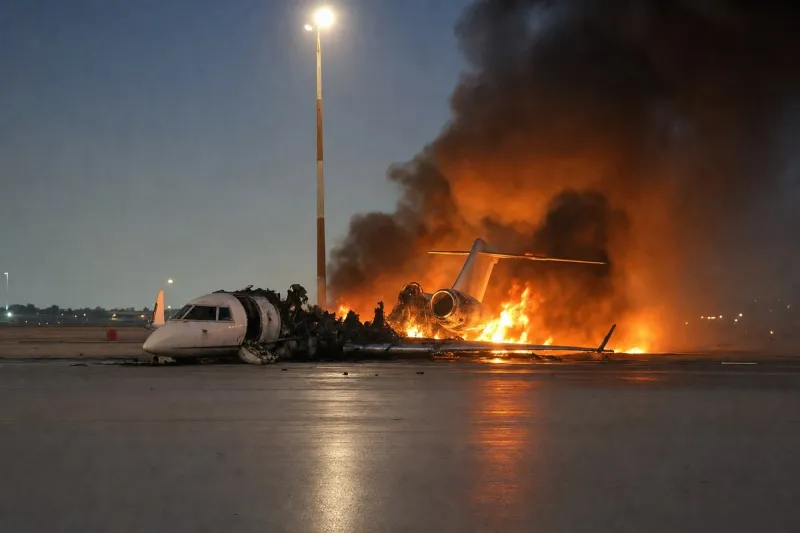
UK flight disruption eases after NATS system failure as pressure mounts on chief Martin Rolfe to resign
Why It MattersThe episode shows how a single flight data processing fault can cascade into nationwide capacity constraints, exposing how thin contingency margins are at centralized air traffic control providers.
What happened
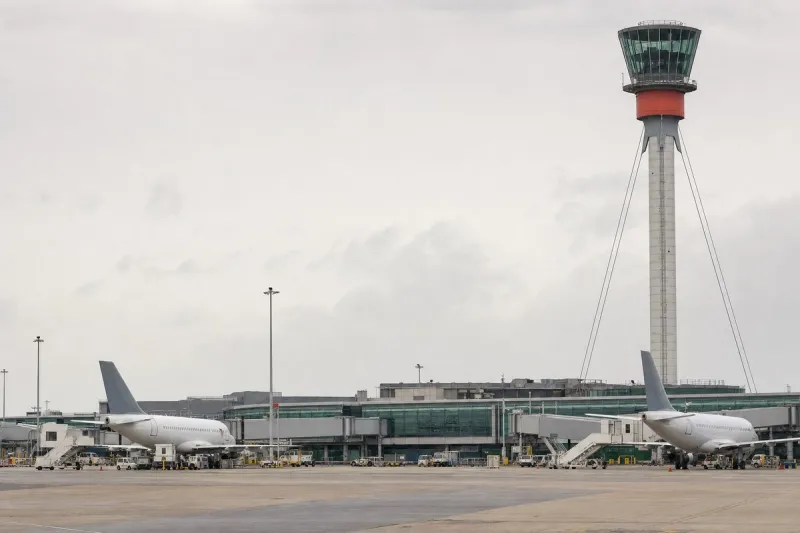
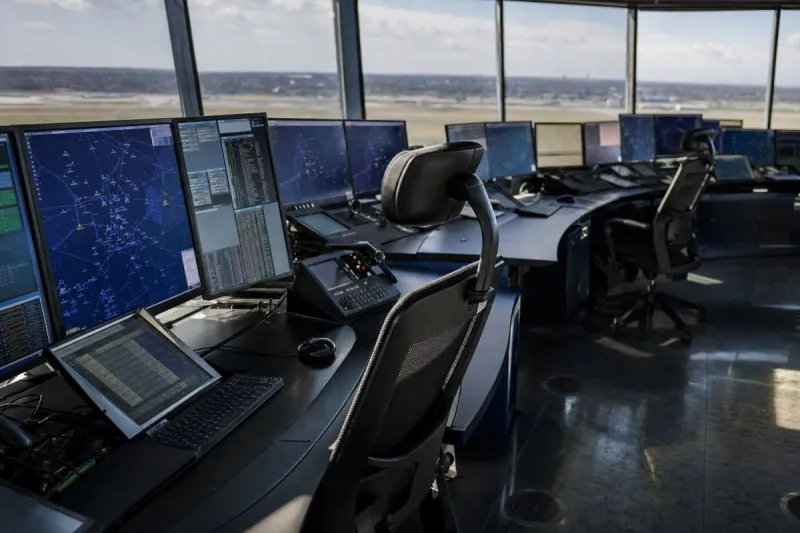
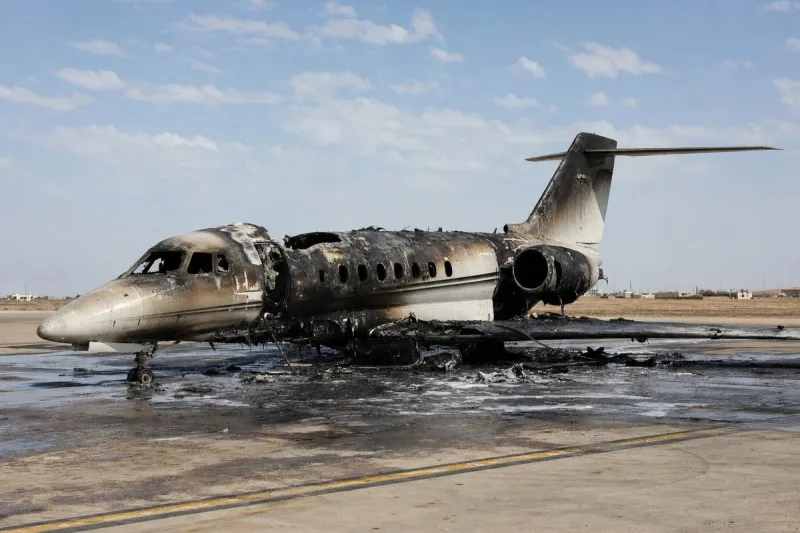
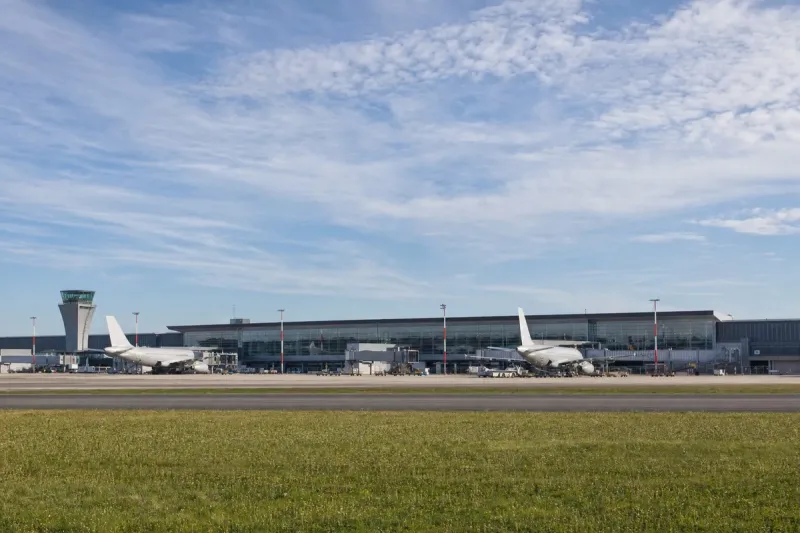
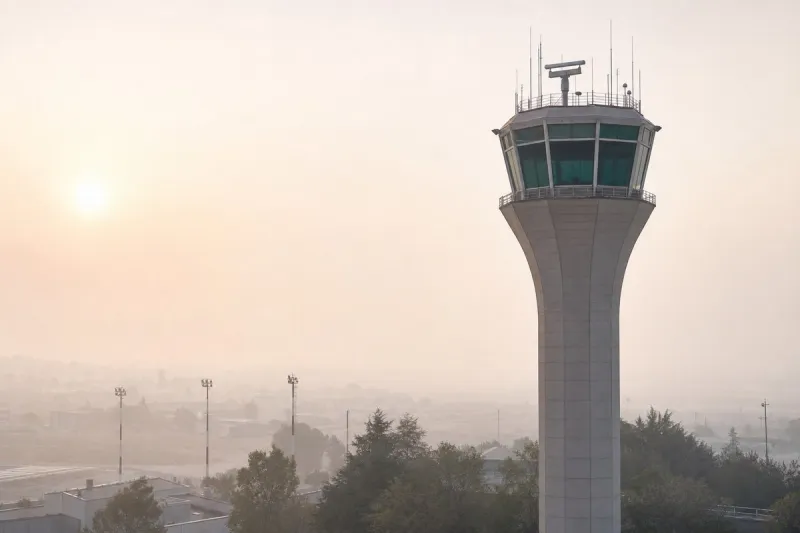
A technical fault in the National Air Traffic Services (NATS) flight data processing system on 8 September sharply reduced the number of aircraft controllers could safely handle, forcing operators onto manual back-up procedures for several hours. Restrictions on take-offs and landings followed at major airports including Heathrow, Gatwick, Manchester, Glasgow and Edinburgh, and more than 2,000 flights were affected.
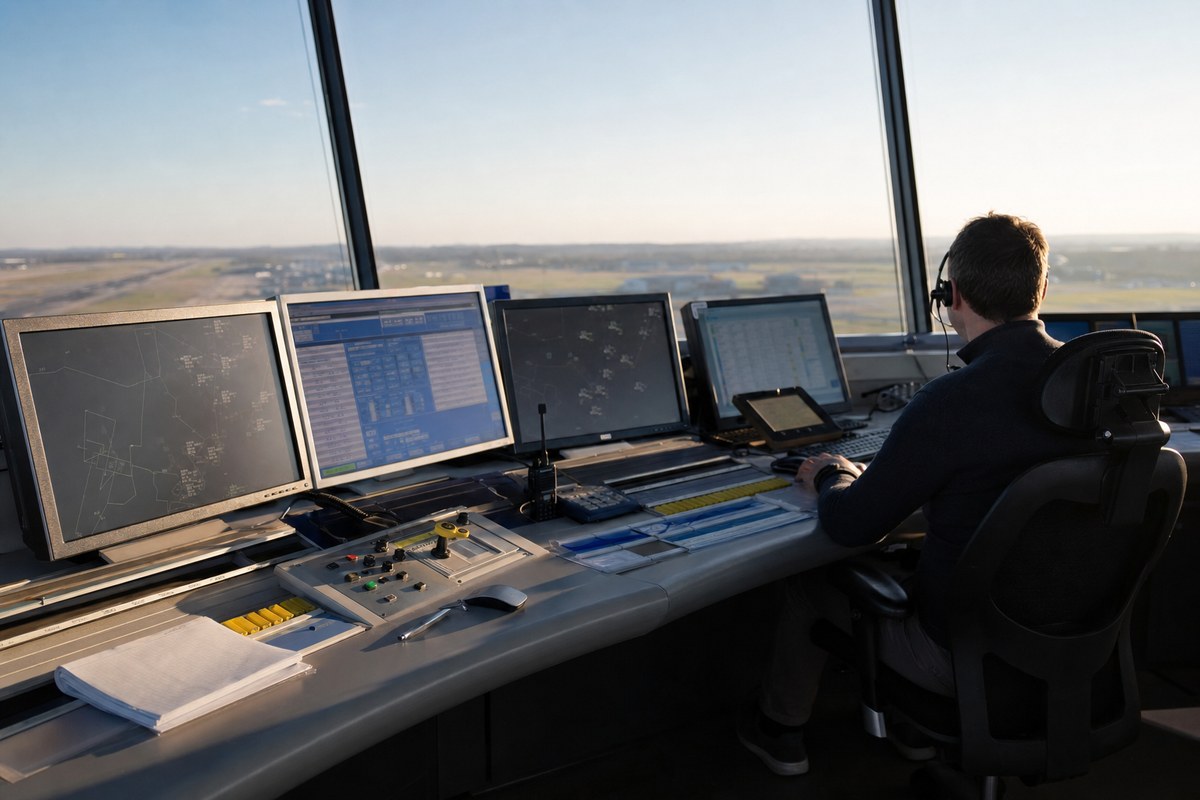
NATS has said the problem was confined to its internal systems and did not compromise flight safety, while acknowledging the disruption was far greater than anticipated for a single-system fault. It has also said it does not believe the episode involved a cyberattack. Reports referencing internal briefings pointed to an unusual or corrupted flight plan filed by a military aircraft as a possible trigger, though defence officials have rejected suggestions that military activity was responsible.
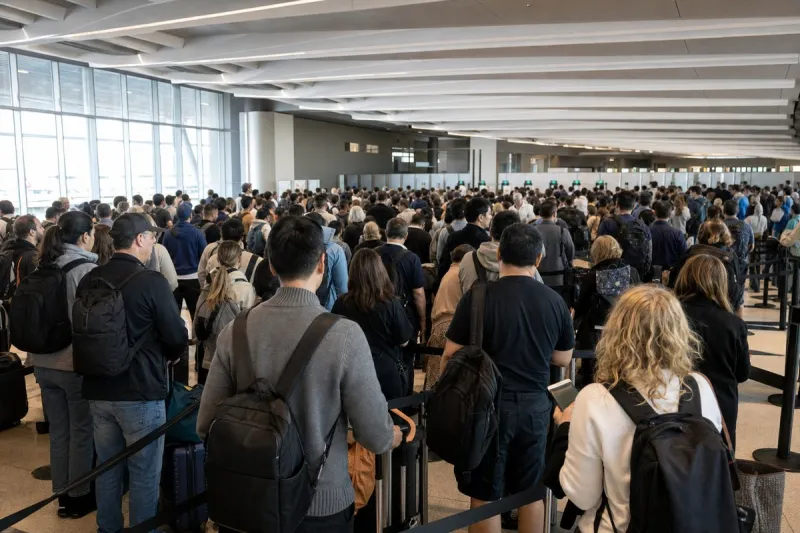
By late in the week, daily cancellations had fallen sharply from peak levels, with most carriers operating the majority of their planned services. Residual delays have persisted as airlines work through aircraft repositioning and crew duty-time limitations, with some early-morning and late-evening services still subject to short-notice changes.
Transport Secretary Heidi Alexander has met with NATS leadership and requested a full technical report within days. Ryanair executives have called NATS chief executive Martin Rolfe's position untenable and accused NATS of complacency over system resilience, and other carriers have questioned why automated safeguards did not better contain the impact of a single faulty input.
Industry impact & what to watch
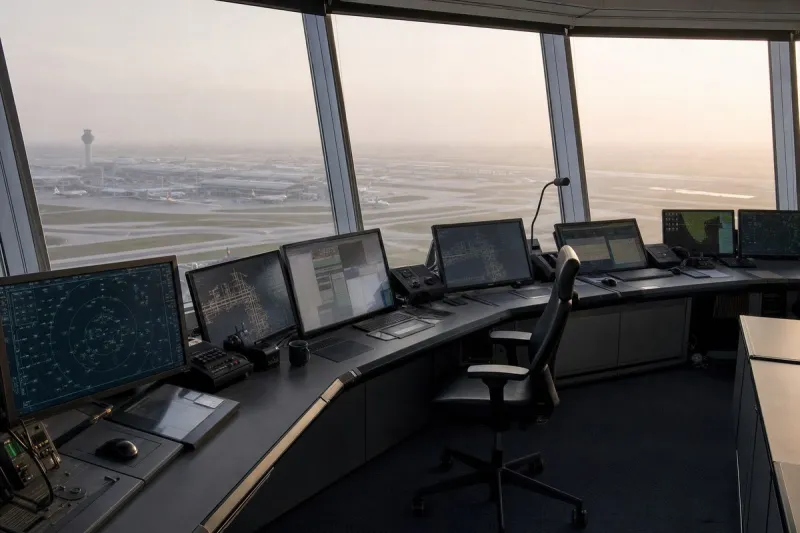
Large-scale flight disruption traced to a single software or data fault is a recurring vulnerability in air traffic management, where centralized systems handle enormous volumes of flight data with limited manual fallback capacity. When those systems fail, the bottleneck is not the airspace or the aircraft but the control centre's ability to process flight plans safely, which is why a single corrupted input can ripple into thousands of cancellations across multiple airports.
The passenger-rights question hinges on causation: airlines may argue the fault originated with NATS rather than their own operations, which could limit standard compensation obligations even though carriers remain responsible for care such as refreshments, accommodation and rebooking during extended disruption.
A government-ordered investigation is expected to deliver initial conclusions within weeks, examining software design, testing regimes and crisis management. Parliamentary committees are expected to call senior NATS figures once that investigation produces findings, and those findings on resilience and contingency deployment will likely determine whether Rolfe can withstand the resignation calls.