UK Airspace Manager Nats Under Scrutiny Over Ageing 1970s Technology and Third Major IT Failure in Three Years
Why It MattersWhen infrastructure replacement timelines slip by decades while liability stays with carriers, air traffic control economics leave airlines absorbing costs for systems they cannot fix or replace themselves.
What happened
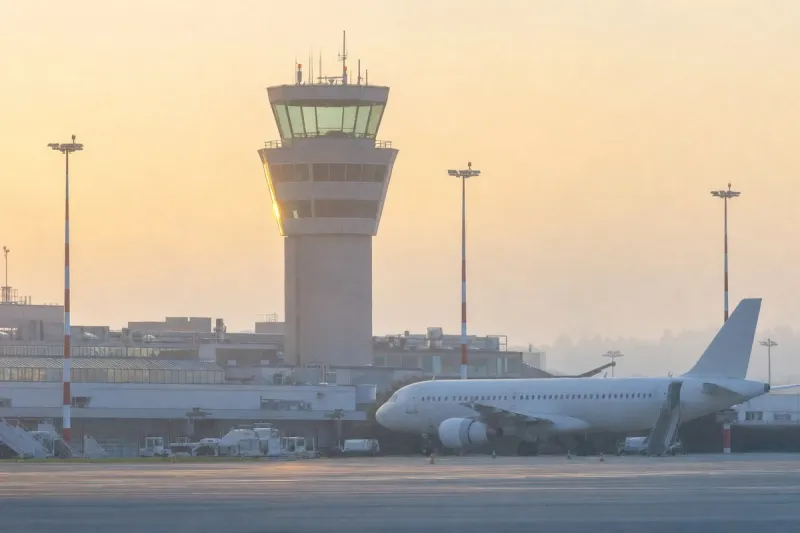
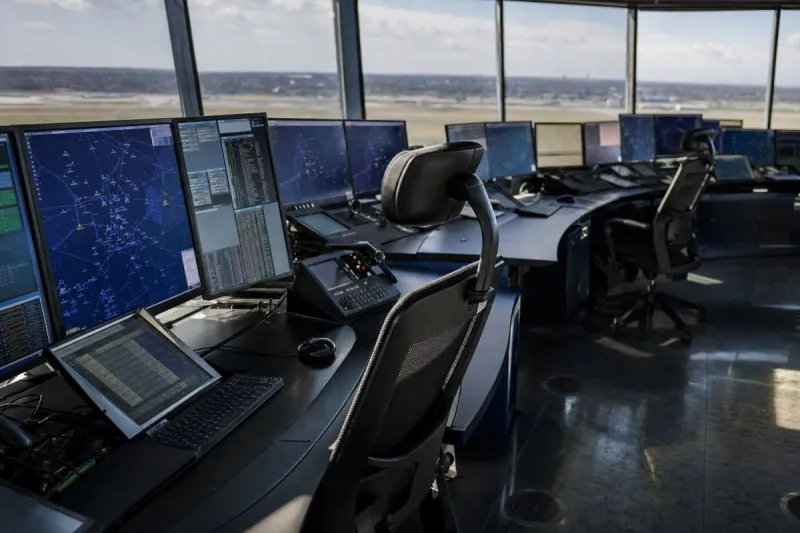
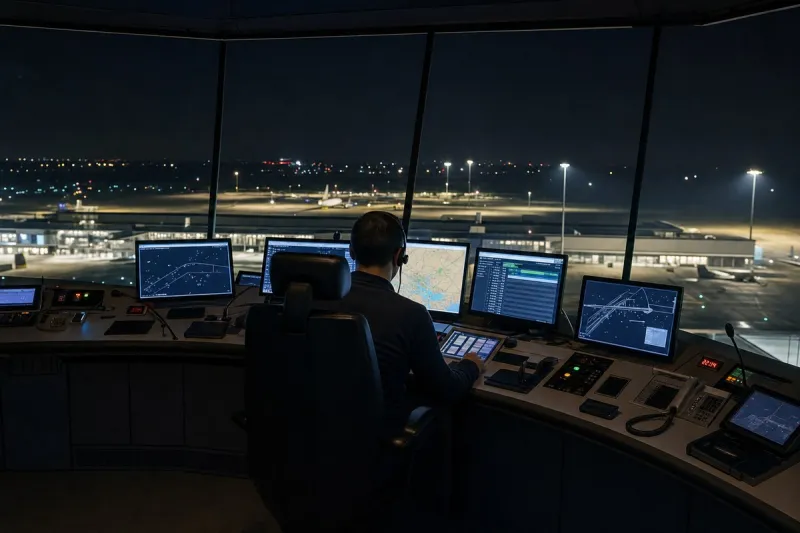
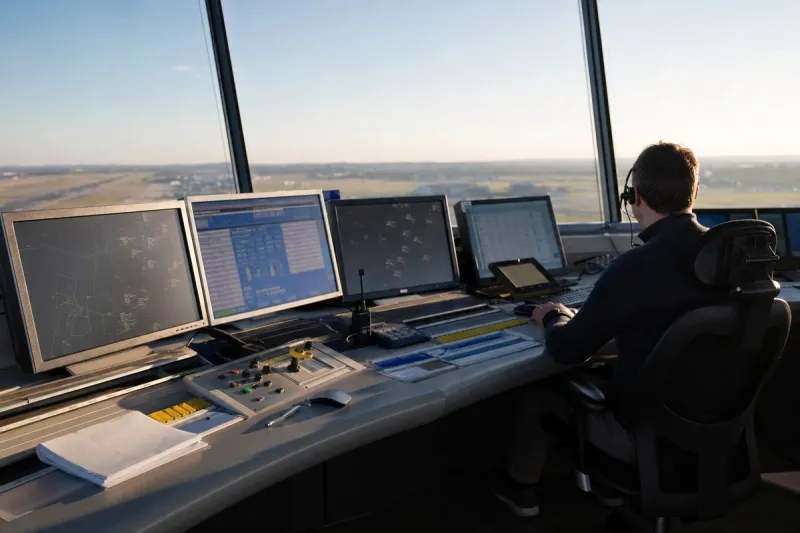
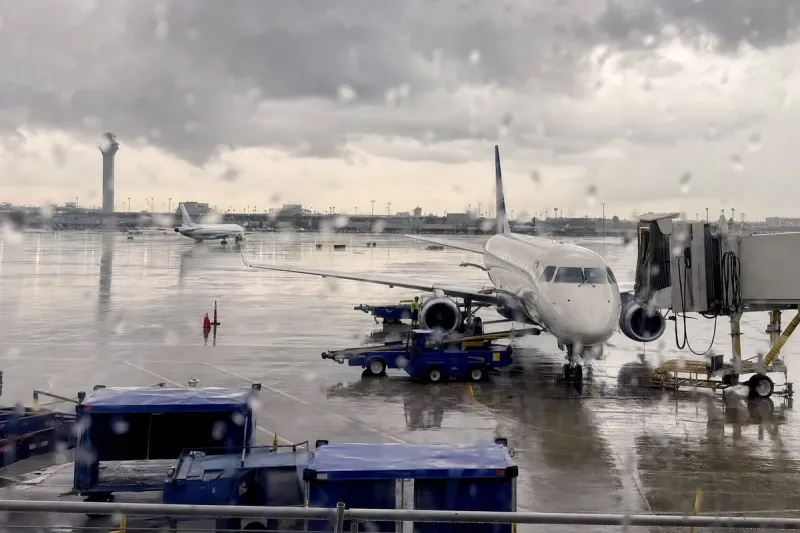
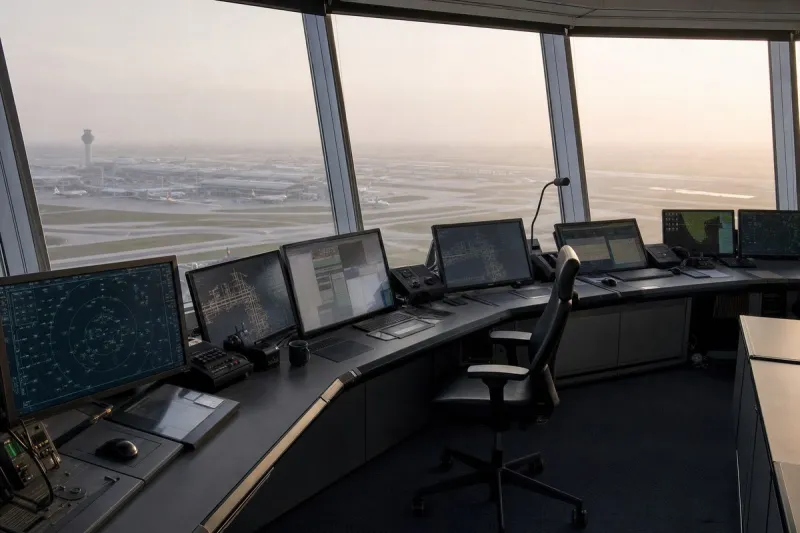
A four-hour outage in Nats' National Airspace System (NAS) last Tuesday disrupted airports across Britain, stranded thousands of passengers and led to the cancellation of approximately 2,000 flights. It was the organisation's third major IT failure in as many years. The NAS traces its origins to US technology developed under the Federal Aviation Act of 1958 and was adopted by Britain in the 1970s, remaining in continuous service since. Reports have suggested a military aircraft flight plan may have triggered the failure, though the Ministry of Defence has denied responsibility.

Chief executive Martin Rolfe, who has led Nats since 2015 and received £12.6 million in pay and bonuses during his tenure, has been asked to provide preliminary findings from an internal investigation to regulators. Nats is 49 per cent owned by British taxpayers. A Whitehall source said "the buck stops with him," though industry figures have cautioned that replacing Rolfe would not address the deeper structural problems facing the organisation. Attempts to replace the ageing NAS began in the 1990s; a replacement system from Spanish company Indra was originally scheduled for 2015, then pushed to 2021, then 2030, and Nats has now confirmed there is no formal adoption date, with one insider suggesting implementation may not occur until well into the 2030s.
Airlines are facing losses running into tens of millions of pounds from the latest disruption; a comparable failure in 2023 cost carriers approximately £65 million. Airlines UK chief executive Tim Alderslade said "the underlying model whereby carriers are liable for mistakes outside their control needs to be on the table. Industry is looking for accountability and a resilience and systems plan that will stand up to scrutiny." Airlines have accused Nats of prioritising shareholder returns over infrastructure investment: dividends averaged £54 million annually during the eleven years to 2020, before rising to £124 million a year over the following two and a half years, totalling £309 million. Nats states it has invested more than £1 billion in technology over the past decade and rejects claims that its systems will become irreparable after 2030.
Across its 5,076 employees, average annual remuneration is £115,000. Around 400 senior managers belong to a personal contract group whose bonuses are linked to reductions in flight delays, financial performance and individual objectives; those managers received close to 90 per cent of the maximum bonus available under group-wide performance measures. The Civil Aviation Authority can impose penalties on Nats for delays but not for cancellations.
The liability and incentive gap
Rolfe has compared the challenge of replacing the system to "trying to change the wheels on an F1 car while driving down the home straight at full speed," a description that frames why a decades-old system remains load-bearing for national airspace despite three failures in three years. Alderslade's call to put the liability model "on the table" points at a specific asymmetry: carriers absorb the cost of outages they cannot control or fix, while the regulator's penalty powers cover delays but not the cancellations that generate the largest losses.
Industry impact & what to watch
This case sits inside a broader pattern in regulated infrastructure monopolies: an operator with a captive customer base defers costly system replacement across multiple decades because near-term financial performance, including dividends, is easier to measure and reward than long-horizon technology risk. The gap between the Civil Aviation Authority's power to penalise delays but not cancellations compounds this, since it can shape which failure mode an operator is most incentivised to avoid.
Air traffic control differs from most infrastructure sectors in that airlines have no alternative supplier to switch to, which is why the liability debate Alderslade has raised matters structurally rather than just commercially: if carriers keep absorbing losses from failures in a system they neither operate nor can replace, the cost of aged infrastructure is being carried by parties with no control over the replacement timeline.
What happens next depends on two disclosures: the preliminary findings Rolfe has been asked to give regulators on the specific trigger of last Tuesday's outage, and whether Nats or government sets any firmer date for NAS replacement than the current open-ended 2030s estimate. Until either lands, the compensation model Airlines UK is pushing to renegotiate remains the clearest pressure point in the dispute.