Experts Dispute Trump Claim That Canada Blocked Gulfstream Certification to Protect Bombardier
Why It MattersThe dispute shows how post-737 Max scrutiny has made national aviation regulators slower and more independent of FAA sign-off, turning routine cross-border certification timelines into a political flashpoint.
What happened
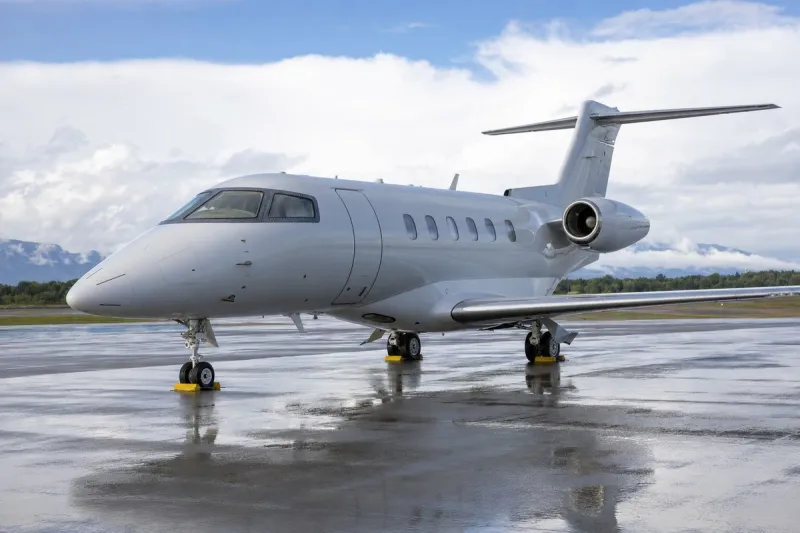
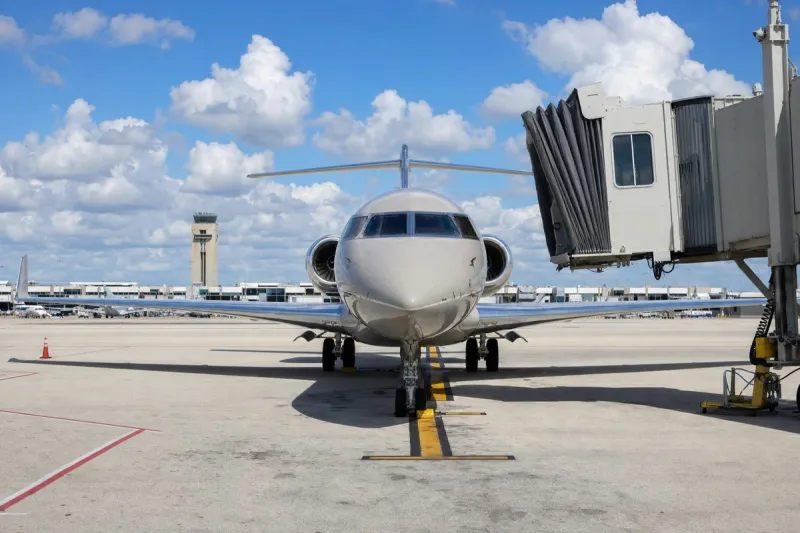
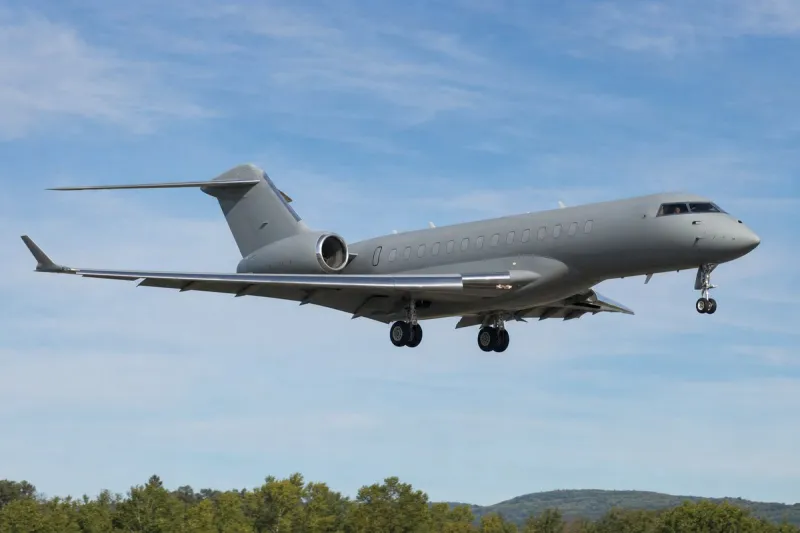
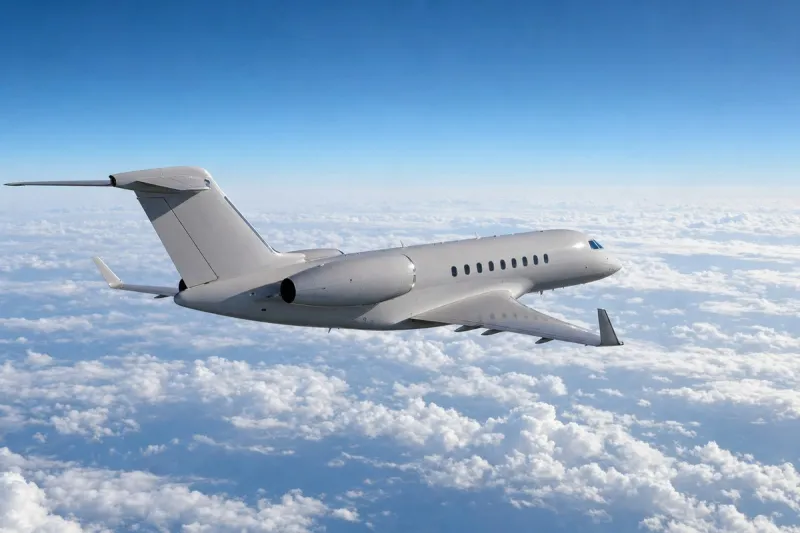
President Donald Trump wrote on Truth Social on Aug. 25 that Canada had failed to certify Gulfstream jets for 10 years, claiming the delay was meant to give "Gulfstream's Canadian competitor" unrestricted access to the domestic market. In a Sept. 7 post he named the competitor directly, writing that Canada "blocked Gulfstream Aerospace from doing business in Canada" in favor of Montreal-based Bombardier.

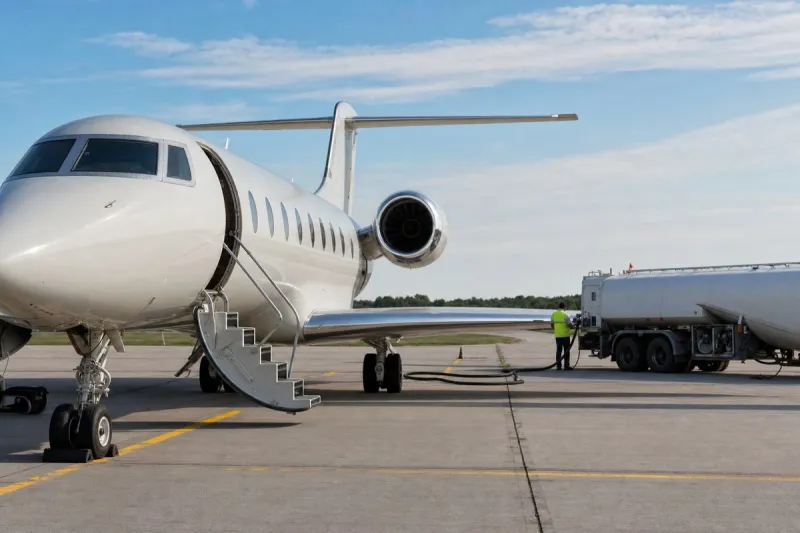
John Gradek, who teaches aviation management at McGill University, disputed the protectionism claim in an Aug. 31 interview. He said Transport Canada's concerns centered on the fuel systems of the G500, G600, G700 and G800 models, which regulators warned could be vulnerable to freezing in cold environments and at certain altitudes. The FAA had certified the G500 in 2018 and the G600 in 2019 under an exemption order allowing the fuel-icing issue to be addressed after initial certification; Transport Canada did not follow that approach. The G700 received FAA certification in 2024 and the G800 in 2025. Transport Canada approved all four models in February of this year.
Transport Canada said in an emailed statement that it regularly reviews all foreign and domestic aircraft to ensure they meet its requirements and can operate in Canada's climate, describing its process as "an independent review focused on safety and public interest." The four models were approved the month after Trump had posted in January threatening to decertify all Canadian-made aircraft and impose a 50 per cent tariff on any sold in the United States. Canadian Transport Minister Steven MacKinnon, speaking to reporters on Feb. 24, rejected suggestions that political pressure from the Trump administration influenced the approval decision. Gradek also said staff retirements and transfers contributed to slower processing times in recent years.
Why the review took longer
Gradek linked Canada's more deliberate review process to the fatal Boeing 737 Max crashes in 2018 and 2019, after which Transport Canada had largely deferred to FAA certification. Following those crashes, Canadian regulators adopted a more independent, detailed review standard. "We basically want to go through it like a fine-tooth comb," Gradek said.
Ross Aimer, CEO of Aero Consulting, said the FAA conducts exhaustive testing of aircraft across a wide range of scenarios, but acknowledged that the 737 Max crashes prompted the FAA itself to re-examine how much latitude it extended to manufacturers in self-certifying their own planes.
Industry impact & what to watch
This case illustrates how a single aircraft program can become entangled in trade politics even when the underlying dispute is a technical certification question about fuel-system behavior in cold weather. Regulators in different jurisdictions can reach different timelines for the same aircraft without either being wrong: the FAA's exemption-order approach let it certify the G500 and G600 while the icing issue was resolved post-certification, while Transport Canada chose to resolve it first.
The episode also shows how post-737 Max reforms have reshaped cross-border validation generally. Regulators that once leaned on foreign approvals now run independent technical reviews, which lengthens timelines industry-wide, not just for one manufacturer, and reduces the degree to which one country's certification can be treated as a rubber stamp elsewhere.
What happens next likely turns on whether Trump repeats or escalates the tariff threat first raised in January, and on how Transport Canada responds if political pressure over the Bombardier comparison continues. Transport Minister Steven MacKinnon's public denial of political influence is the strongest on-record rebuttal so far, and any further statement from his office would carry the most weight in resolving the dispute.