Fuel and Borrowing Costs Displace Aircraft Shortages as Top Concern for Jet Financiers, ISTAT Delegates Warn
Why It MattersBecause lessors control roughly half the global airline fleet and lean heavily on debt, a rate-driven shift can pressure lease pricing and mid-life aircraft economics faster than supply-side shortages ever did.
What happened
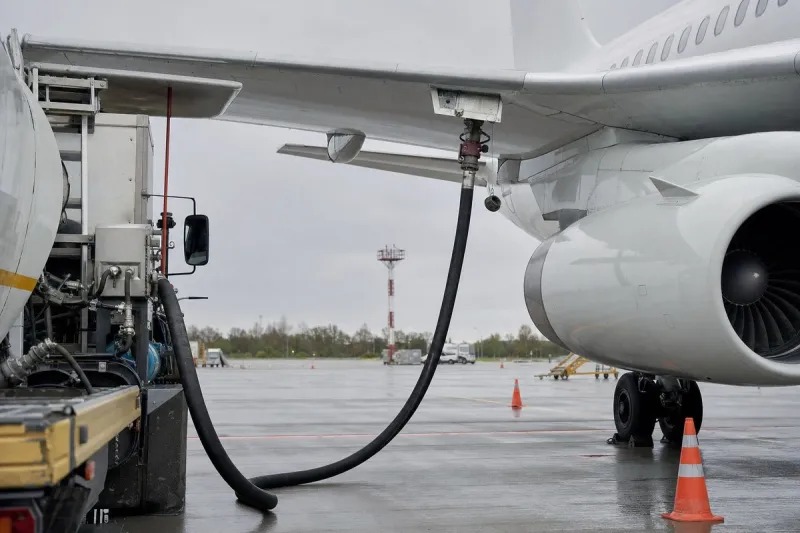
Delegates at the International Society of Transport Aircraft Trading (ISTAT) conference in Copenhagen said this week that soaring fuel and borrowing costs have overtaken aircraft shortages as the primary concern for aircraft financiers, marking a shift in industry sentiment. Recent developments cited as reinforcing the mood shift include airBaltic's bankruptcy filing, a surge in oil prices linked to advances by Yemen's Houthis in the Middle East conflict, and a jump in U.S. Treasury yields.
Thomas Baker, CEO of leasing company Aviation Capital Group, said "I think winter is going to be colder financially than people expect." Bertrand Dehouck, global head of transportation capital markets at BNP Paribas, said "It's pretty shocking how quickly things have changed. The wave on which aviation has been sustained for quite some time now could stall or crash pretty dramatically during the winter period," adding that difficulties in the European market are typically revealed in winter. Andy Cronin, CEO of Avolon, said "You've got a very sharp decline in engine and parts shortages and a very rapid increase in the concern around interest rates," and warned that misjudging liabilities "kills your business very quickly," while backing the wrong airline or aircraft can hurt a lessor for years.
Delegates said rising fuel costs had begun to cool the second-hand aircraft market, with some lease rates falling 5% to 10%. Ted O'Byrne, CEO of Saudi lessor AviLease, said of aircraft up to 15 years old, "I think this is going to bite pretty quickly — mid-life business models have got to hurt." Mounir Kuzbari, co-CEO of Novus Aviation Capital, said new investors continue to enter aviation finance, increasing competition for assets: "The pie is just not big enough to satisfy everyone, especially on the leasing front." Executives said there were no immediate signs that higher fuel prices and borrowing costs were causing a significant drop in travel demand; Baker described current difficulties as "an intermediate bump" but said the next downturn could stem from outside aviation, possibly geopolitical or from the bond market.
Industry impact & what to watch
The comments describe a sentiment pivot within aircraft finance: a sector that had been focused on engine and parts shortages constraining fleet growth is now watching liability costs — fuel and debt — as the more urgent risk. Aircraft lessors are singled out as particularly exposed because they control about half of the global airline fleet and rely heavily on debt financing, so a rise in borrowing costs feeds directly into their margins and into lease pricing across the market.
The early market signal is the softening in second-hand lease rates, down 5% to 10% by delegates' account, concentrated in mid-life aircraft up to 15 years old — the segment executives flagged as most vulnerable to a fuel-and-rate squeeze. Competition for assets from new entrants into aviation finance adds pressure from the supply side of capital even as demand-side risk builds.
What happens over winter will test whether this is, as Baker put it, an intermediate bump or the start of a deeper correction — European difficulties are said to typically surface in that season. The clearer marker to watch is whether fuel and rate pressure begins showing up in smaller-airline financial stress or in further lease-rate declines, since executives so far see no drop in travel demand itself.