ICAO Secretary General Salazar to Deliver Opening Keynote at Flight Safety Foundation's 2026 Safety Summit
Why It MattersBringing regulators, executives and technical experts together around scaling questions signals that safety oversight is increasingly framed as a growth-management challenge, not a standalone compliance function.
What happened
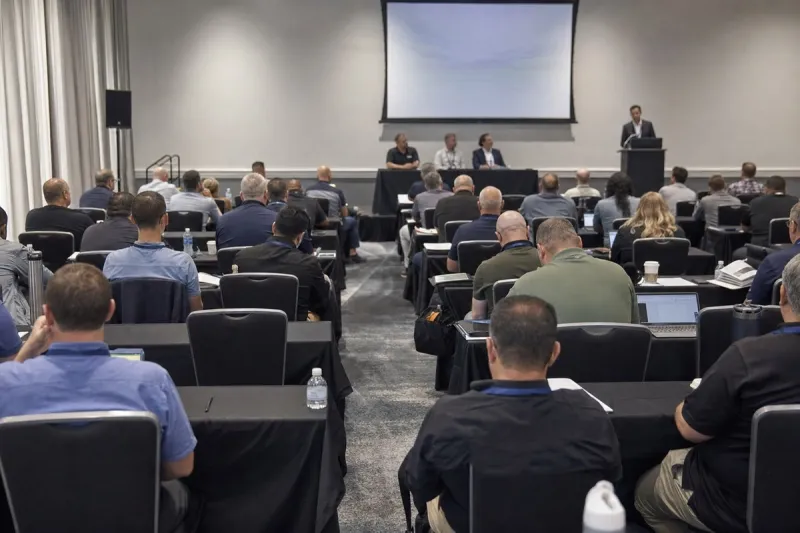
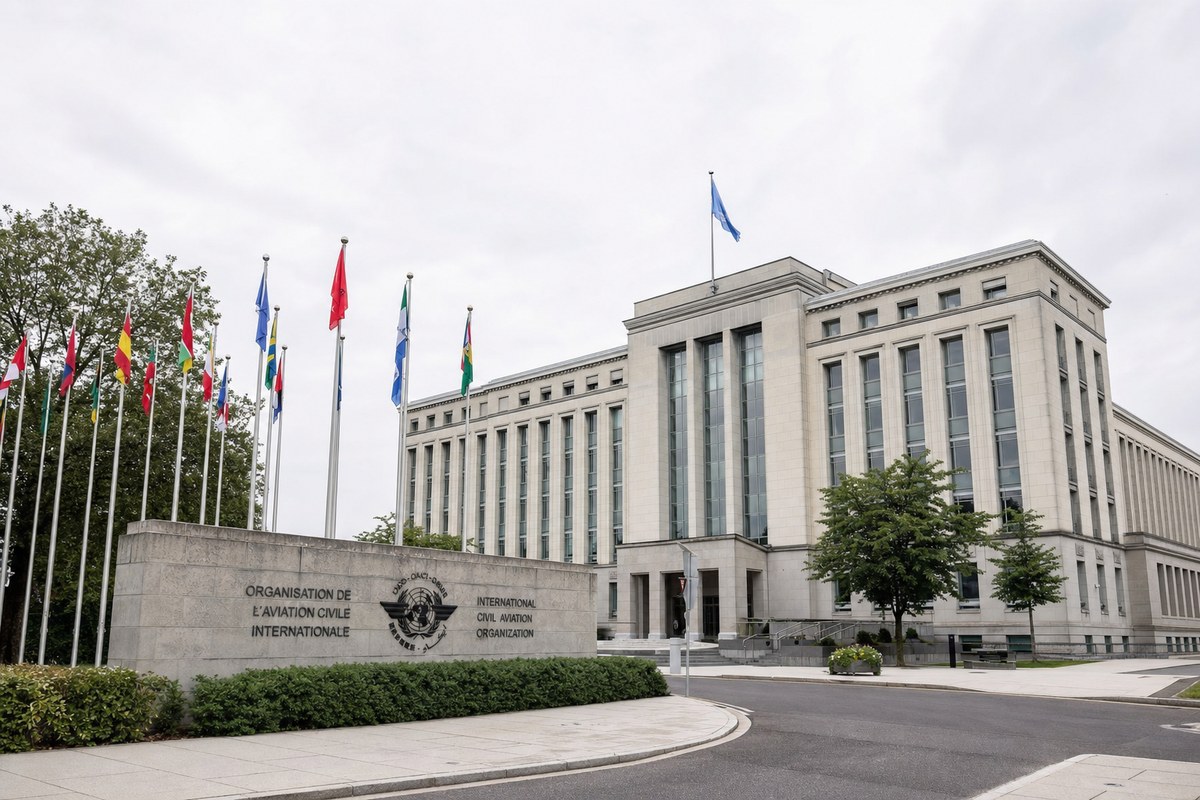
Juan Carlos Salazar, Secretary General of the International Civil Aviation Organization, will deliver the opening keynote on the first day of the Flight Safety Foundation's International Aviation Safety Summit (IASS) 2026. The summit runs November 10-12 at ICAO Headquarters in Montreal and is themed "Is Aviation Really Ready to Scale Safely?" Salazar's keynote will be followed by an executive panel on how senior leaders build trust, reinforce accountability, and maintain safety credibility when growth, cost, schedule, and disruption compete for attention.
Dr. Hassan Shahidi, president and CEO of Flight Safety Foundation, said Salazar's perspective "will be especially timely as aviation confronts rapid growth and increasingly complex operational challenges," adding that the keynote "will challenge leaders across the aviation ecosystem to think boldly about how we scale while keeping safety at the center of every decision."
The three-day event is the Foundation's 79th annual gathering and is expected to draw more than 350 attendees along with dozens of expert speakers and panelists from across the global aviation sector. Agenda topics include scaling the workforce without shrinking safety margins, integrating advanced air mobility and uncrewed aircraft systems into the airspace, enhancing in-time safety management, and applying artificial intelligence to detect weak signals and support faster safety-critical decisions. Additional sessions cover turning data into trusted safety intelligence, managing the future airspace system, and coordinating increasingly frequent commercial space operations in shared airspace. Day 2 includes three breakout sessions on recurring safety events, infrastructure development for tomorrow's airspace, and building resilience for safe recovery, each followed by interactive audience engagement workshops.
Industry impact & what to watch
A summit that pairs a keynote from the head of the UN's civil aviation body with an executive panel on trust and accountability reflects how safety conferences now double as forums for reconciling growth targets with operational risk. Placing advanced air mobility, uncrewed aircraft integration, and commercial space coordination alongside traditional workforce and data-intelligence topics shows how the safety agenda has widened to cover entrants that share airspace with conventional traffic rather than operating apart from it.
How this segment typically works is that industry associations use these gatherings to set shared vocabulary and expectations ahead of formal rulemaking, so the topics chosen for breakout sessions and panels often preview where regulators and operators expect friction as new categories of aircraft and operations scale up.
What happens at the sessions on in-time safety management, AI-assisted weak-signal detection, and future airspace system design will indicate how far these ideas have moved from concept to implementation commitments among the attending carriers, manufacturers, and regulators.