FAA Warns of Potential Thunderstorm Restrictions at Denver, Florida, and Southeast Airports on September 19
Why It MattersWeather-driven capacity management at a handful of major hubs can ripple through connecting traffic nationwide, showing how thunderstorm season forces air traffic control to trade airspace and airport capacity in real time.
What happened
The Federal Aviation Administration identified Denver, Miami, Fort Lauderdale, Orlando, Tampa, Atlanta, and Charlotte as airports facing potential thunderstorm-related operational constraints on September 19. No widespread ground stop was active at those locations at the time of the warning, but the FAA cautioned that restrictions could be introduced later in the day if storms reduced available airspace or airport capacity.
Miami International Airport and Fort Lauderdale-Hollywood International Airport could face ground stops or delay programmes after 16:00 UTC if conditions deteriorate. Around Tampa and Orlando, traffic-management measures including arrival rerouting, capacity reductions, or temporary ground stops at departure airports could become necessary after 20:00 UTC. Earlier in the day, Orlando showed only minor gate, taxi, and airborne delays of 15 minutes or less, with more significant disruption expected as storms develop. Denver International Airport was also under FAA watch, with a ground stop or ground-delay programme potentially required after 20:00 UTC; the airport had already experienced a weather-related ground-delay programme overnight, and its role as a major connecting hub means disruption can spread well beyond Colorado.
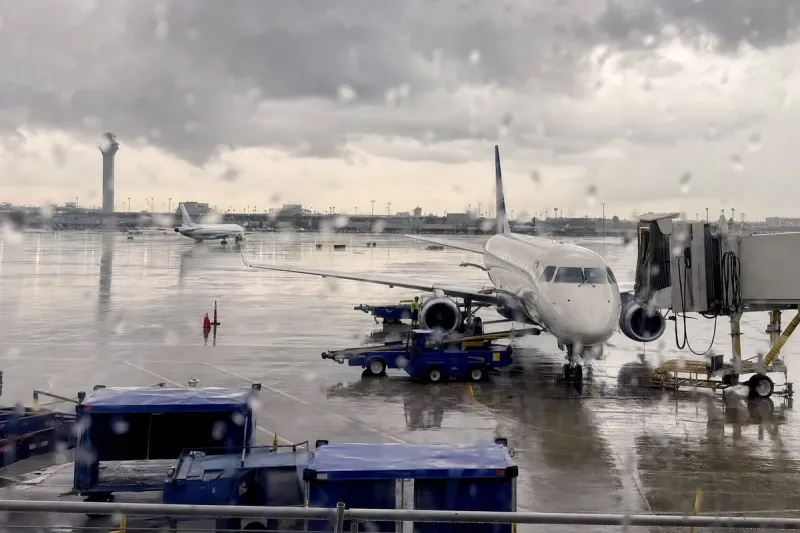
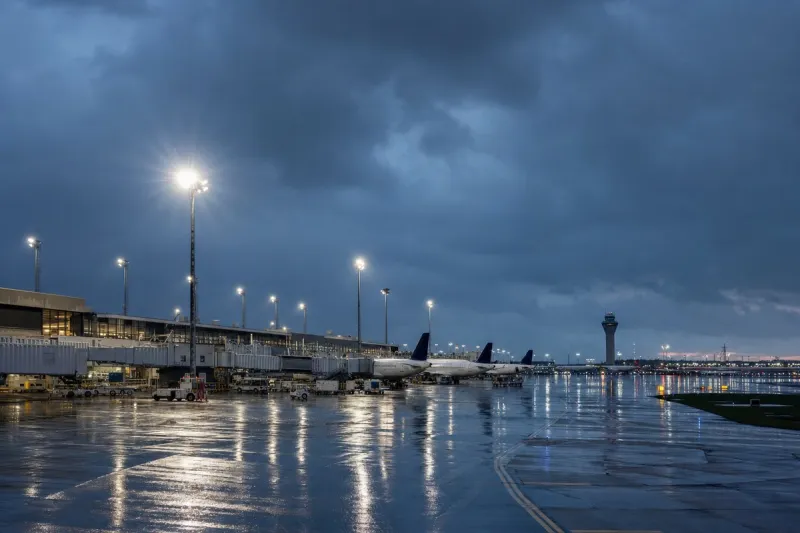
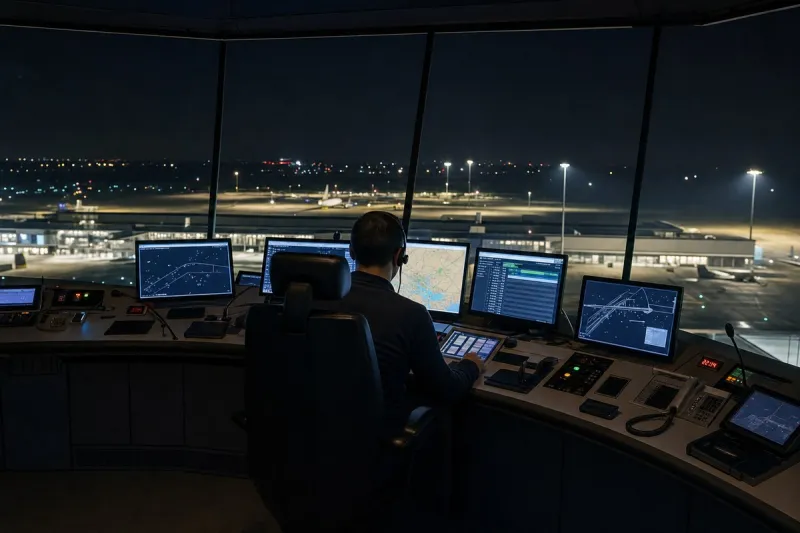
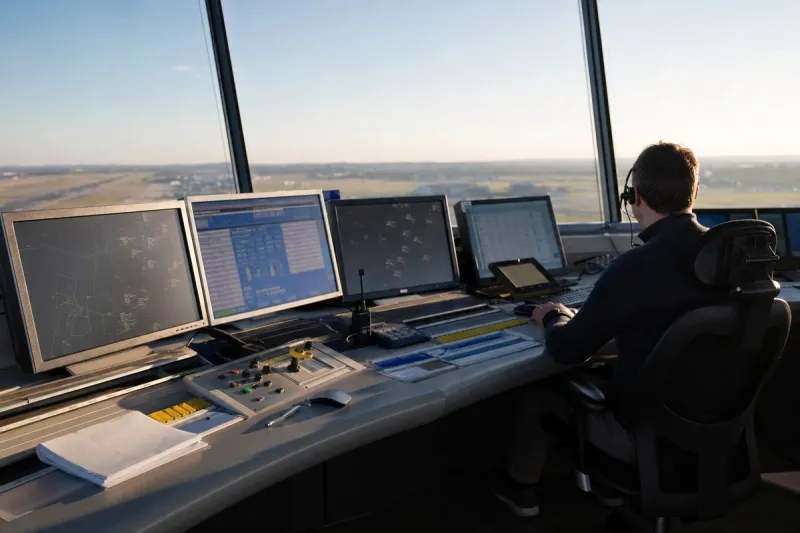
The FAA also warned that some Gulf and Atlantic routes could be closed temporarily, forcing aircraft onto longer flight paths and generating delays even when individual airports remain open. Air traffic managers were preparing rerouting procedures to move aircraft around the strongest storm cells, and diversion-recovery measures may also be required. Separately, the FAA imposed restrictions at Chicago O'Hare International Airport and Midway International Airport on Saturday morning, and O'Hare subsequently entered a ground-delay programme with average arrival delays exceeding three hours at one point as capacity was sharply reduced.
Industry impact & what to watch
This is a routine but consequential feature of thunderstorm season: the FAA manages a finite amount of airspace and runway capacity across a chain of connected hubs, and a storm cell over one region can force rerouting or delay programmes hundreds of miles away. Denver's status as a major connecting hub illustrates why a single ground-delay programme there does not stay contained to Colorado but propagates through onward connections across the network.
The mechanism at work is trade-offs, not shutdowns — arrival rerouting, capacity reductions, and temporary ground stops are tools used to keep aircraft safely spaced when storm cells reduce usable airspace, rather than blanket closures. Gulf and Atlantic route closures add mileage and time even to flights whose origin and destination airports stay fully open, which is why delays can appear well beyond the airports named in a warning.
What happens next depends on how the storm cells actually track through the afternoon: whether Miami and Fort Lauderdale trigger ground stops after 16:00 UTC, and whether Denver, Tampa, and Orlando require restrictions after 20:00 UTC, will determine how far the disruption already underway at Chicago O'Hare and Midway extends into the rest of the day's schedule.