FAA Issues Ground Stops at Chicago O'Hare and Midway Airports Due to Thunderstorms
Why It MattersSevere convective weather at major hub airports shows how quickly ground stops can cascade into system-wide delays that ripple beyond the originating airport for the rest of the day.
What happened
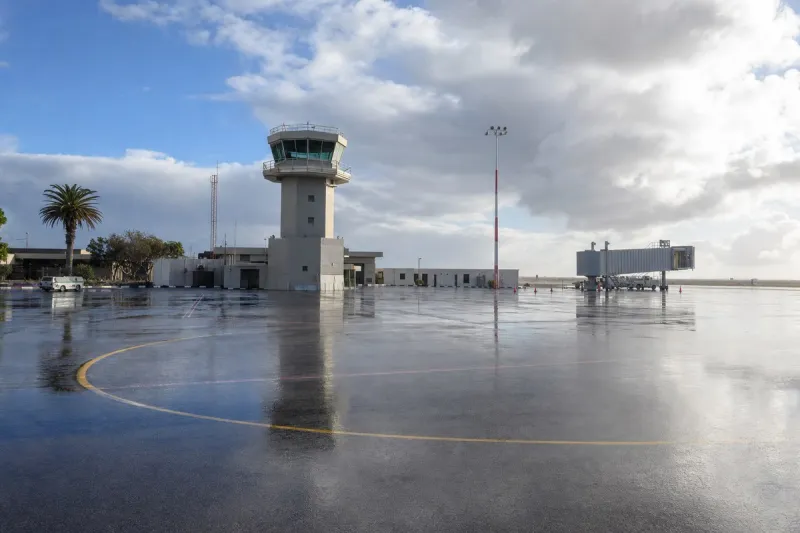
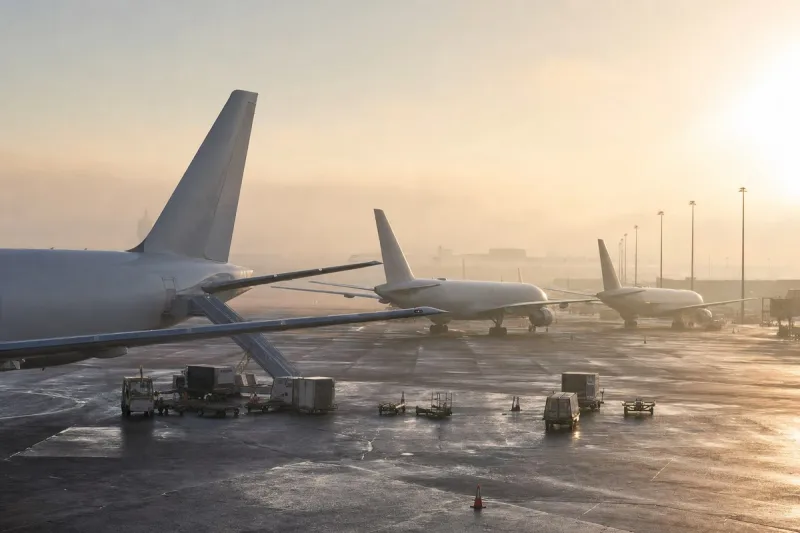
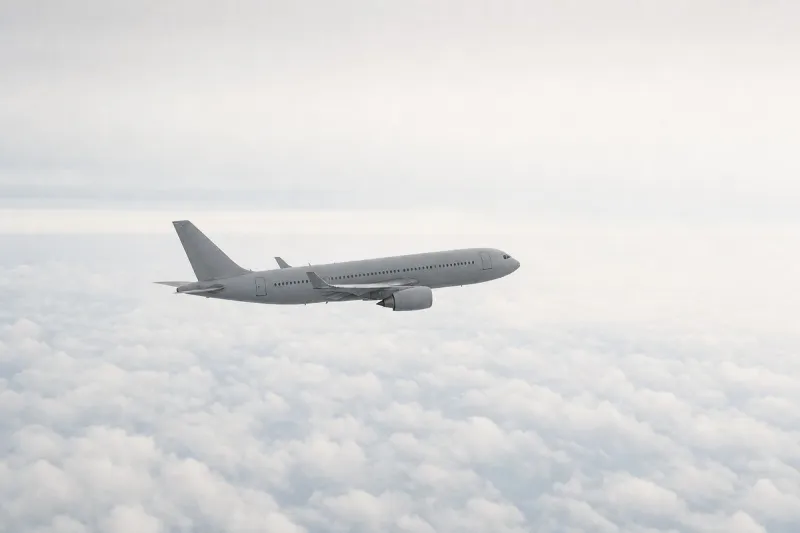
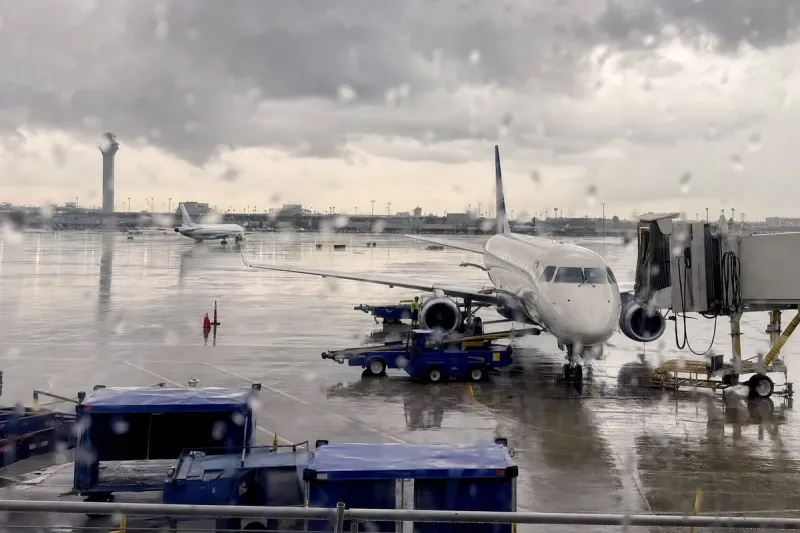
The Federal Aviation Administration issued ground stops for departures at both Chicago O'Hare International Airport and Chicago Midway International Airport early Thursday morning as heavy rain and thunderstorms moved through the Chicago area. The ground stop at Midway remained in effect through at least 8:45 a.m., while the one at O'Hare ended at 7:15 a.m.
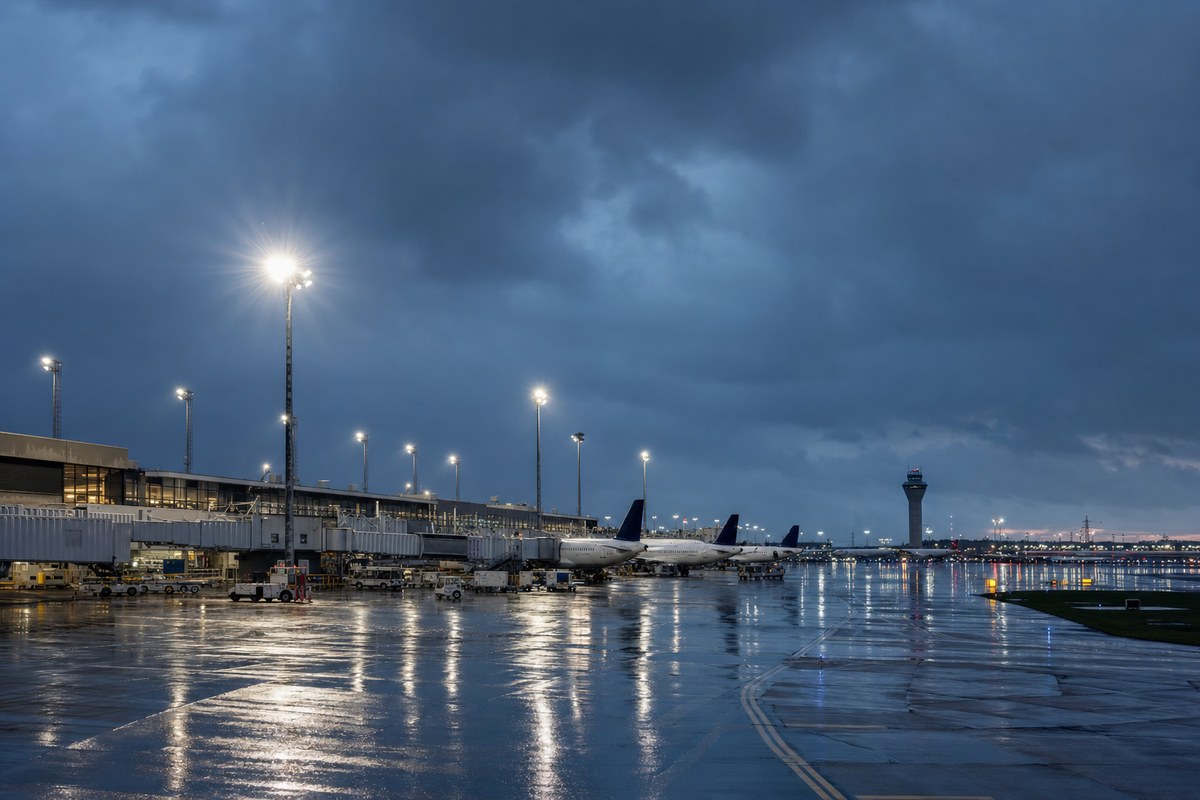
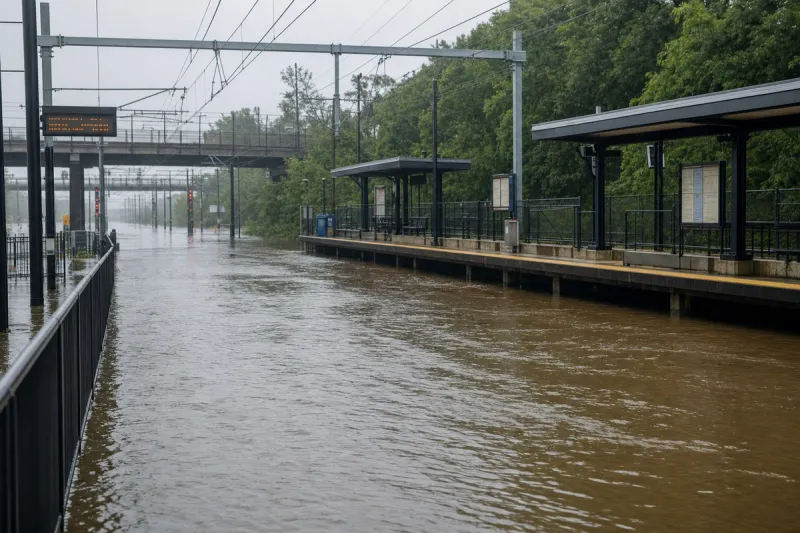
Average flight delay times of close to two hours were expected throughout the day at O'Hare. Nearly two inches of rain had been recorded at Midway airport as of 4:50 a.m. The National Weather Service warned that "torrential downpours" were possible, with the heaviest showers and thunderstorms expected north of Interstate 80, and issued a flood advisory for Kendall, northern Will, southern DuPage, south Cook, and northern Lake counties.
The storms were also causing crashes and major traffic delays across the Chicago area during the morning rush hour, with ponding reported on roads. Showers and storms were forecast to continue through the late morning before conditions dried out under mostly cloudy skies.
Industry impact & what to watch
Ground stops at two of the country's busiest airports illustrate how a single weather system moving through one metro area can simultaneously disrupt separate airfields serving overlapping traffic. Chicago's dual-hub geography means airlines and dispatchers have to manage O'Hare and Midway as a linked system during storms, since a stop at one often coincides with congestion or diversion pressure at the other.
Delay programs like these are how the air traffic system absorbs convective weather without compromising separation standards: departures are held on the ground rather than allowing aircraft to queue or divert in the air, which pushes the cost of the storm into scheduling rather than safety margins. The nearly two-hour average delay at O'Hare shows how a morning ground stop can compound into afternoon knock-on effects even after the stop itself is lifted.
Whether the disruption stays contained to Thursday will depend on how quickly the backlog of held departures clears once the ground stops end and whether additional storm cells move through the area later in the day.